

Quick Links
Community Mission
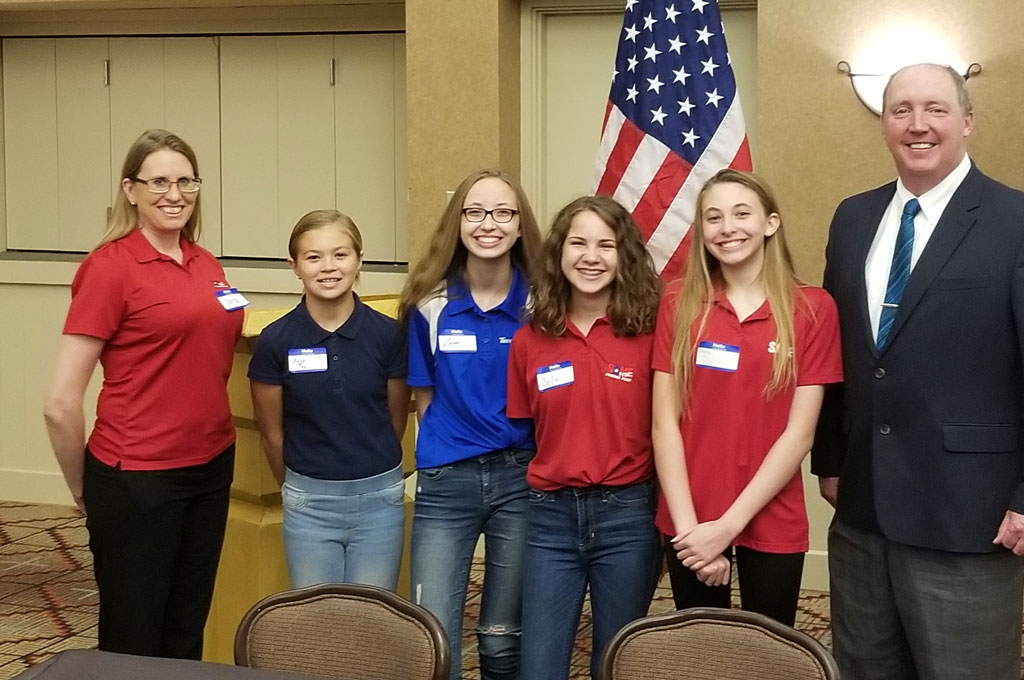
The K-12 STEM (Science, Technology, Engineering, and Mathematics) Outreach Community of Interest’s mission is to promote and support pathways to STEM degrees and STEM careers for K-12 students as part of the national strategic effort to produce more STEM professionals for the nation.
Join the SAME Engage K-12 STEM Outreach NetworkVision
The K-12 STEM Outreach Committee provides for the security of the nation by ensuring a robust STEM workforce.
Scope
K-12 students need to be exposed to STEM activities, degrees, and careers as they move up the academic ladder. The committee will work with the network of Posts, individual members, sustaining members, service branches, and strategic partners to increase opportunities for STEM exposure for K-12 students. The COI will also promote the Society’s STEM programming at local, regional, and national events, as resources allow.
Activities
- Categorize different examples of how the Post/individuals support K-12 STEM at the local level
- Identify and provide guest speakers/webinars on relevant topics
- Serve as a clearinghouse of STEM information
- Provide a calendar of STEM (SAME/Post and external) events and points of contacts
To learn more about the K-12 STEM Outreach Community of interest, contact a member of the Steering Committee, or reach out to Amy McGeever, STEM Coordinator.

Community Chair
Victoria Hernandez
Program Manager, AFCEC

Immediate Past Community Chair
Joshua Graham, P.E., PMP, F.SAME
Project Manager, HDR
Vice Chair, Strategic Alliance: Jeffrey Leonard, PE, CFPS, F.SAME
Vice Chair Programs: Lexi Lessaris
Vice Chairs, Communications and Outreach: Zayda Shavkatova and Roger Minyami
Vice Chair, Awards and Recognition: Traci Dewar
Upcoming National Webinars
-

- Webinar
Navigating the Federal Budget Cycle Under Persistent Continuing Resolutions
In an era where “standard” budget cycles have become the exception rather than the rule, federal agencies and contractors must understand the federal budget cycle and the limitations imposed by one Continuing Resolution (CR) after another. -

- Webinar
Successful Microgrid Projects for Dept. of War
This webinar shares practices which are proven to provide successful outcomes on Garrison (fixed) microgrid projects for the Department of Defense (Department of War). Based on real-world expertise, the presenter will discuss various perspectives including that of supplier, integrator, microgrid owner, and specifier. -

- Webinar
New Nuclear Power Market Overview
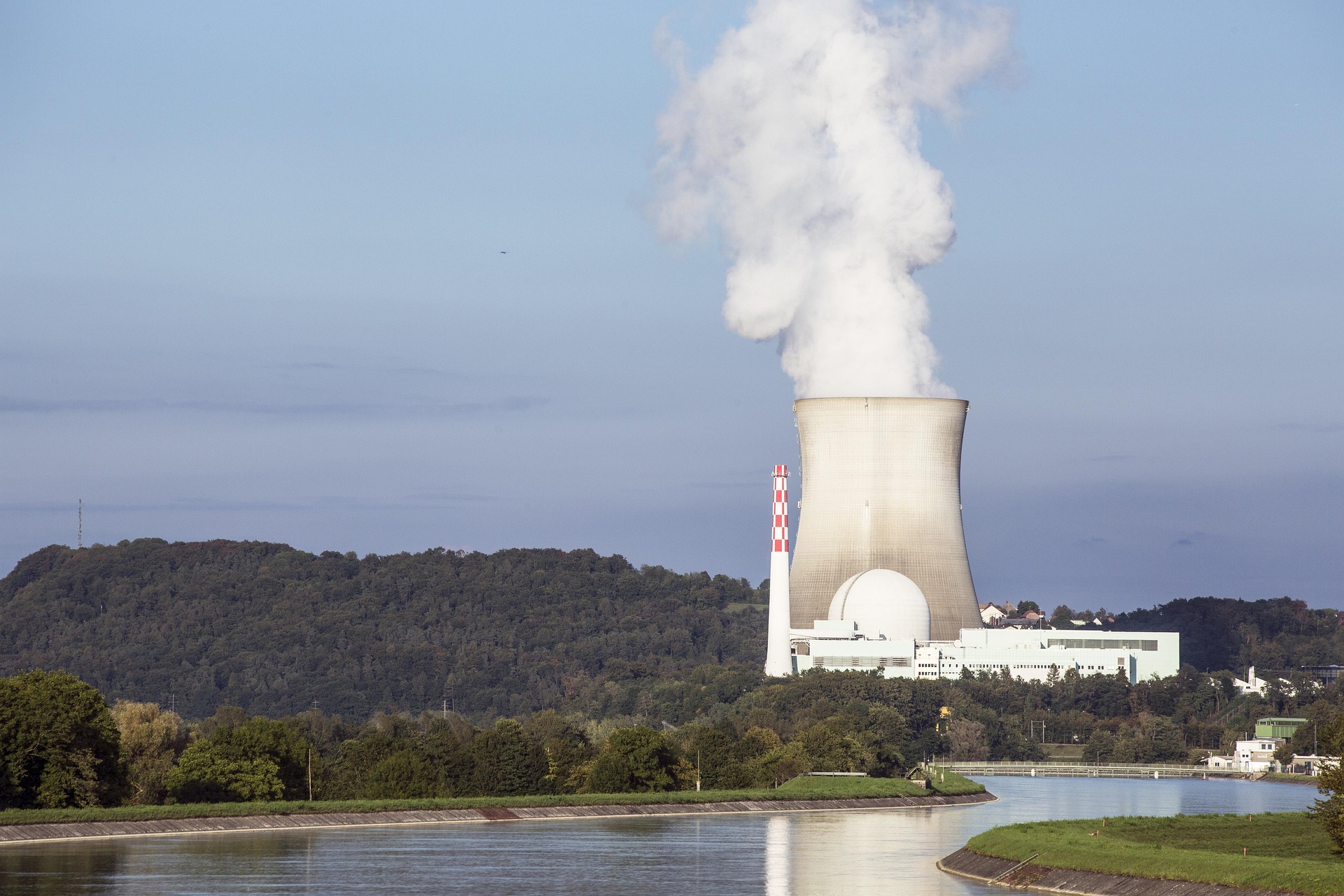
This webinar presents an overview of the new nuclear power market, including the leading technologies and their proposed applications. This in-depth discussion will span technological advances and overviews on the latest Generation 3+ Advanced Light Water Reactors, Generation 4 Non-Light Water Reactors, and Micro Reactor innovations.

Related TME Articles – K-12 STEM Outreach
-

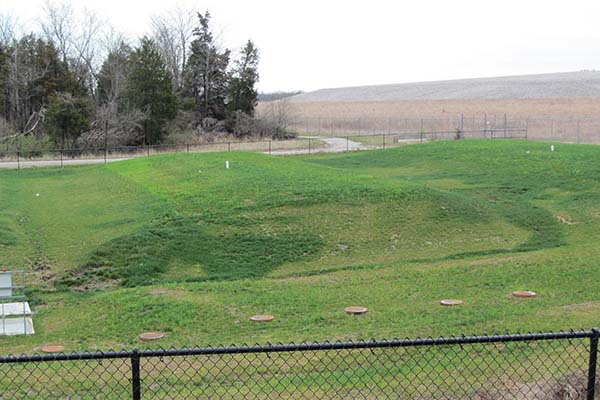
Measuring Success of an Onsite Wastewater System
The Louisville District of the U.S. Army Corps of Engineers played a critical role in designing an innovative septic mound system for the St. Charles Army Reserve Center, with recent evaluations indicating acceptable performance has been maintained years later. -
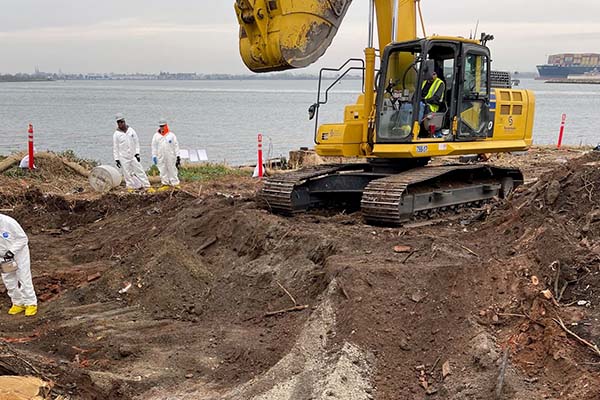
Identifying Contaminated Materials at Remediation Sites
Differentiating site-related wastes from naturally occurring or industrial background materials is critical for accurate remediation decisions and cost-effective cleanup. -
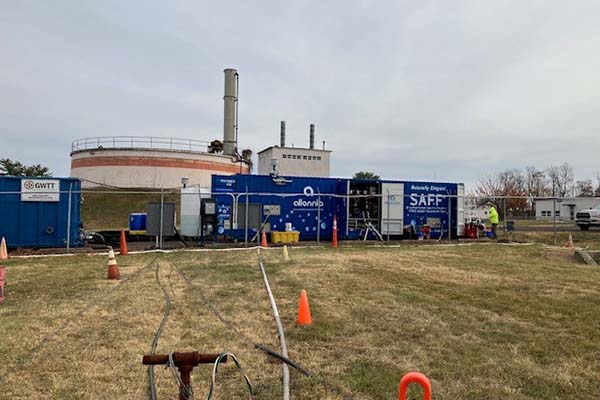
Complexities of PFAS Groundwater Interim Actions
With funding from the Environmental Security Technology Certification Program and oversight by the Defense Innovation Unit, a six-month groundwater treatment pilot study at Biddle ANGB revealed key insights into managing the challenges encountered in executing non-time critical removal actions concerning per- and polyfluoroalkyl substances. -
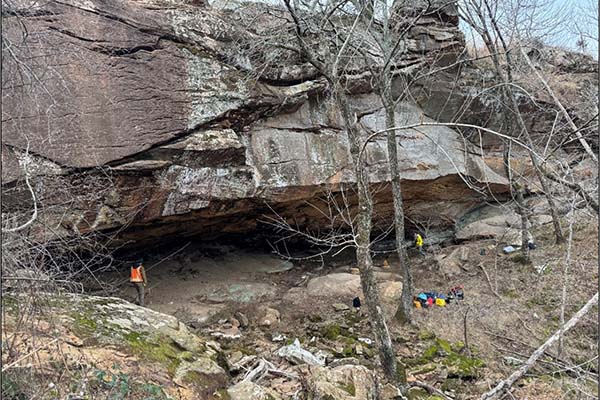
Leveraging 3D Scanning on Archaeological Sites
To better preserve an archaeological rockshelter in eastern Oklahoma on the Osage Nation, an environmental team turned to LiDAR and photogrammetry, conducting precise damage assessment and enabling long-term monitoring.