Building Futures with SkillBridge
By Lt. Col. Nick Pulire, M.SAME, USSF (Ret.), Capt. Joel Biamont, M.SAME, USAFR, and Master Sgt. Mike Oden, USAF (Ret.)
A program within the Defense Department allows businesses to engage servicemembers during their final 180 days of military service in preparation for their transition into the civilian world—delivering a mutually beneficial arrangement for both America’s veterans and participating organizations.
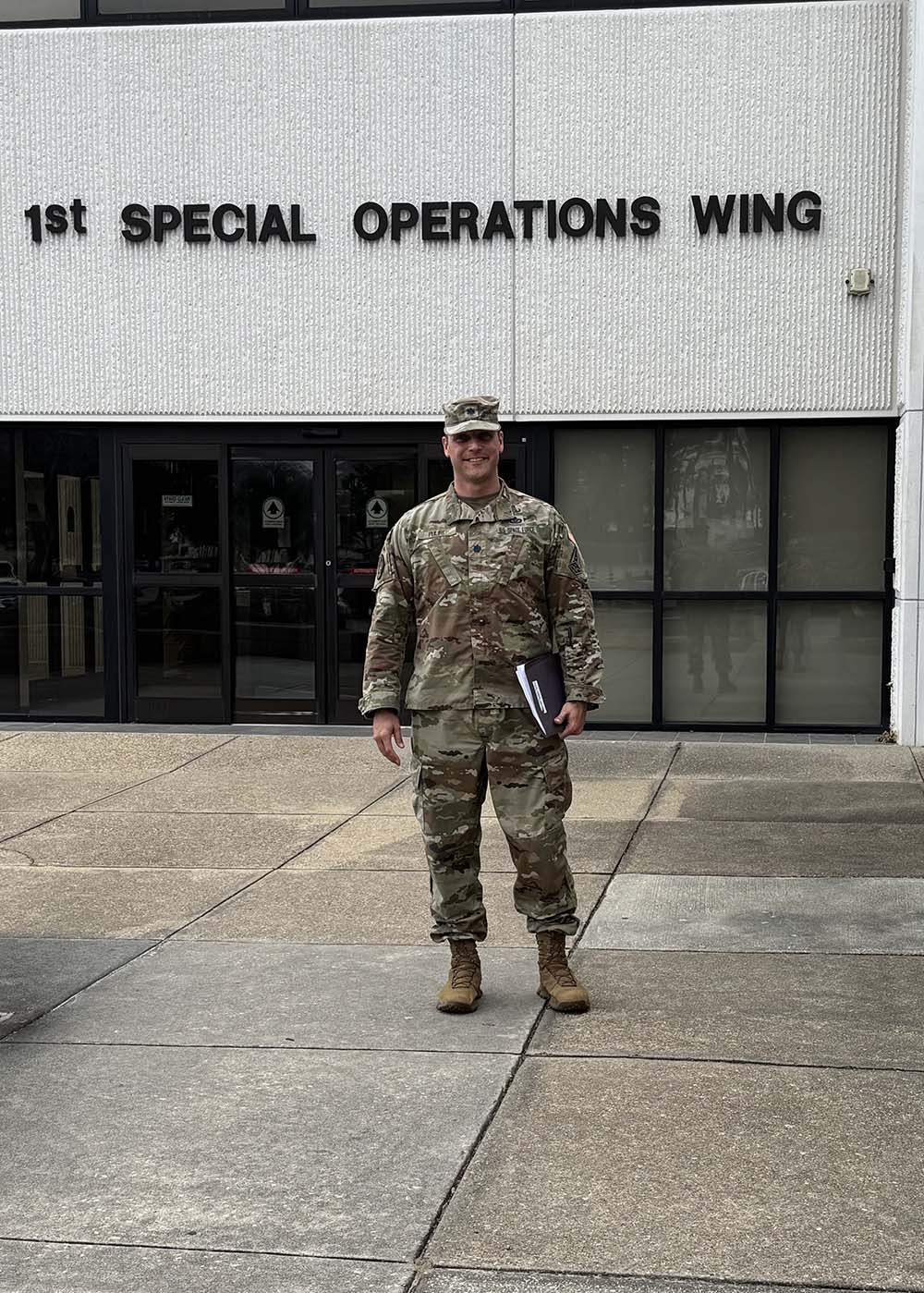
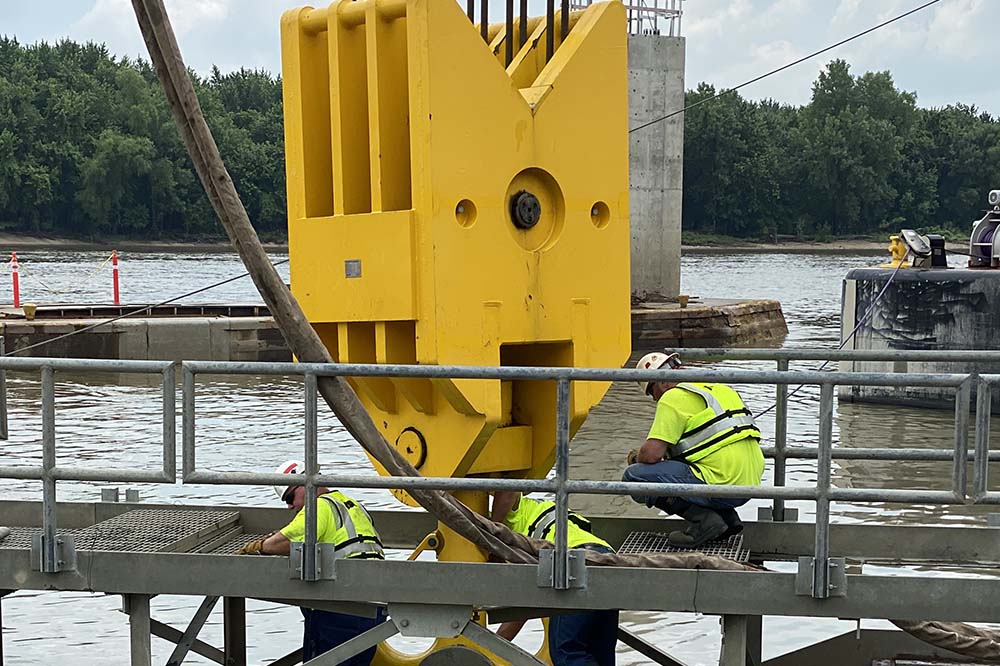
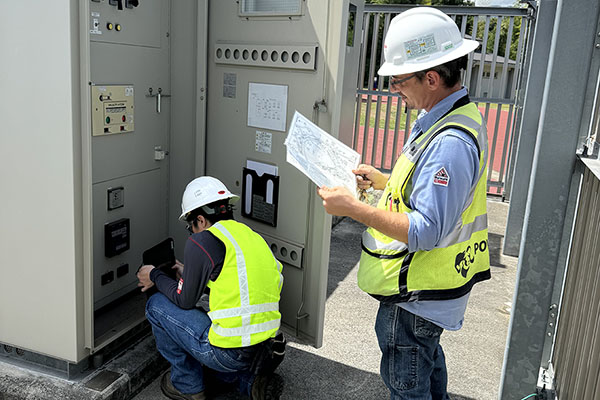
a built-in dedication to mission. Photo courtesy Matrix Design Group.
The military-to-civilian career transition presents unique challenges compared to moving across other professional sectors. How do you translate military experience into industry roles? Are you comfortable adapting to new workplace cultures? Do you want to try and replicate the service-mindset that drew you to the military in the first place?
SkillBridge, a program within the Defense Department founded in 2011, is designed to address these hurdles by creating an environment where participants gain hands-on experience, mentorship, and targeted training relevant to their career goals. SkillBridge also delivers significant value to participating businesses across the industrial base. The private sector companies that bring in the interns from the military gain access to world-class talent while the Department of Defense continues paying the salaries and benefits of participants through the program duration. This arrangement allows businesses to evaluate potential employees without a direct financial burden while gaining early access to professionals who carry extensive experience, proven skills, and strong work ethics.
Participants from the military often bring different communication styles, decision-making approaches, and work rhythms than their civilian counterparts. Companies that adapt onboarding and management practices, rather than expecting immediate assimilation, consistently achieve better outcomes and smoother integrations
Maximizing Impact
Several factors distinguish impactful SkillBridge opportunities. Success begins with leadership commitment. Treating the program as more than a corporate checkbox creates environments where both servicemembers and internal teams thrive. Dedicated resources, including assigned mentors and meaningful project assignments, are essential for valuable experiences.
Flexibility is equally important. Participants from the military often bring different communication styles, decision-making approaches, and work rhythms than their civilian counterparts. Companies that adapt onboarding and management practices, rather than expecting immediate assimilation, consistently achieve better outcomes and smoother integrations.
The effective influence of the program extends beyond just the period that a participant is involved. Whether they join the host company or individuals pursue other employment prospects, the most successful matches help build professional networks, refine resumes, practice interviewing skills, and build experience. This comprehensive approach benefits all stakeholders. Even departing participants become program ambassadors and potential future collaborators.
Industry-Wide Support
SkillBridge’s impact is amplified by organizations like the Society of American Military Engineers (SAME). Through a strategic plan that prioritizes workforce development, SAME supports transitioning servicemembers at the local and national levels through mentorship, networking opportunities, and job fairs. SAME’s Posts serve as geographic hubs connecting military engineers with employers and industry leaders, ensuring skills and leadership of servicemembers can continue to strengthen both defense and broader engineering sectors.
SAME’s Career Transition Workshop (CTW) offers targeted support and resources for military professionals entering the civilian workforce. The program includes presentations by peers who have previously transitioned, resume reviews, interview preparation, direct industry connections through networking activities and recruiter meetings, and an online training course leading up to the in-person event that provides an on-ramp for veterans. CTW and similar events from SAME and other organizations complement federal programs like SkillBridge—reinforcing mentorship and a professional development culture across the joint engineering community.
Uniting Communities
SkillBridge represents more than a career transition tool—it bridges two communities united by service, technical excellence, and shared mission focus. As the program matures and more engineering firms recognize its value, it may very well reshape how the industry accesses and develops talent while improving occupational outcomes for departing servicemembers.
While the program is aligned with many business sectors, for military engineers in particular it is valuable exposure given how closely industry firms work with installations and contracting agencies on projects. For engineering firms, the program provides access to pre-screened professionals with proven leadership and practical hands-on expertise. For the profession overall, SkillBridge ensures that military-gained knowledge and experience can continue strengthening the broader engineering community.
Success stories demonstrate that with proper structure, commitment, and support, SkillBridge can help transform what historically has been a challenging transition for many into strategic advantages they can leverage. As the engineering industry evolves to meet 21st century demands, programs bridging military and civilian expertise will grow in importance, helping secure critical infrastructure and future prosperity for our nation.
Lt. Col. Nick Pulire, M.SAME, USSF (Ret.), is Senior Consultant, Capt. Joel Biamont, M.SAME,  USAFR, is Government Consultant, and Master Sgt. Mike Oden, USAF (Ret.), is Assistant Facility Security Officer, Matrix Design Group Inc. They can be reached at nick.pulire@matrixdesigngroup.com; joel.biamonte@matrixdesigngroup.com; and mike.oden@matrixdesigngroup.com.

Col. Charlie Perham, F.SAME, USAF (Ret.), Matrix Design Group, contributed to this article.
Successes In Focus
While job placement is a primary value of SkillBridge, it is not the only benefit derived. Participants gain practical skills, industry knowledge, and mentorship in support of their immediate transitioning period as well as long-term career growth. At Matrix Design Group, for example, six participants have completed the program with a 100 percent transition success—half joining the company, and the other half securing successful roles elsewhere with full support and transition mentorship from the firm.
Master Sgt. Mike Oden, USAF (Ret.).
Master Sgt. Mike Oden, USAF (Ret.), transitioned from two decades spent in network operations and cybersecurity to a civilian role in industrial security and SCIFs. The internship through SkillBridge provided essential experience translating his military-honed skills (such as converting high-level objectives into actionable steps and navigating complex projects) to address real-world national security challenges. Mentorship from supervisors with military backgrounds and dedicated peer support meetings contributed to his successful transition.
Capt. Joel Biamont, USAFR
Capt. Joel Biamont, USAFR, leveraged his civil engineering background to bring project management, quality assurance, and stakeholder coordination to the civilian sector. The internship provided valuable exposure to private sector operations, from proposal development to client relationship management. While adjusting to the faster pace and profit-driven environment of the civilian sector posed challenges, supervisor and peer guidance facilitated the transition. Regular feedback and client-facing opportunities enhanced his ability to translate military technical skills into civilian business acumen.
Lt. Col. Nick Pulire, USSF (Ret.)
Lt. Col. Nick Pulire, USSF (Ret.), discovered that SkillBridge’s mission-focused approach matched perfectly with his military background and values. The transition felt natural because he found himself working alongside familiar, team-oriented colleagues who emphasized collaboration. The supportive environment of the program provided him with the mentorship and resources he needed to navigate the initial challenges of learning new skills. This guidance helped him build confidence and practical expertise, preparing him to compete effectively in the civilian workforce.
Published in the September-October 2025 issue of The Military Engineer
Check Out Related Articles From TME
-

Innovative PFAS Remediation at Camp Grayling
For project stakeholders and remediation managers confronted with PFAS, Regenesis demonstrates the efficacy of using Regenesis’ PlumeStop® colloidal activated carbon (CAC) at Camp Grayling, Michigan. -
A Standardized Approach to Aircraft Fire Training Infrastructure
To support enterprise-wide airmen readiness, the U.S. Air Force is modernizing its standard design for aircraft fire training facilities—introducing digital controls, dual-fuel systems, and PFAS-conscious infrastructure. -
Delivering Energetic Materials Manufacturing Facilities
Designing and constructing facilities that manufacture, process, handle, or store explosives and energetic materials present some of the most challenging defense projects—requiring technical experience, strict safety protocols, and a comprehensive understanding of regulatory frameworks. -
Forging Tradition and Innovation: A New Design Standard at Camp Lejeune
The II MEF Headquarters at Camp Lejeune blends Georgian Revival architecture with modern sustainability—delivering durability, efficiency, and precision that meets contemporary functional requirements while honoring heritage. -

Balancing Efficiency and Fiscal Responsibility
The continuing contracts clause offers the U.S. Army Corps of Engineers a way to improve project delivery and enhance fiscal responsibility by aligning funding with project execution. -
Next Steps for Digital Twin Development
U.S. Forces Japan is laying the groundwork for future integration of digital twin technology in order to validate and collect data that will offer comprehensive insights into utility conditions at installations and enhance overall decision-making, efficiency, and resilience.