Grounded by Uncertainty: The Adverse Effects of Continuing Resolutions
By Brandon Toliver, Ph.D., P.E., M.SAME
Continuing resolutions create compounding delays in modernization, training, and procurement for the U.S. Air Force—hindering long-term planning, operational capabilities, and overall readiness, as well as posing significant threats to national security and the ability to maintain air superiority and respond to crises.
In recent years, the U.S. Air Force has faced significant challenges that threaten its operational efficacy and strategic readiness. At the forefront of these are Congressional continuing resolutions (CRs), which are temporary funding authorizations that extend the previous fiscal year appropriations. While these measures are intended to ensure continuity in government funding, they inadvertently create a climate of uncertainty and delay, significantly hindering the military’s ability to modernize, train, and maintain readiness.
Historically, CRs and lapses in appropriations have created inefficiencies and management challenges across federal agencies, as seen in reports from the Government Accountability Office.
Instances in 2009 and 2014 highlight both reduced services and increased costs linked to CRs and government shutdowns. Delays in hiring, contracting, and funding allocations have led to increased workloads and diminished productivity within government agencies, further underscoring the importance of stable funding frameworks. The issue of temporary funding is not just a new concern: over a nearly 20-year period from 1998 to 2016, the government averaged 5.8 CRs a year; election years appear to compound the challenge and war-time periods are not unscathed either, with multiple CRs every year from 2001 to 2009 and eight in fiscal year 2011 alone, according to published reports.
Both legislative and agency actions can help mitigate these risks, but the path forward must begin with a commitment to timely and predictable budgetary processes—and a clear understanding of the cascading consequences.
In a recent address to Congress, Secretary of the Air Force Frank Kendall vocally expressed concerns regarding the detrimental impact of CRs, asserting that they restrict the Department of the Air Force’s ability to initiate new programs and invest in necessary upgrades. He emphasized that the uncertainty created by these resolutions complicates long-term planning and budgeting, and ultimately jeopardizes the Air Force’s capacity to fulfill its strategic commitments.
With the assumed understanding that the assurance of stable and predictable funding is crucial for maintaining air superiority and rapid crisis response, it is imperative that Congress prioritize timely budget approvals to allow for necessary investments and innovations within the Air Force. The ability to fly, fight, and win depends on it.

Detrimental Impacts
CRs often freeze spending at the previous year’s levels, which severely impacts readiness and training by often pausing the implementation of new programs and essential maintenance. This leads to delays in critical exercises and potential safety issues. CRs also disrupt modernization and acquisition efforts, delaying the procurement of new aircraft, weapons, and equipment, which compromises the Air Force’s ability to stay ahead in the technological race with great power rivals. The inability to award new projects or fulfill existing contracts due to CRs introduces financial penalties and strains relationships with defense contractors. In the near term, this affects strategic partnerships; over the long run it can diminish acquisition competition and atrophy the industrial base.
The reliance on CRs for funding poses significant threats, particularly in the context of today’s geopolitical environment. For the Air Force, Great Power Competition involves maintaining and enhancing technological superiority, readiness, and operational capabilities to deter and counter the actions of these rival powers. The instability and uncertainty caused by CRs in the budgeting process result in long-term detrimental effects on air and space capabilities, potentially leading to operational failures and compromised national security.
Modernization and Procurement. On the short list of immediate effects from CRs is the delay in modernization and procurement processes. When funding is locked at previous year levels, the Air Force cannot initiate new programs or purchase critical equipment. This stagnation hampers the acquisition of advanced aircraft and essential technology upgrades necessary for maintaining air superiority.
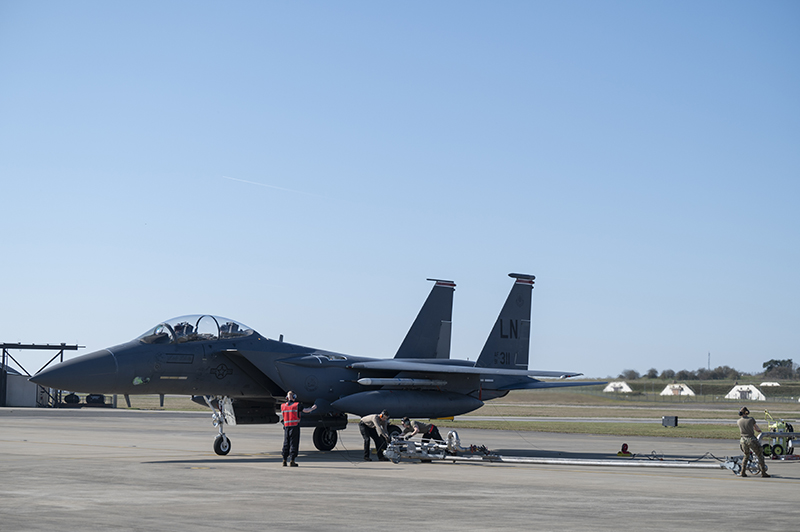
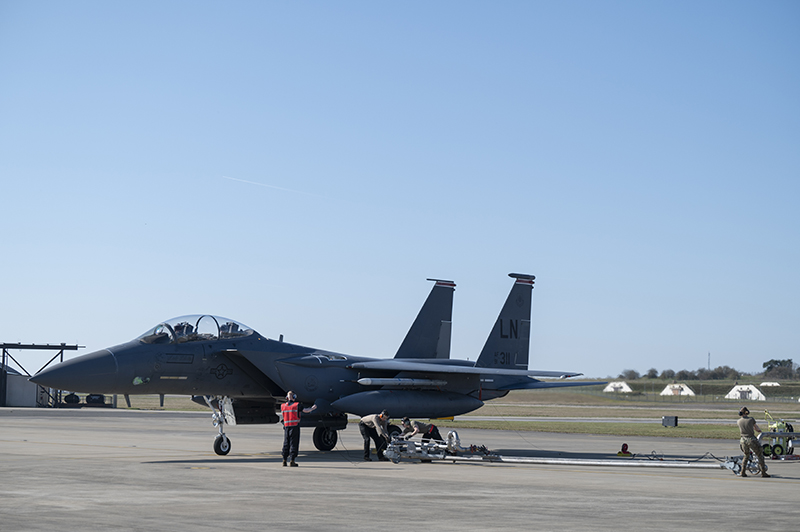
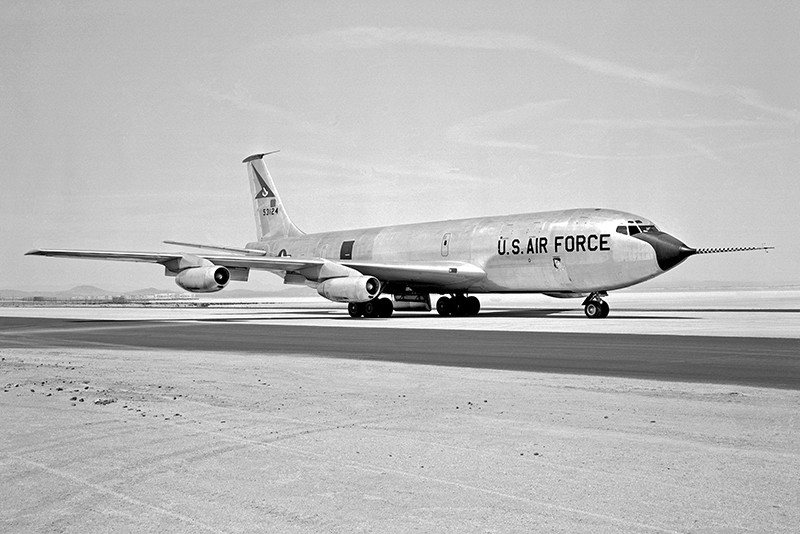
Moreover, the continued reliance on aging equipment exacerbates operational inefficiencies. For instance, relying on older aircraft like the KC-135 tanker or F-15 fighter leads to escalating maintenance costs, which can compromise operational safety of airmen. As these obsolete systems are utilized longer than intended, constraints on modernization impede mission capabilities, preventing the service from adapting to evolving threats.
The uncertainty surrounding budget availability complicates long-term planning. Air Force leaders, grappling with funding limitations, often find themselves forced to prioritize near-term fixes over strategic investments. This short-sighted focus has long-range repercussions, as the failure to implement cohesive plans can lead to increased costs over time.
Training and Operations. Budget uncertainties stemming from CRs significantly impact training and operational capabilities. With funding limited, the Air Force is often forced to reduce training hours, which affects the ability of pilots and maintenance crew to refine their skills. Diminished flight time can result in pilots losing their combat readiness, which ultimately lowers proficiency in complex missions essential for successful operations. To compound the issue, funding constraints often lead to the cancellation of large-scale joint exercises with international allies. These training opportunities are critical for preparing airmen to operate alongside coalition partners. Their cancellation undermines the Air Force’s readiness and ability to coordinate effectively during crises in all parts of the globe.
Maintenance and Sustainment. Maintenance of aircraft and base infrastructure suffers under the constraints imposed by CRs. Funding limitations lead to vital maintenance tasks being deferred, increasing risks of failure and escalating costs for aircraft, vehicles, and facilities. The growing backlog for depot maintenance means that aircraft spend longer periods out of service, further diminishing operational capacity and placing additional strain on the service’s overall readiness.
Disruptions to Long-Term Planning. The uncertainty surrounding budget availability complicates long-term planning. Air Force leaders, grappling with funding limitations, often find themselves forced to prioritize near-term fixes over strategic investments. This short-sighted focus has long-range repercussions, as the failure to implement cohesive plans can lead to increased costs over time. Delayed upgrades and maintenance ultimately require more significant investments when funding is finally available.
Cost Increases Due to Funding Gaps. Inefficiencies stemming from CRs extend to finances, where the Air Force frequently encounters rising costs due to funding gaps. Delays in contracting processes, along with the need to restart programs after CRs, lead to administrative and logistical burdens, and escalate operational expenditures. Projects like the procurement of the F-35 and modern weapons systems are often stalled; this results in diminished readiness today as well as cost increases that exacerbate budget strains over the long term.
Recruitment and Retention
It is not just facility investments, power projection, and systems maintenance that are affected by unstable funding assurances. The personnel dimension also faces risks under prolonged CR conditions. Recruitment delays and retention challenges arise from uncertainties surrounding funding. These can be even harder to reignite.
Critical specialty fields like cyber operations and aircraft maintenance are overwhelmingly impacted. Interruptions to readiness-related programs such as professional military education result in a less capable force, undermining leadership development vital for an adaptable military. Additionally, CRs can impact pay raises and benefits, which can trigger decreased morale and retention rates—both concerning factors during heightened competition with global powers.
Reduced Operational Readiness. The cumulative effects of funding delays and operational challenges lead to a significant decline in operational readiness. Restrictions on flight hours diminish pilot proficiency and limit responsive capabilities to emergencies and strategic deployments in high-priority regions. As a result, the Air Force would struggle to project power and support allied operations effectively. A constrained budget forces the Air Force to operate reactively rather than proactively, compromising its readiness in a rapidly changing geopolitical landscape.
Base Infrastructure and Facilities Maintenance. Inadequate funding under CRs affects base infrastructure by delaying crucial repairs and pushing back upgrades to essential facilities. This deterioration can lead to higher operational costs as building efficiency declines. Safety becomes a concern as well. Investments needed for energy security and resilience frequently remain unfunded, which can leave installations ill-prepared against natural disasters or man-made attacks. This further impairs readiness.
Maintaining Readiness
CRs represent a profound challenge for the Air Force. They establish a cycle of inefficiency that undermines mission readiness. Delays in modernization, reduced training opportunities, personnel disruptions, and failing infrastructure collectively hinder the Air Force’s ability to conduct its strategic commitments effectively.
As the landscape of global competition continues to evolves, stable and predictable funding is crucial for maintaining air superiority and rapid crisis response.
Failing to prioritize timely budget approvals not only threatens immediate operational capabilities but also places the long-term national security of the United States at risk. The urgency for change has never been more evident—and recognizing the detrimental impacts of CRs is a vital step in ensuring the readiness and efficacy of the Air Force, now and into the future.
Brandon Toliver, Ph.D., P.E., M.SAME, is Installation Resiliency Action Officer, AF/A4CPS, HQ Air Force Installation Resiliency, Installation Strategy & Plans Division, Installation Planning Branch; brandon.toliver@us.af.mil.
Published in the May-June 2025 issue of The Military Engineer
Check Out Related Articles From TME
-

Innovative PFAS Remediation at Camp Grayling
For project stakeholders and remediation managers confronted with PFAS, Regenesis demonstrates the efficacy of using Regenesis’ PlumeStop® colloidal activated carbon (CAC) at Camp Grayling, Michigan. -
A Standardized Approach to Aircraft Fire Training Infrastructure
To support enterprise-wide airmen readiness, the U.S. Air Force is modernizing its standard design for aircraft fire training facilities—introducing digital controls, dual-fuel systems, and PFAS-conscious infrastructure. -
Delivering Energetic Materials Manufacturing Facilities
Designing and constructing facilities that manufacture, process, handle, or store explosives and energetic materials present some of the most challenging defense projects—requiring technical experience, strict safety protocols, and a comprehensive understanding of regulatory frameworks. -
Forging Tradition and Innovation: A New Design Standard at Camp Lejeune
The II MEF Headquarters at Camp Lejeune blends Georgian Revival architecture with modern sustainability—delivering durability, efficiency, and precision that meets contemporary functional requirements while honoring heritage. -

Balancing Efficiency and Fiscal Responsibility
The continuing contracts clause offers the U.S. Army Corps of Engineers a way to improve project delivery and enhance fiscal responsibility by aligning funding with project execution. -
Next Steps for Digital Twin Development
U.S. Forces Japan is laying the groundwork for future integration of digital twin technology in order to validate and collect data that will offer comprehensive insights into utility conditions at installations and enhance overall decision-making, efficiency, and resilience.