Leveraging Waste as an Energy Force Multiplier
By Dave Robau, CEM, LEED AP, M.SAME, Emily Carlisle, M.SAME, and Norman Campbell, CEM, F.SAME
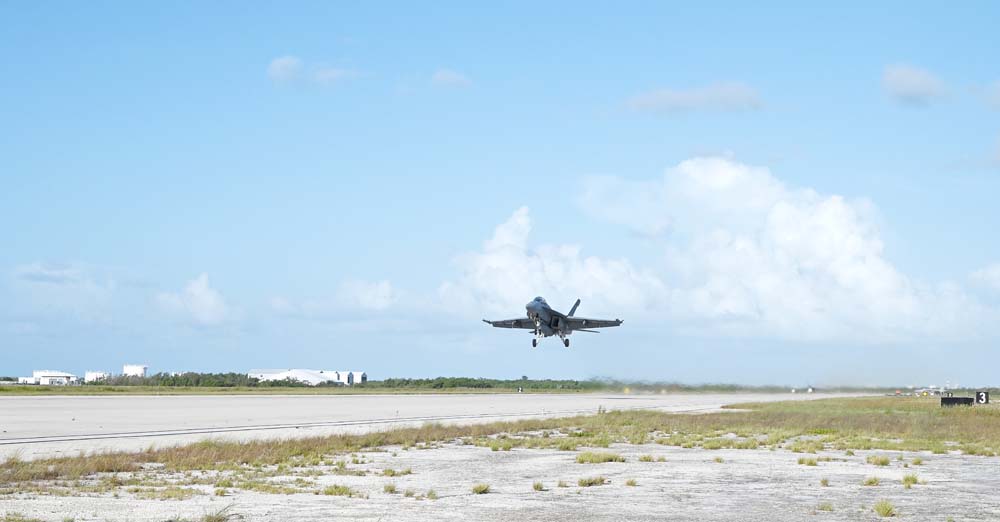
Isolated from the mainland and operating at the edge of the power grid, Naval Air Station Key West is evaluating a waste‑to‑energy microgrid that would convert local refuse into on‑site, dispatchable power.
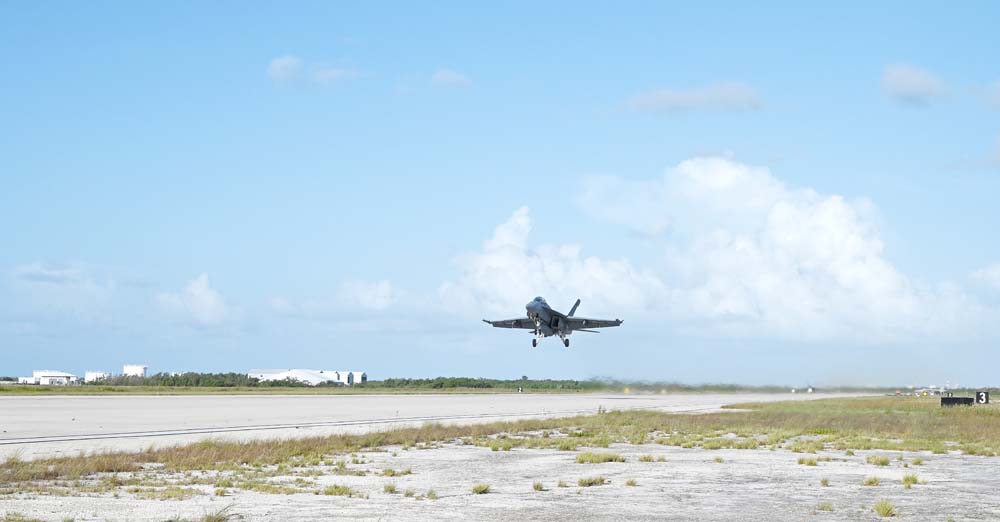
Unlike intermittent sources like solar or wind, this technology provides a dispatchable energy source derived from locally available feedstocks, turning waste liabilities into valuable energy assets.
Located on the farthest edge of the State of Florida at the most southern point within the Continental United States, Naval Air Station (NAS) Key West operates on the extreme end of the nation’s power grid. That isolation, while a necessary trade-off of having military capability in a geographically advantageous position, does also impact U.S. Navy readiness. NAS Key West depends on a single transmission line that stretches over 100-mi through the Florida Keys. That reliance leaves it vulnerable to weather, salt air corrosion, and infrastructure degradation. These conditions routinely affect power quality and reliability, placing critical operations and force protection systems at risk.
While NAS Key West maintains both centralized and distributed diesel backup power, restoring full mission capability after a grid outage requires extensive switching, coordination, and generator deployment. These add time, fuel costs, and operational risk.
Diesel-fueled generators remain useful for short-term backup during emergencies or power outages. High fuel costs and low efficiency make them prohibitively expensive for continuous baseload operation. Because using diesel generators costs as much as five times more than grid power, dependence on generators brings an inherent risk to the mission.
The isolated location of NAS Key West creates logistical hurdles and financial impacts for waste management. Municipal solid waste and sewage waste must be hauled more than 400-mi round trip to the mainland for disposal, increasing both costs and environmental impact.
To address the energy capability and waste management concerns, NAS Key West, supported by Navy Region Southeast, is evaluating a waste-powered energy microgrid solution. This approach converts waste streams into engineered fuel that directly supports on-site power production.
Enabling Resilience
For military installations and other campus-like communities, microgrid distribution and control systems are a reliable alternative when optimizations are required for higher-level grids or supply costs. With a grid-connected operation, microgrids enable dependable energy from innovative generation sources at high-peak and low-peak times.
This solution enables mission continuity, energy security, and sustainable operations, even under contested or degraded grid conditions. Using an “energy as a service” business model, the Navy can take advantage of energy resilience with minimal or no capital investment required of the government. This arrangement improves energy security by designing, financing, and operating modern energy systems through third-party capital.
Under energy as a service at Key West, industry partner National Energy would manage system performance and maintenance and assume all lifecycle risk. The utility ensures uninterrupted power without burdening the installation’s budget.
Powering Sustainably
A waste-powered energy microgrid transforms municipal solid waste, biomass, and other organic/cellulosic residues into on-demand, baseload renewable power. Unlike intermittent sources like solar or wind, this technology provides a dispatchable energy source derived from locally available feedstocks, turning waste liabilities into valuable energy assets.
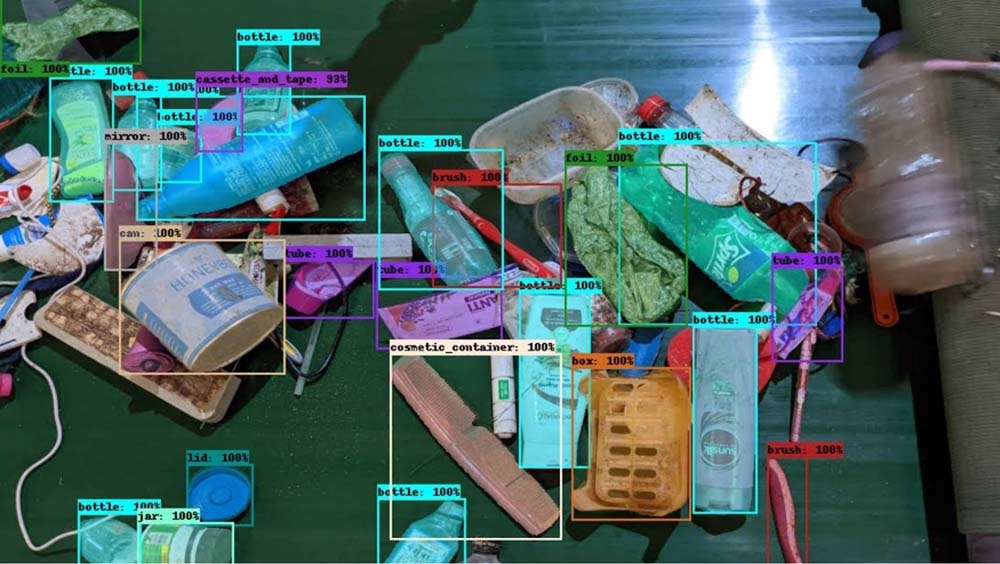
The dual-use technology combines two innovative solutions to process solid waste destined for the landfill and convert the organic fraction into an engineered fuel used for on-demand power generation. The system, which uses recent advances in artificial intelligence and optical sensors, consists of a front-end process that extracts recyclable commodities and isolates organic waste, and a back-end power generation system. It deploys machine-learning robots that identify and separate valuable recyclables from the incoming municipal solid waste stream. The organic materials then are processed into a clean, renewable solid fuel. Certified by the Environmental Protection Agency as a “non-hazardous secondary fuel,” the output is versatile in application. Uses range from thermal energy, electricity and biogas to hydrogen and sustainable aviation fuel.
Multitude Of Benefits
Across the Defense Department, the need for reliable, on-demand power has never been more urgent. As installations face mounting challenges from grid vulnerabilities, aging infrastructure, and global fuel supply disruptions, a transformative solution is emerging: generating baseload power directly from the waste military bases already produce.
The waste-powered energy microgrid represents a paradigm shift in how installations can manage onsite resources (such as waste), produce energy, and promote energy security. By converting municipal solid waste, organics, and biomass into clean, dispatchable electricity, installations can transform what was once a liability into a continuous energy resource that supports mission assurance and environmental stewardship.
The advantages are clear. Foremost is energy security. Traditional grid dependency leaves military bases exposed to outages, cyber threats, and fuel logistics constraints. A waste-powered energy microgrid allows for islanding from the main grid and sustain 24/7 baseload power. During crises, natural disasters, cyber incidents, or wartime disruptions, bases equipped with a waste-powered energy microgrid can maintain power to critical systems, including airfield operations, communications, data centers, and command-and-control nodes.
Second, increasing energy assurance enhances mission readiness and warfighter resilience. Having reliable power can ensure that training, maintenance, and operational tempo remain uninterrupted. At the same time, managing waste on-site eliminates the need for off-base transport for disposal; this reduces exposure to risks often associated with logistics in contested environments.
Third, the environmental and economic benefits of using a waste-powered energy microgrid reinforces overarching sustainability goals. By converting waste into energy, installations reduce landfill dependency and cut methane emissions.
Lastly, and this is emerging as a very timely advantage given renewed U.S. investment in this sector, by integrating advanced recycling and robotic sorting, critical materials are returned to the domestic supply chain. This reprocessing strengthens national security and reinforces the American industrial base while reducing foreign dependence on raw materials.
Ultimately, the waste-powered energy microgrid is more than a technology—it is a force multiplier. The system turns waste streams into mission assurance, enhances operational autonomy, and directly empowers the warfighter, delivering high-energy density for mission-critical resilience.
Digital Twin Design
Utilizing state-of-the-art microgrid controls, protection, and distribution systems, the waste-powered energy microgrid is based on a digital twin design, to model interactions and operation of the system with the existing distribution network. This enables the customer and owner/operator to see exactly how the system will operate and which components are required to meet the current use case.
In addition, the digital twin remains for the life of the installation, which allows for operational data input and the ability to adjust for future scope or operational conditions. The integrated nature of the electric distribution and control system, coupled with energy management software, means the energy generation system can meet connected load and ensure continuous electrical supply.
The digital twin concept has proven successful in the design and operation of the largest microgrid at a defense facility to date. In planning for the microgrid at NAS Guantanamo Bay, Cuba, for instance, the digital twin modeled renewable assets, prime generation liquified natural gas turbines, batteries, and backup generators. As a result, the microgrid control system can operate and balance the supply and loads to provide enhanced resilience for the base to meet its national security mission.
Future installation changes are already being modeled in the digital twin. These will assist architecture and engineering firms in providing a design that minimizes risks, brackets costs, and provides accurate operational performance.
Dual-Benefit Solution
Both the City of Key West and the naval base can benefit greatly from the waste-to-energy investment. For the city, it can achieve increased landfill diversion rates of up to 90 percent, cost reduction associated with waste hauling, and sustainable waste management practices. The ability to scale operation for growing and unplanned waste production, such as that generated from extreme weather events, could provide further benefits.
Throughout this effort, National Energy will analyze the potential to convert solid waste produced on the island into electricity and thermal energy using advanced thermochemical or biological processes. The evaluation will include the integration of microgrid infrastructure to support base operations, reduce diesel generator reliance, and enhance energy resilience. By converting waste into baseload power, NAS Key West has the potential to transform a saddling liability into a strategic asset.
Dave Robau, CEM, LEED AP, M.SAME, is Chief Executive Officer, and Emily Carlisle, M.SAME, is Environmental Scientist, National Energy USA. They can be reached at
daver@nationalenergyusa.com; and emily@nationalenergyusa.com.

Norman Campbell, CEM, F.SAME, is Federal Business Development Manager, Siemens Infrastructure Federal; norman.campbell@siemens.com.
Published in the March-April 2026 issue of The Military Engineer

Check Out Related Articles From TME
-

Innovative PFAS Remediation at Camp Grayling
For project stakeholders and remediation managers confronted with PFAS, Regenesis demonstrates the efficacy of using Regenesis’ PlumeStop® colloidal activated carbon (CAC) at Camp Grayling, Michigan. -
A Standardized Approach to Aircraft Fire Training Infrastructure
To support enterprise-wide airmen readiness, the U.S. Air Force is modernizing its standard design for aircraft fire training facilities—introducing digital controls, dual-fuel systems, and PFAS-conscious infrastructure. -
Delivering Energetic Materials Manufacturing Facilities
Designing and constructing facilities that manufacture, process, handle, or store explosives and energetic materials present some of the most challenging defense projects—requiring technical experience, strict safety protocols, and a comprehensive understanding of regulatory frameworks. -
Forging Tradition and Innovation: A New Design Standard at Camp Lejeune
The II MEF Headquarters at Camp Lejeune blends Georgian Revival architecture with modern sustainability—delivering durability, efficiency, and precision that meets contemporary functional requirements while honoring heritage. -

Balancing Efficiency and Fiscal Responsibility
The continuing contracts clause offers the U.S. Army Corps of Engineers a way to improve project delivery and enhance fiscal responsibility by aligning funding with project execution. -
Next Steps for Digital Twin Development
U.S. Forces Japan is laying the groundwork for future integration of digital twin technology in order to validate and collect data that will offer comprehensive insights into utility conditions at installations and enhance overall decision-making, efficiency, and resilience.