
Quick Links
Community Mission
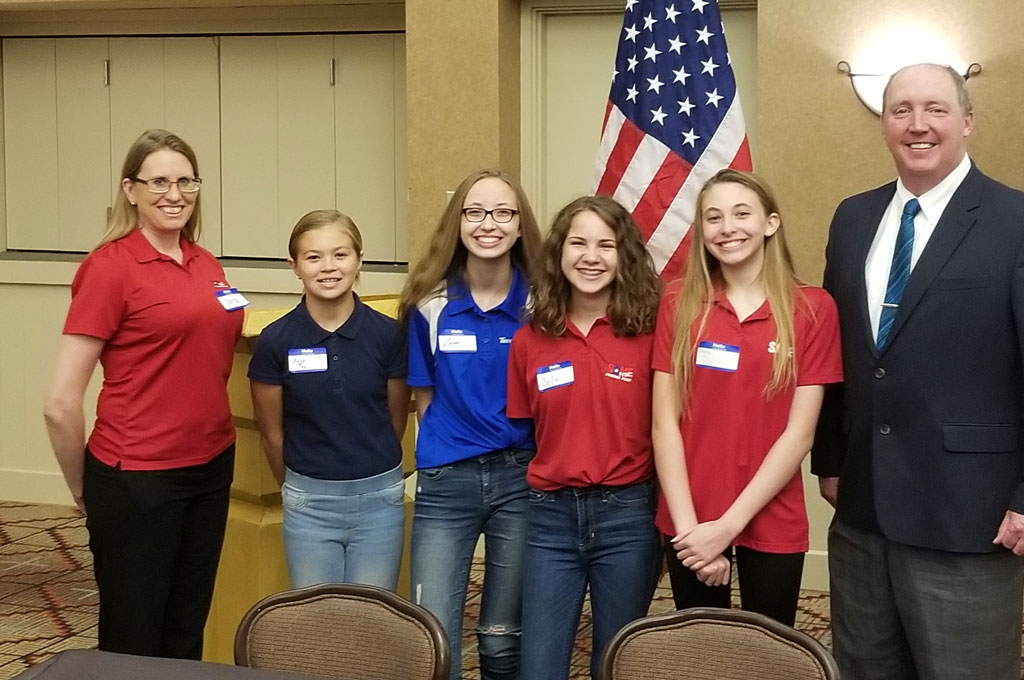
The K-12 STEM (Science, Technology, Engineering, and Mathematics) Outreach Community of Interest’s mission is to promote and support pathways to STEM degrees and STEM careers for K-12 students as part of the national strategic effort to produce more STEM professionals for the nation.
Join the SAME Engage K-12 STEM Outreach NetworkVision
The K-12 STEM Outreach Committee provides for the security of the nation by ensuring a robust STEM workforce.
Scope
K-12 students need to be exposed to STEM activities, degrees, and careers as they move up the academic ladder. The committee will work with the network of Posts, individual members, sustaining members, service branches, and strategic partners to increase opportunities for STEM exposure for K-12 students. The COI will also promote the Society’s STEM programming at local, regional, and national events, as resources allow.
Activities
- Categorize different examples of how the Post/individuals support K-12 STEM at the local level
- Identify and provide guest speakers/webinars on relevant topics
- Serve as a clearinghouse of STEM information
- Provide a calendar of STEM (SAME/Post and external) events and points of contacts
To learn more about the K-12 STEM Outreach Community of interest, contact a member of the Steering Committee, or reach out to Amy McGeever, STEM Coordinator.

Community Chair
Victoria Hernandez
Program Manager, AFCEC
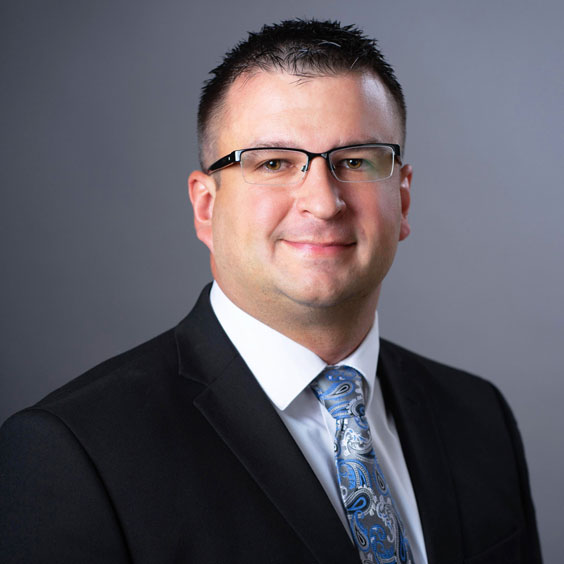
Immediate Past Community Chair
Joshua Graham, P.E., PMP, F.SAME
Project Manager, HDR
Vice Chair, Strategic Alliance: Jeffrey Leonard, PE, CFPS, F.SAME
Vice Chair Programs: Lexi Lessaris
Vice Chairs, Communications and Outreach: Zayda Shavkatova and Roger Minyami
Vice Chair, Awards and Recognition: Traci Dewar
Upcoming National Webinars
-

- Webinar
Solving Complex CVOC Problems with ISTR– Field Proven Approaches
This webinar will first discuss the unique aspects of performance-based designs when considering procurement of thermal remediation services. Next, we will discuss how to evaluate criteria when selecting performance objectives, i.e., “ how do you define success?” -

- Webinar
The National Spatial Reference System: Modernizing Our Geodetic Foundation for the Future
The National Geodetic Survey (NGS), within the National Oceanic and Atmospheric Administration (NOAA), is in the process of making the critical transition from the current National Spatial Reference System (NSRS) to the upcoming, modernized (2022) system. -

- Webinar
Navigating the FAR Overhaul from a Business Leader’s Perspective
Join us for the final webinar in our series on the FAR overhaul and its impacts on businesses in the A/E/C industry. We are excited to offer a panel discussion on the FAR overhaul with seasoned representatives from small and large businesses. -

- Webinar
CMMC Level 2: What A/E Firms Must Know Before November
Starting November 10, 2026, the Department of Defense will require CMMC Level 2 certification for contractors handling Controlled Unclassified Information (CUI). Unlike prior self-attestation requirements, this mandate requires verification by an accredited third-party assessor before a firm can be awarded or retain applicable DoD contracts.


Related TME Articles – K-12 STEM Outreach
-

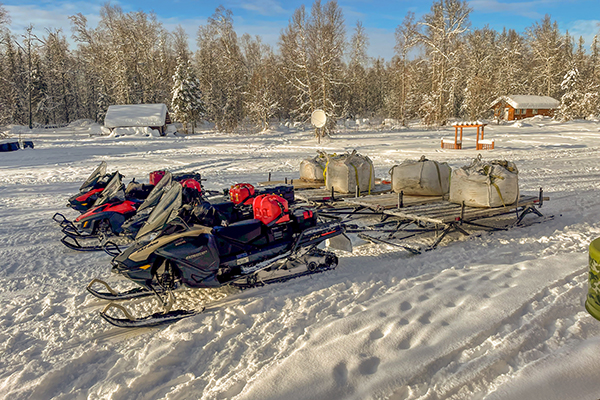
Big Job, Small Solutions: Completing a Complex Remediation in Remote Alaska
At a remote federal remediation site in south-central Alaska, inaccessible by road, barge, or large planes, leveraging the local community and a fleet of snowmobiles and small watercraft allowed for 1,100 bags of contaminated soil to be transported for offsite disposal. -
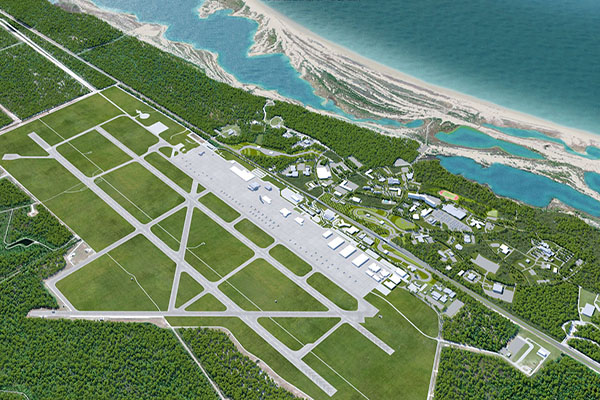
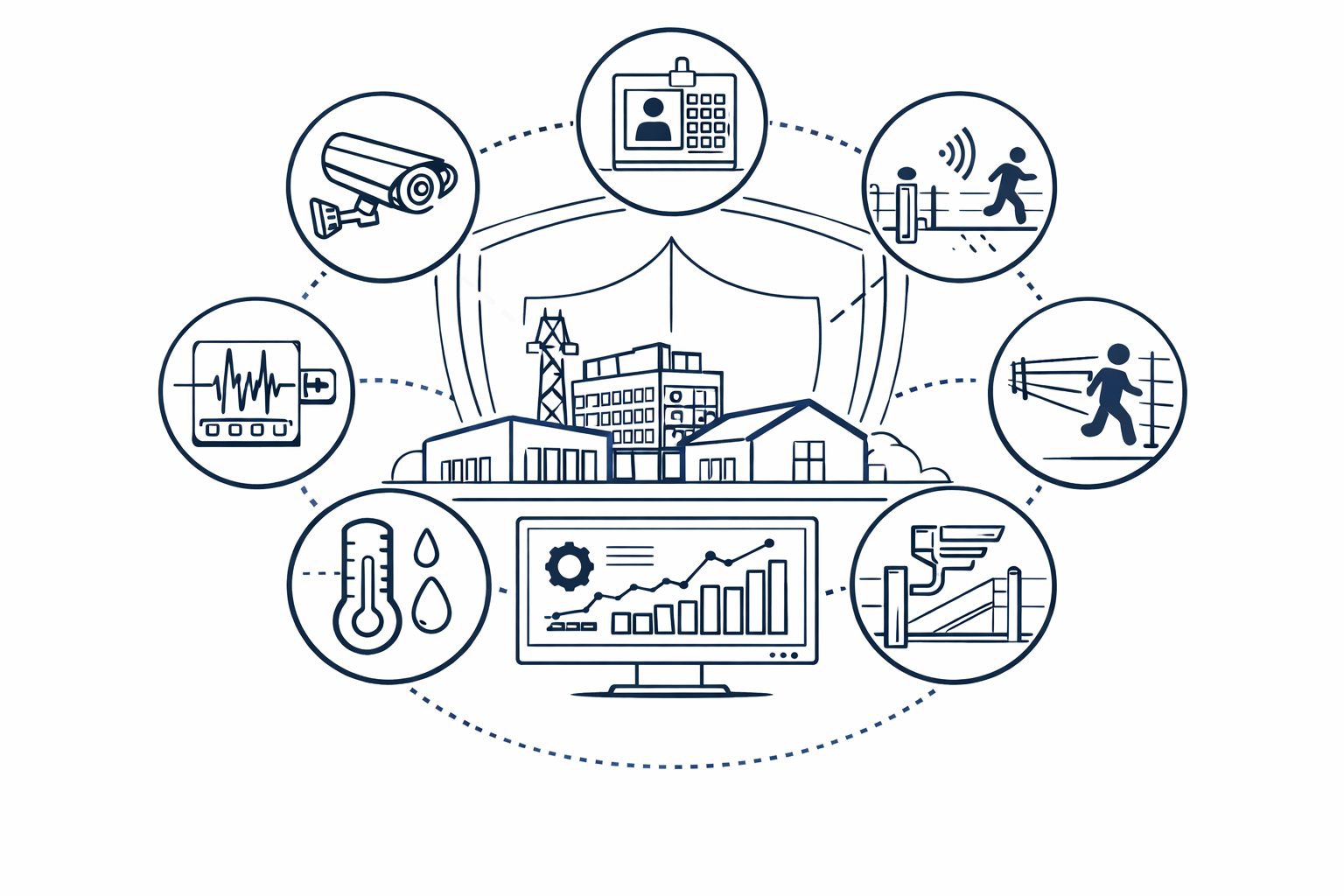
Beyond the Wire: A Holistic Approach to Security Engineering
Innovation Theater presented by Jacobs. Conventional security engineering is shaped by practical, real-world demands. However, the traditional concept of military security is evolving. Amid a changing landscape, security engineering must embrace a holistic approach that delivers solutions for military bases inside and outside “the wire.” -
Tracking Top A-E/Contracting Topics
A pair of recent reports detailing top-of-mind concerns for government contracting and architecture-engineering firms highlight areas of shared interest in the federal sector. -
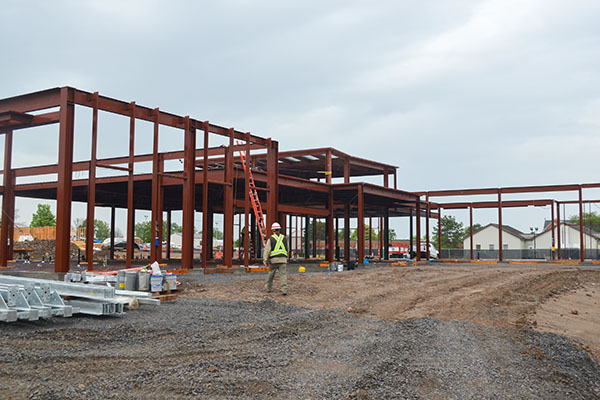
Designing for the Unforeseeable
In the challenge of designing military buildings to resist progressive collapse, a revised technical approach offers a simplified way to arrive at a dependable estimate of material needed, potentially increasing cost controls on government projects.