Community Mission
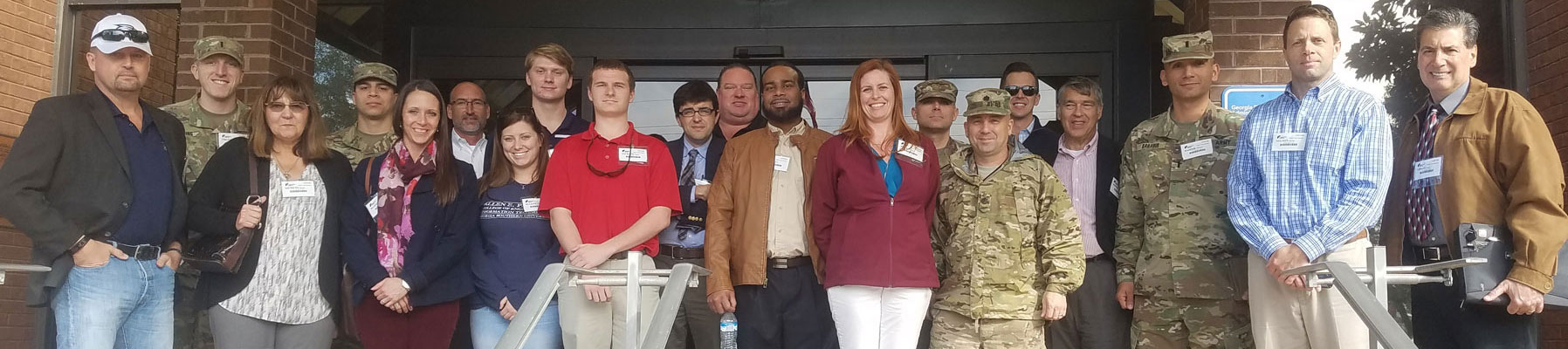
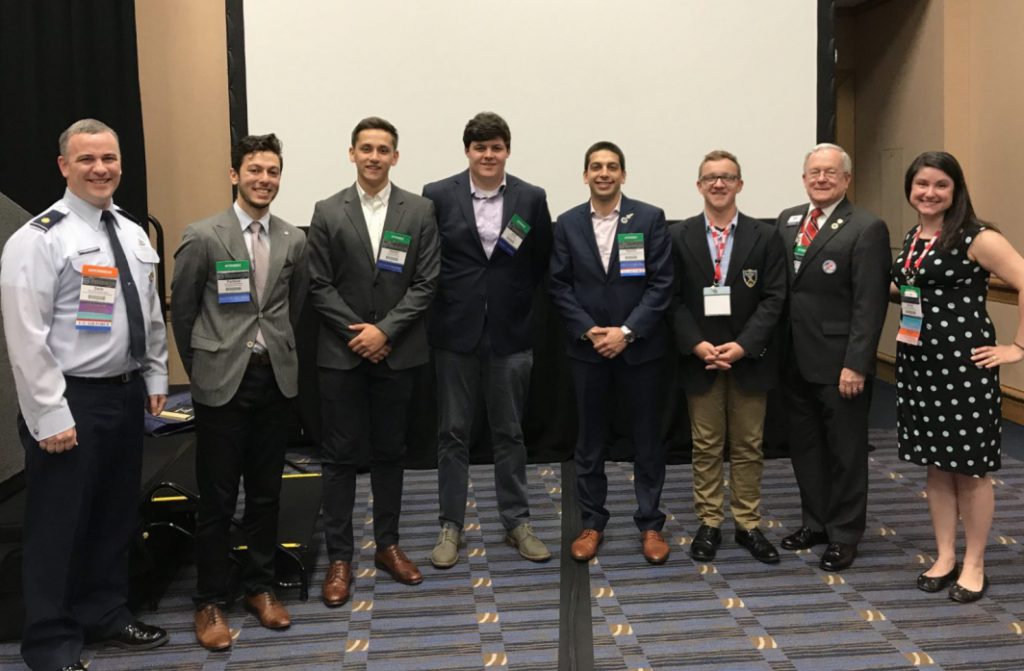
The College Outreach Community leads collaborative efforts between SAME and academia to identify and resolve national security infrastructure-related challenges and supports Post’s efforts to mentor and develop future STEM professionals at the collegiate-level. The community serves as a bridge between academia, Posts, government (military and civilian), and the private sector. The community provides guidance to the network of student chapters across the Society, promotes internship opportunities from SAME sustaining members, and will establish a new engineering competition for students designed to address the nation’s grand challenges.
Overview
The SAME College Outreach Community strives to organize programs and present opportunities to future military and civilian members of the A/E/C profession that will foster networking within their professional community, build leadership skills, and provide job opportunities to recent graduates. Additionally, students with an active membership within SAME have at their disposal a wealth of knowledge and experiences from professionals throughout the A/E/C community of practice.
Executive Community Structure
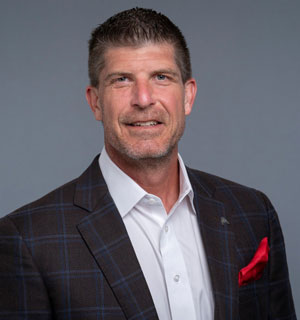
Vice Chairs
Danielle Hughes, Communications
Jeffrey Allen, Academia Engagement
Staff Liaison
Sarah Feighery, Program Manager
2026 SAME Undergraduate Innovation Design Challenge
Submissions for the 2025-26 SAME Undergraduate Innovation Design Challenge are due by February 6, 2026. This competition, led by the College Outreach COI, evaluates design projects that are being developed by student members as part of their degree curriculums and highlights the innovative thinking of the next generation of STEM professionals.
Learn more about the Innovation Design ChallengeUpcoming National Webinars
-

- Webinar
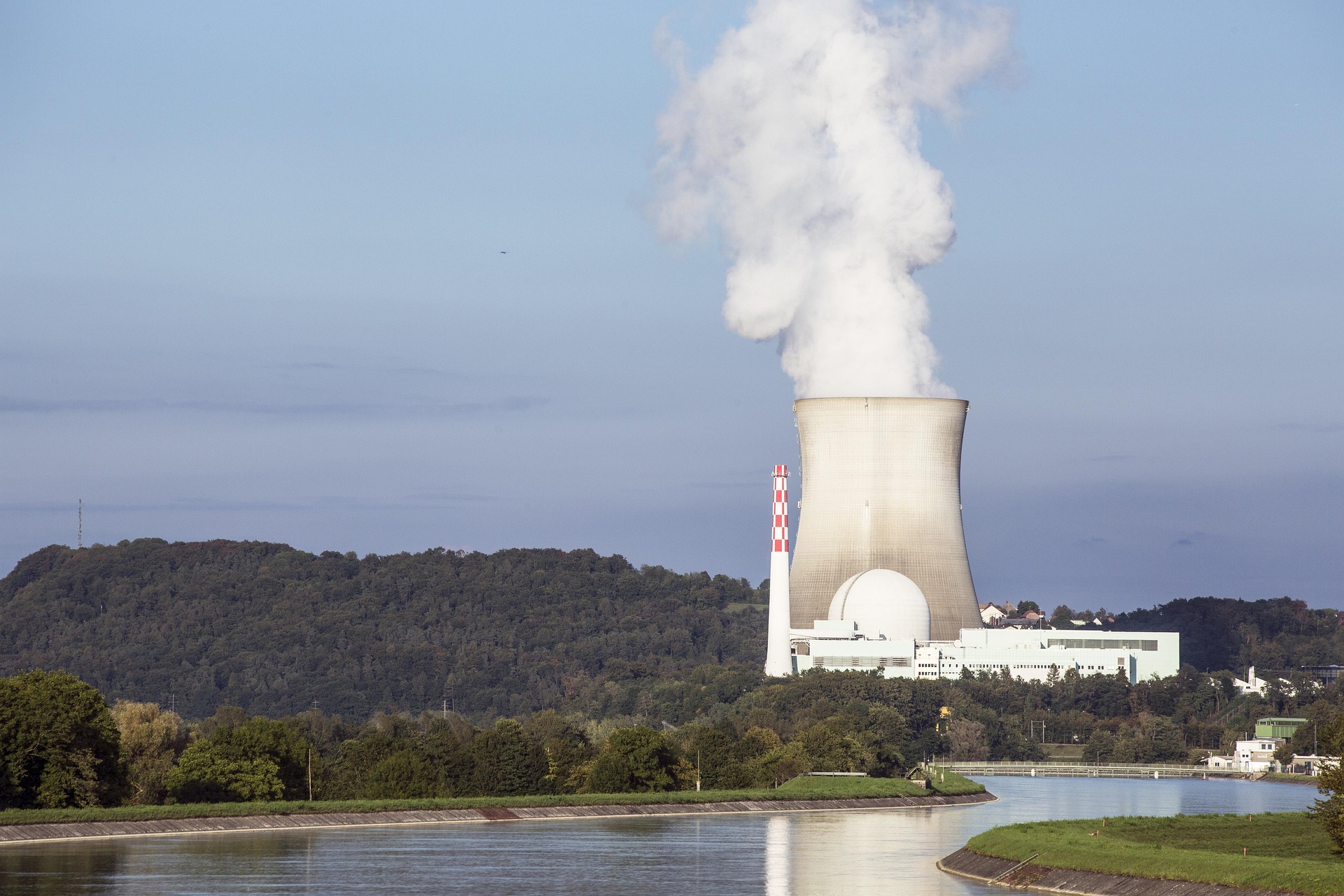
New Nuclear Power Market Overview
This webinar presents an overview of the new nuclear power market, including the leading technologies and their proposed applications. This in-depth discussion will span technological advances and overviews on the latest Generation 3+ Advanced Light Water Reactors, Generation 4 Non-Light Water Reactors, and Micro Reactor innovations. -

- Webinar
Solving Complex CVOC Problems with ISTR– Field Proven Approaches
This webinar will first discuss the unique aspects of performance-based designs when considering procurement of thermal remediation services. Next, we will discuss how to evaluate criteria when selecting performance objectives, i.e., “ how do you define success?” -

- Webinar
The National Spatial Reference System: Modernizing Our Geodetic Foundation for the Future
The National Geodetic Survey (NGS), within the National Oceanic and Atmospheric Administration (NOAA), is in the process of making the critical transition from the current National Spatial Reference System (NSRS) to the upcoming, modernized (2022) system.
Related TME Articles – College Outreach
-

Modernizing Dry Dock No. 1 at Naval Base San Diego
A recent project to modernize Dry Dock No. 1 at Naval Base San Diego will allow the facility to service modern vessel types while increasing its reliability for decades. -
Streamlining Federal Construction with Alternative Delivery Methods
Alternative delivery methods offering early involvement of the construction contractor during design offer a valuable tool to help address cost and schedule overruns in federal projects, increase collaboration, and grow the number of companies willing to bid. -

Designing and Constructing Secure Spaces at China Lake
As part of the earthquake recovery program at Naval Air Weapons Station China Lake, nearly 300,000-ft2 of secure space must be constructed, requiring an integrated team of government owners, stakeholders, and industry members. -
Using Modified ECI to Achieve Mission Success
In fast-tracking a design-build renovation of three barracks at Fort Liberty (to promptly address a mold infestation), utilizing modified early contractor involvement allowed the project to be successfully completed within a year.