
Quick Links
Community Mission
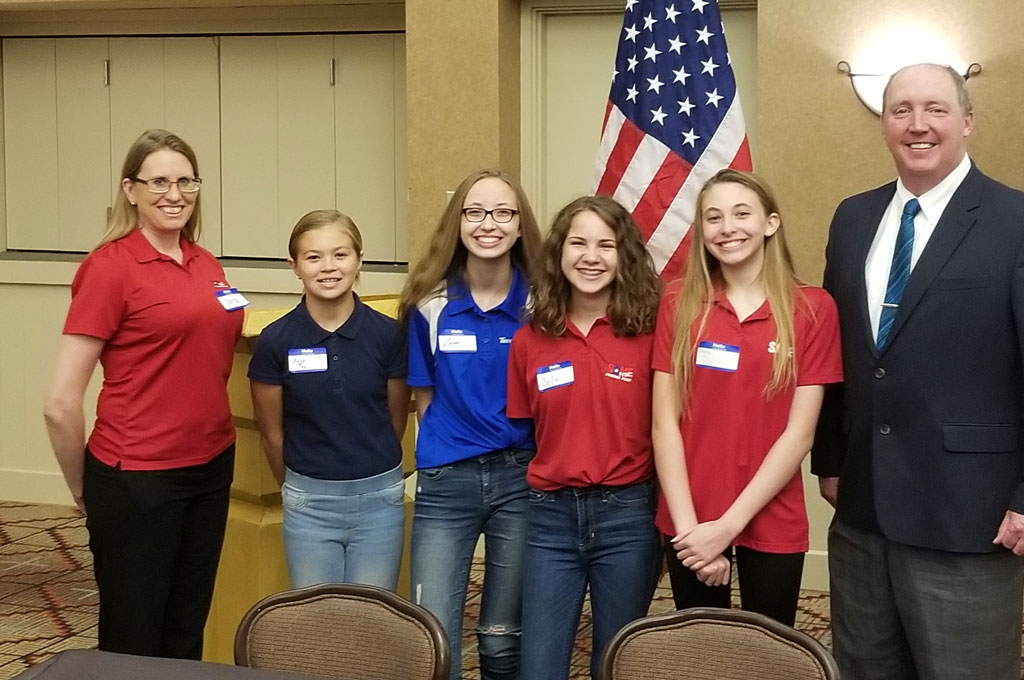
The K-12 STEM (Science, Technology, Engineering, and Mathematics) Outreach Community of Interest’s mission is to promote and support pathways to STEM degrees and STEM careers for K-12 students as part of the national strategic effort to produce more STEM professionals for the nation.
Join the SAME Engage K-12 STEM Outreach NetworkVision
The K-12 STEM Outreach Committee provides for the security of the nation by ensuring a robust STEM workforce.
Scope
K-12 students need to be exposed to STEM activities, degrees, and careers as they move up the academic ladder. The committee will work with the network of Posts, individual members, sustaining members, service branches, and strategic partners to increase opportunities for STEM exposure for K-12 students. The COI will also promote the Society’s STEM programming at local, regional, and national events, as resources allow.
Activities
- Categorize different examples of how the Post/individuals support K-12 STEM at the local level
- Identify and provide guest speakers/webinars on relevant topics
- Serve as a clearinghouse of STEM information
- Provide a calendar of STEM (SAME/Post and external) events and points of contacts
To learn more about the K-12 STEM Outreach Community of interest, contact a member of the Steering Committee, or reach out to Sarah Feighery, STEM Coordinator.

Community Chair
Victoria Hernandez
Program Manager, AFCEC

Immediate Past Community Chair
Joshua Graham, P.E., PMP, F.SAME
Project Manager, HDR
Vice Chair, Strategic Alliance: Jeffrey Leonard, PE, CFPS, F.SAME
Vice Chair Programs: Lexi Lessaris
Vice Chairs, Communications and Outreach: Zayda Shavkatova and Roger Minyami
Vice Chair, Awards and Recognition: Traci Dewar
Upcoming National Webinars
-

- Webinar
Progressive Design Build: A New Delivery Method Now Available
Progressive Design Build – New NDAA language. This webinar will help explain the fundamental shift in federal construction delivery and clarify the meaning and application of qualifications-based selection processes for construction. Our expert presenters will address what this model means to acquisition teams and how industry evaluates and responds to these opportunities. -

- Webinar
CMMC Pause: Compliance and Contract Risk Continue
The recent pause in CMMC Phase II delays the expansion of mandatory third-party assessments, but it does not eliminate applicable CMMC or underlying cybersecurity obligations, Phase I self-assessment requirements remain in force. -

- Webinar
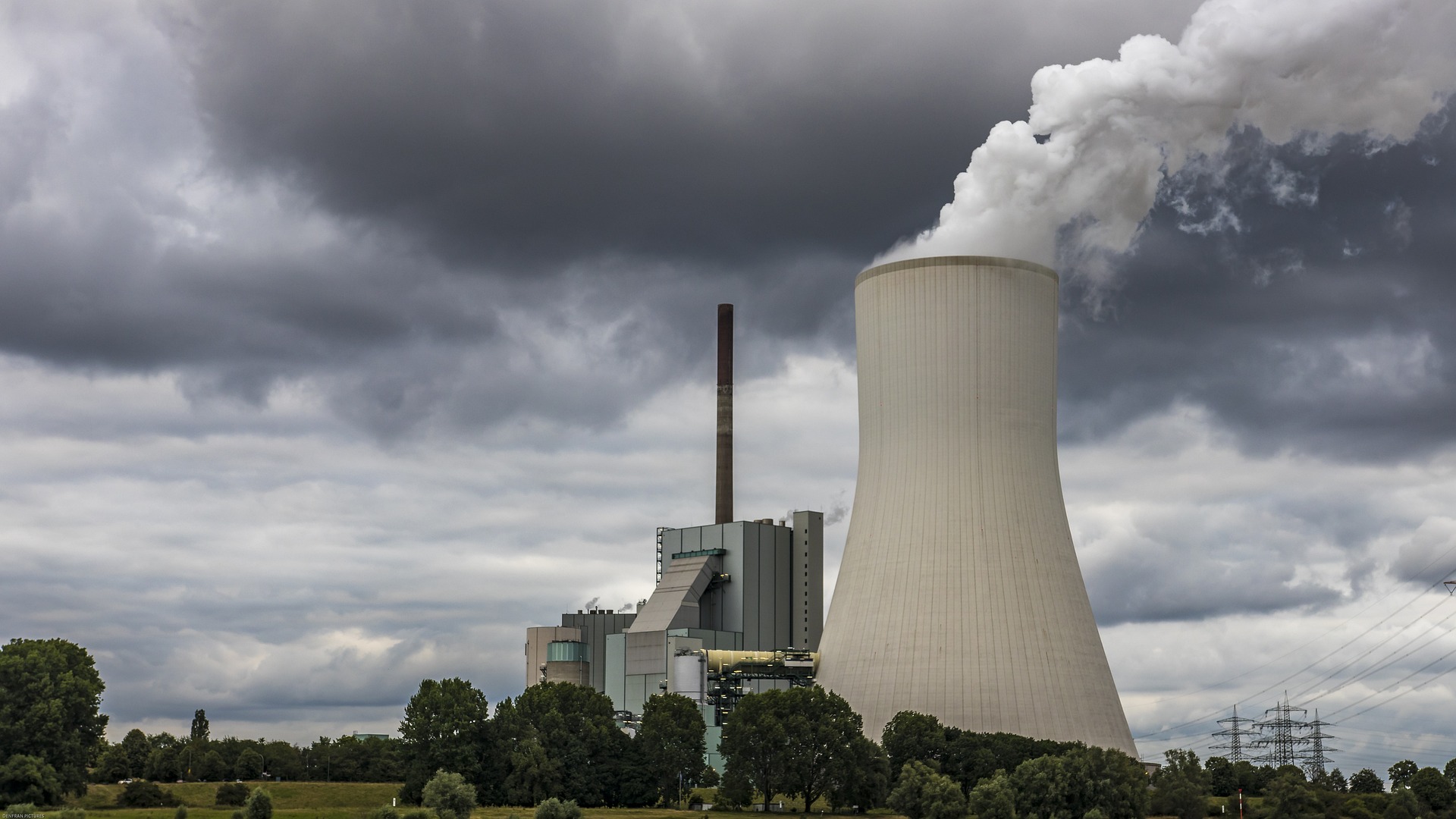
Meeting the Growing Needs for Energy Supply & Energy Security
This webinar will provide a review of the electricity energy supply industry both globally and domestically. In the domestic analysis, the expert presenter will provide a detailed review of the evolution of the electricity energy supply and an analysis of recent trends at different time scales. -

- Webinar
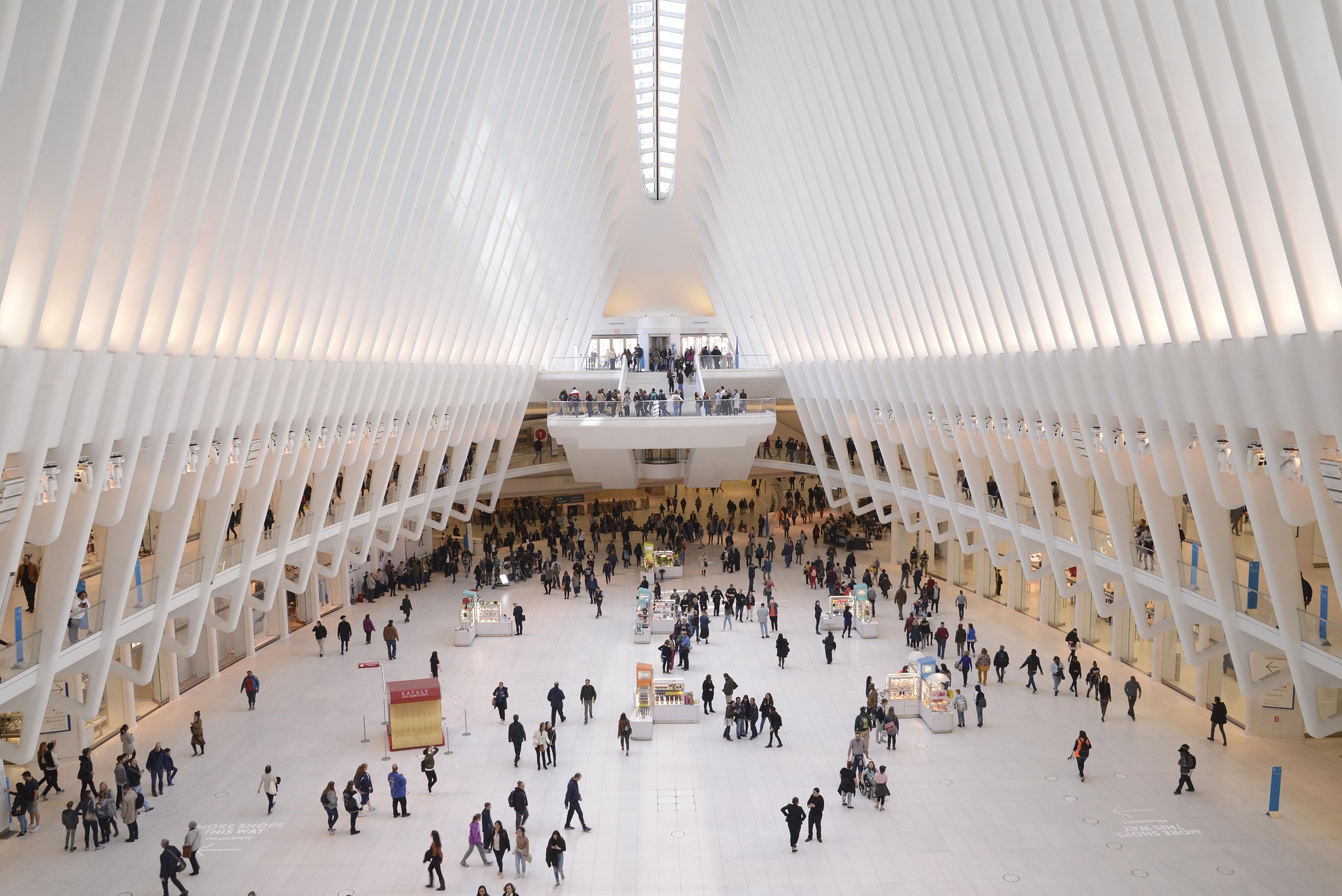
Lessons Learned from Post-9/11 World Trade Center and Lower Manhattan Transportation Planning and Design
The events of 9/11 devastated critical Lower Manhattan transportation systems. In the early planning and rebuilding of the World Trade Center site, the Port Authority of New York and New Jersey’s in-house planning and architectural leadership established a master plan framework which considered its impact far into the future.

Related TME Articles – K-12 STEM Outreach
-

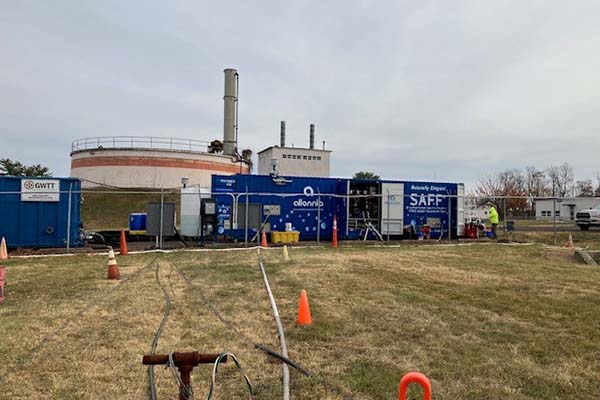
Complexities of PFAS Groundwater Interim Actions
With funding from the Environmental Security Technology Certification Program and oversight by the Defense Innovation Unit, a six-month groundwater treatment pilot study at Biddle ANGB revealed key insights into managing the challenges encountered in executing non-time critical removal actions concerning per- and polyfluoroalkyl substances. -
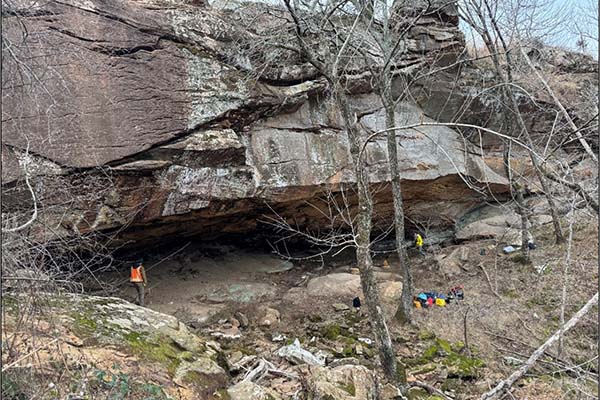
Leveraging 3D Scanning on Archaeological Sites
To better preserve an archaeological rockshelter in eastern Oklahoma on the Osage Nation, an environmental team turned to LiDAR and photogrammetry, conducting precise damage assessment and enabling long-term monitoring. -
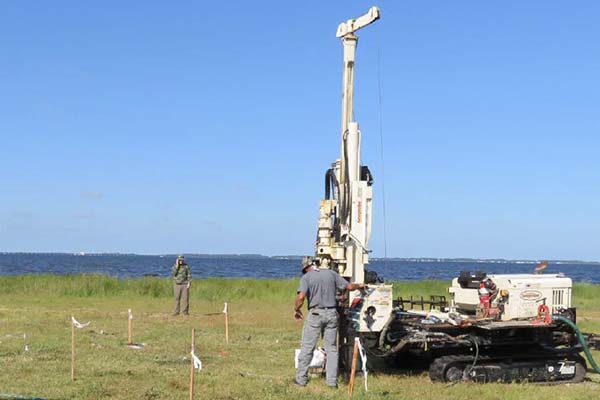
In Situ Remediation in North Carolina
An in-situ remediation strategy employed at a pair of Formerly Used Defense Sites in North Carolina helped achieve No Further Action status following years of stalled progress. -
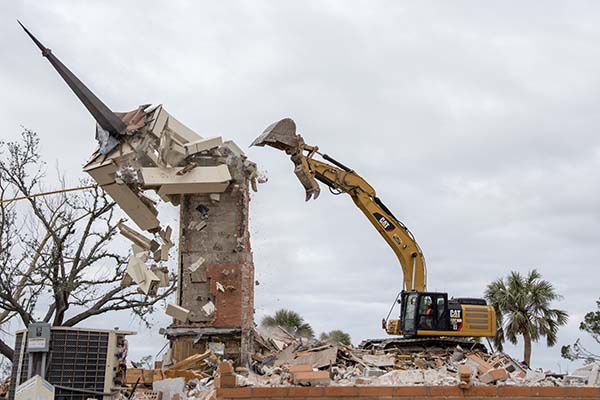
Building a Partnership to Guide an Historic Rebuild
As the focus at Tyndall AFB after the devastation caused by Hurricane Michael shifted from recovery to rebuild, steadfast vision, partnership, and leadership were equally essential in navigating logistical hurdles across the various teams involved in managing the monumental program.