
Committee Mission
The SAME Membership Committee develops and communicates to all Posts the strategies, best practices, and tools that are most effective for them to grow their membership, to foster greater member engagement and leadership, and to enhance their members’ experience with SAME, further enabling each Post to support the current Strategic Plan of the Society.
Join the SAME Engage Membership NetworkOverview
As one of the “operational” Communities of Interest (vs. “technical” COIs), the Membership Committee serves as an extension of the national office staff to assist all Post leaders, especially Posts’ Membership Chairs/POCs, with the tools, resources and connections necessary to help enhance their members’ society experience through their locally relevant Posts. Between our COI members and the post membership chairs/POCs, invited to our calls and sponsored webinars, we are over 140 people strong across SAME.
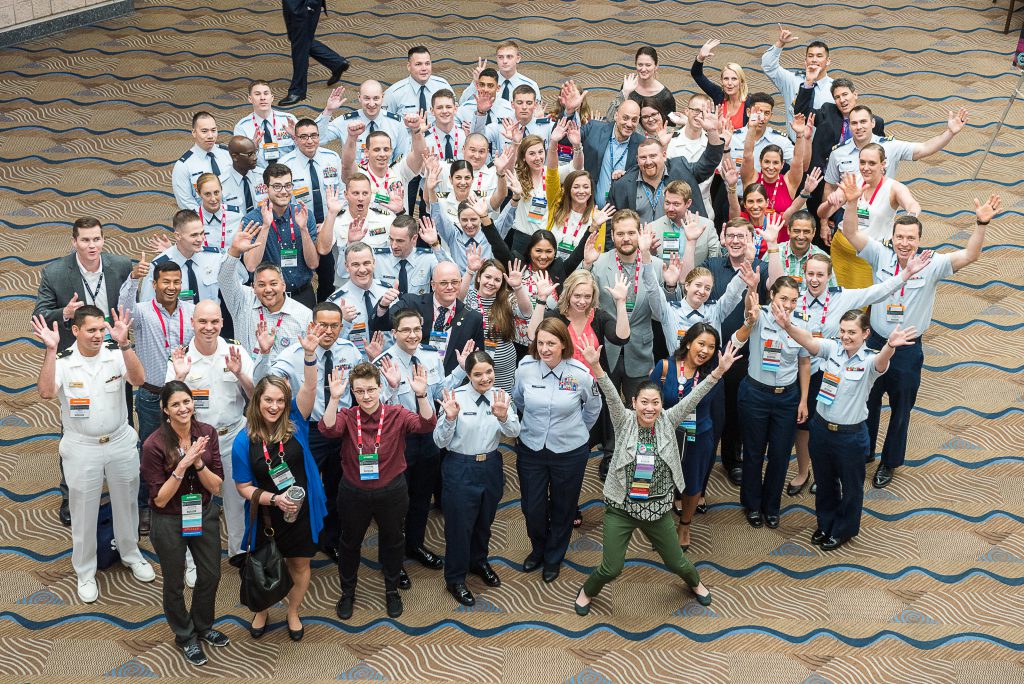
SAME’s Membership Committee is open to any SAME member to participate. Unlike many of our other COIs that focus in on special professional and technical interest areas important to SAME members, the Membership COI provides participants with a broad-ranging opportunity to become involved at the national level. Our forum has the potential to positively impact the experience of every current and future member of the society as it pursues its strategic goals.
COI Objectives
- Provide opportunities to foster connections with other Post leaders across all sizes and post geographies
- Engage with best practices employed at other Posts by their leaders and members
- Share creative tools and resources aimed at improving post level retention and recruitment successes
Committee Chair
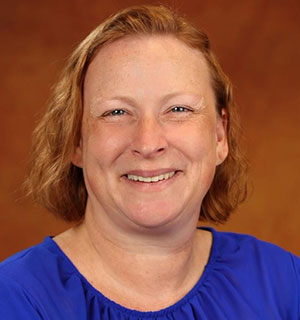
Lee Ann Zelesnikar, F.SAME
Organization Structure
Vice Chair, Tools & Resources: Dick Kochanek
Vice Chair, Strategic Direction: Shante Fields
Vice Chair, Communications: Summer Gladden, F.SAME
Staff Liaison: Jill Murphy
Webinar: Understanding the New Membership Structure
Military Membership – What’s in it for You?
Upcoming National Webinars
-
- Webinar
Surprising Stories About Camp David’s Unique History
Do you know the original name of Camp David? Do you know its historic role in the WW-2 D-Day invasion, or even where the secret presidential retreat is located? Please join us for this compelling webinar presented by a former commander of Camp David who will answer these questions and provide scores of other interesting facts and stories about the 84-year-old mountaintop refuge. -

- Webinar
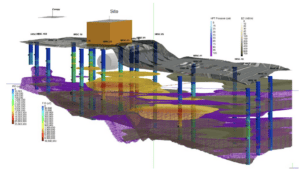
The Latest in HRSC: Real-Time Data and Remedial Alternatives
The process of High-Resolution Site Characterization (HRSC) continues to evolve, giving environmental professionals faster, more defensible ways to understand and remediate contaminated sites.
Related TME Articles – Membership
-

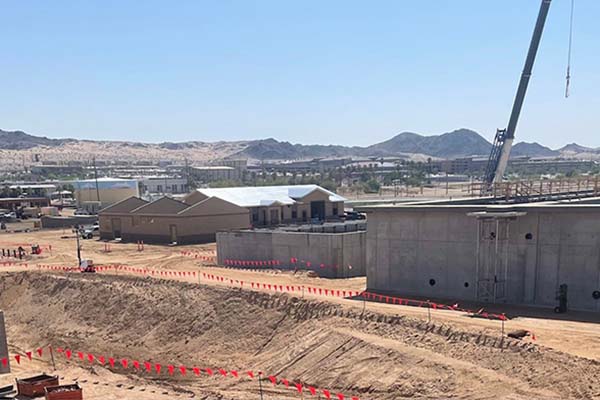
Delivering Water Resilience at Twentynine Palms
A new wastewater treatment plant at the Marine Corps Air Ground Combat Center will enhance water reuse and sustainability in the arid environment of the Mojave Desert. -
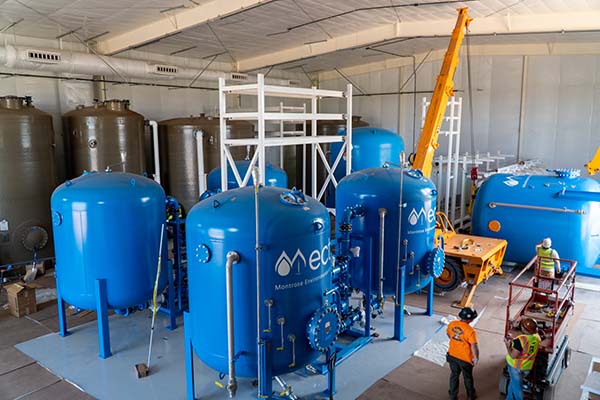
Tackling PFAS in the Groundwater at Cannon AFB
A pilot groundwater treatment system at Cannon AFB demonstrates an innovative, sustainable approach to remediating PFAS by combining advanced technology, flexible design, and reinjection strategies to protect the Ogallala Aquifer and public health. -
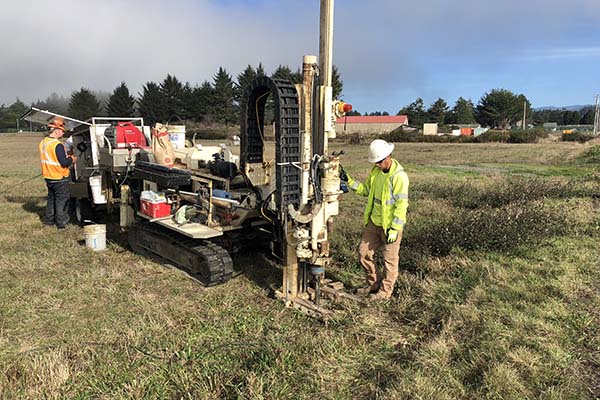
Clearing the Fog: Path to Environmental Recovery at NAAS Arcata
After an intensive seven-year effort to remove contaminants from historical training practices and remediate Naval Auxiliary Air Station Arcata in Northern California, the base is no longer listed for cleanup as a Formerly Used Defense Site. -
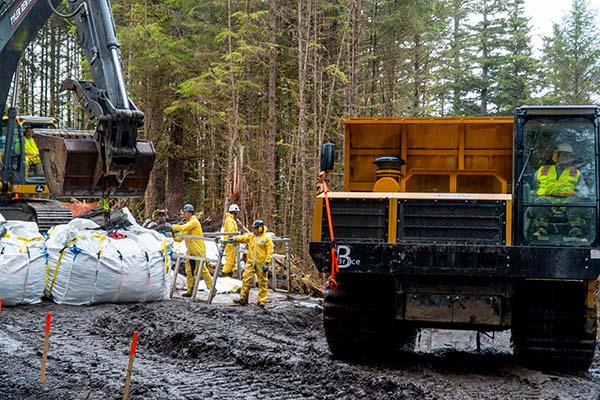
Overcoming Extreme Conditions to Restore Fort Babcock
At the remote former Fort Babcock site near Sitka, Alaska, an exceedingly complex, four-year environmental remediation sought to clean up decades-old World War II-era polychlorinated biphenyls and petroleum contamination.