
Committee Mission
The SAME Membership Committee develops and communicates to all Posts the strategies, best practices, and tools that are most effective for them to grow their membership, to foster greater member engagement and leadership, and to enhance their members’ experience with SAME, further enabling each Post to support the current Strategic Plan of the Society.
Join the SAME Engage Membership NetworkOverview
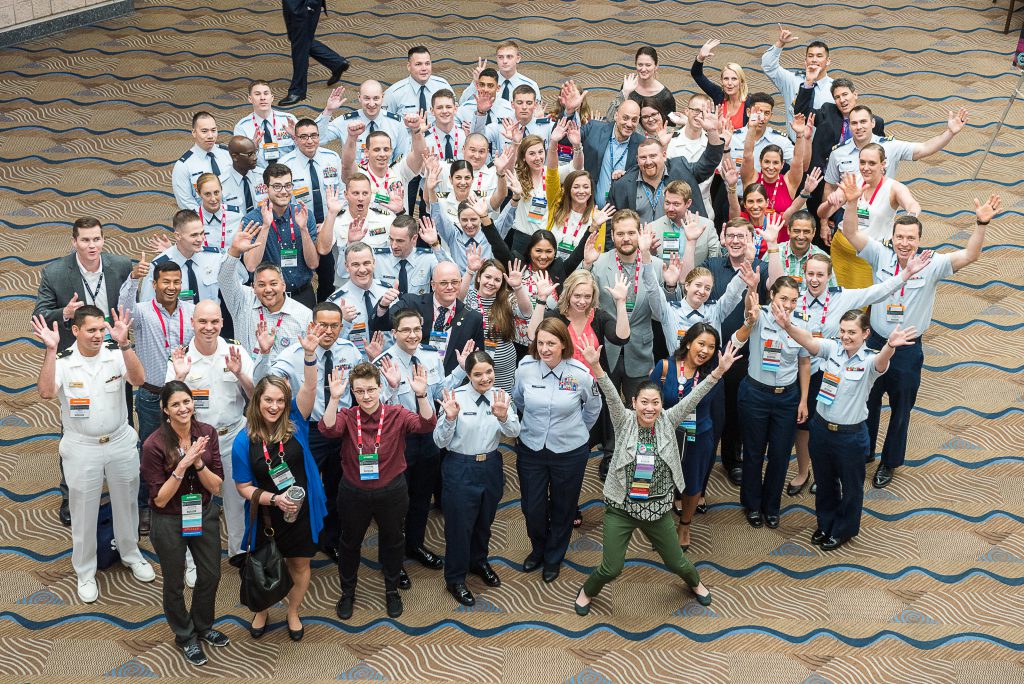
As one of the “operational” Communities of Interest (vs. “technical” COIs), the Membership Committee serves as an extension of the national office staff to assist all Post leaders, especially Posts’ Membership Chairs/POCs, with the tools, resources and connections necessary to help enhance their members’ society experience through their locally relevant Posts. Between our COI members and the post membership chairs/POCs, invited to our calls and sponsored webinars, we are over 140 people strong across SAME.
SAME’s Membership Committee is open to any SAME member to participate. Unlike many of our other COIs that focus in on special professional and technical interest areas important to SAME members, the Membership COI provides participants with a broad-ranging opportunity to become involved at the national level. Our forum has the potential to positively impact the experience of every current and future member of the society as it pursues its strategic goals.
COI Objectives
- Provide opportunities to foster connections with other Post leaders across all sizes and post geographies
- Engage with best practices employed at other Posts by their leaders and members
- Share creative tools and resources aimed at improving post level retention and recruitment successes
Committee Chair
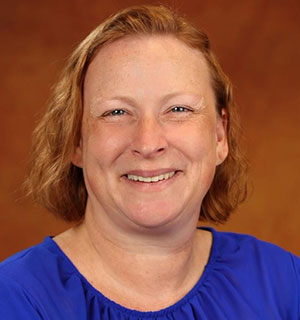
Lee Ann Zelesnikar, F.SAME
Organization Structure
Vice Chair, Tools & Resources: Dick Kochanek
Vice Chair, Strategic Direction: Shante Fields
Vice Chair, Communications: Summer Gladden, F.SAME
Staff Liaison: Jill Murphy
Webinar: Understanding the New Membership Structure
Military Membership – What’s in it for You?
Upcoming National Webinars
Related TME Articles – Membership
-

Leading the Way for Transitioning Veterans
At San Diego State University, Troops to Engineers is providing veterans with opportunities for professional development and career assistance to support them in a successful transition from military service. -

Mitigating Climate-Related Risks Through Real Property Investments
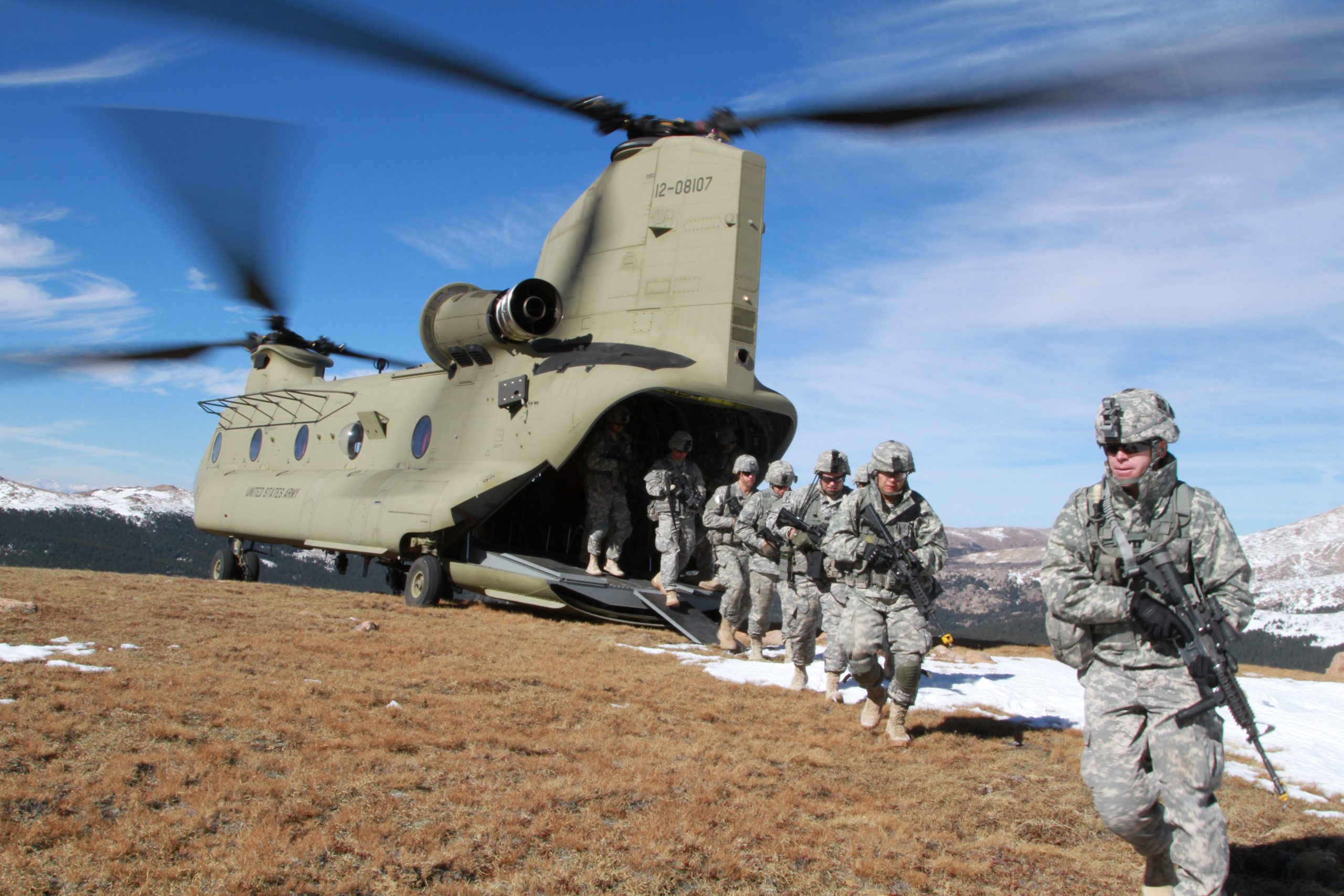
A first-of-its-kind Climate Resilience Plan for Fort Carson and the Piñon Canyon Maneuver Site provides a path forward for the installation to identify and address climate-related risks through the Real Property Master Plan. -

Rethinking Community Preparedness for Accidental Chemical Releases
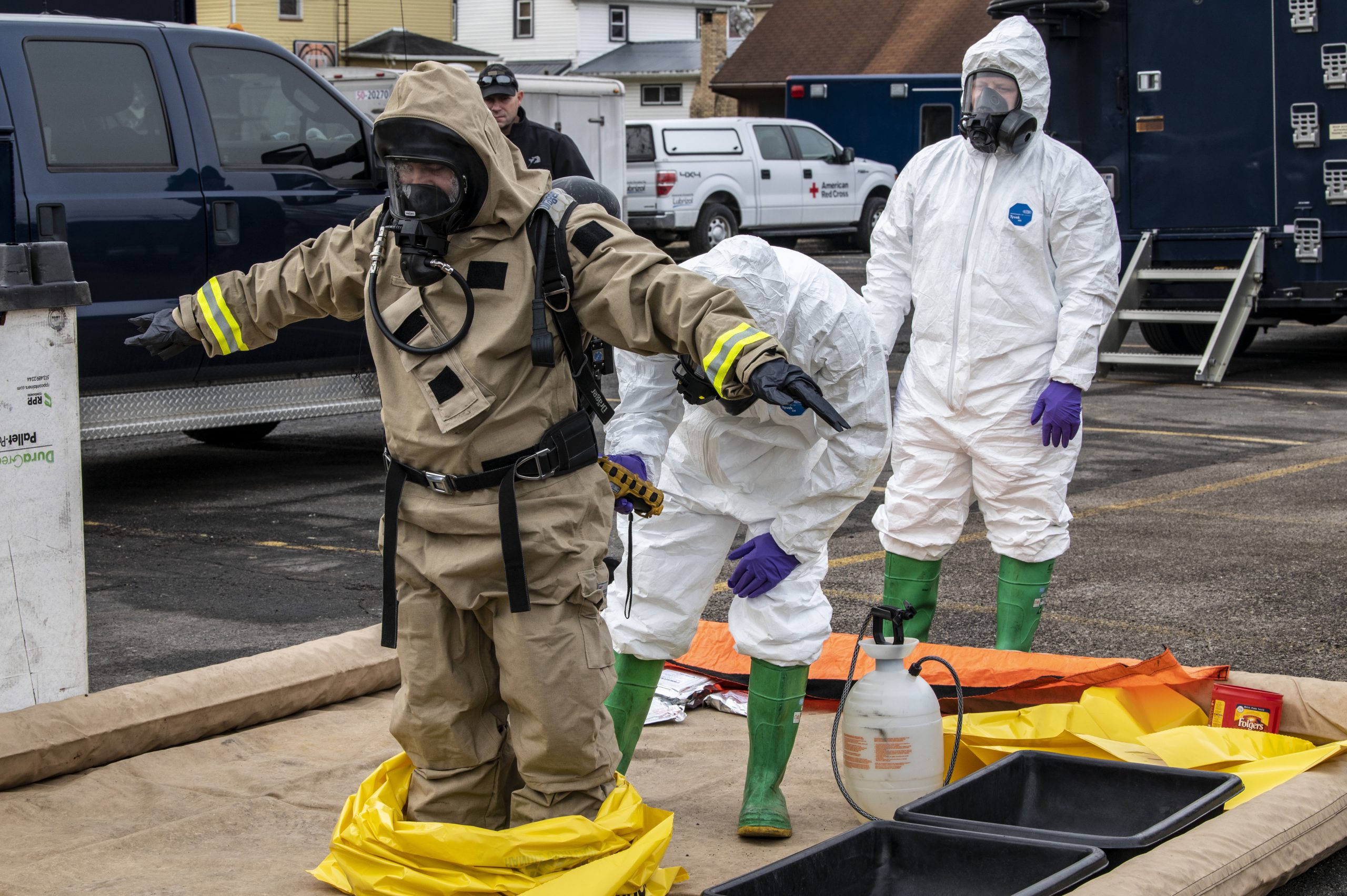
Members of the 52nd Civil Support Team ready themselves to enter an affected incident area to assess and collect samples at public facilities for any possible remaining hazards -

Deterioration Modeling Needs for Water Distribution Infrastructure
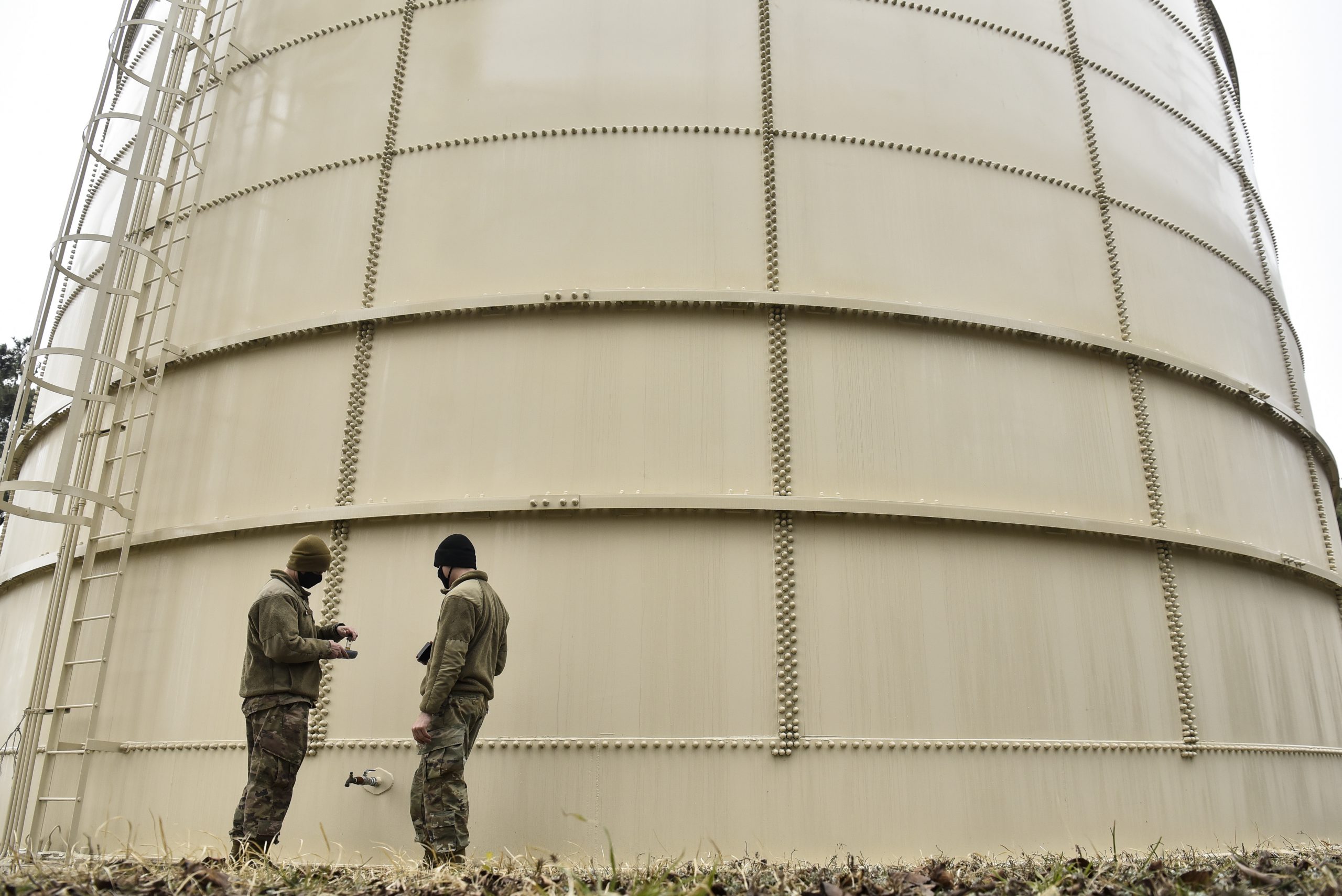
A study conducted by the Air Force Institute of Technology (AFIT) examined the Air Force’s water distribution systems to illustrate the need for enhanced prediction capabilities in any sustainment management system.