Community Mission
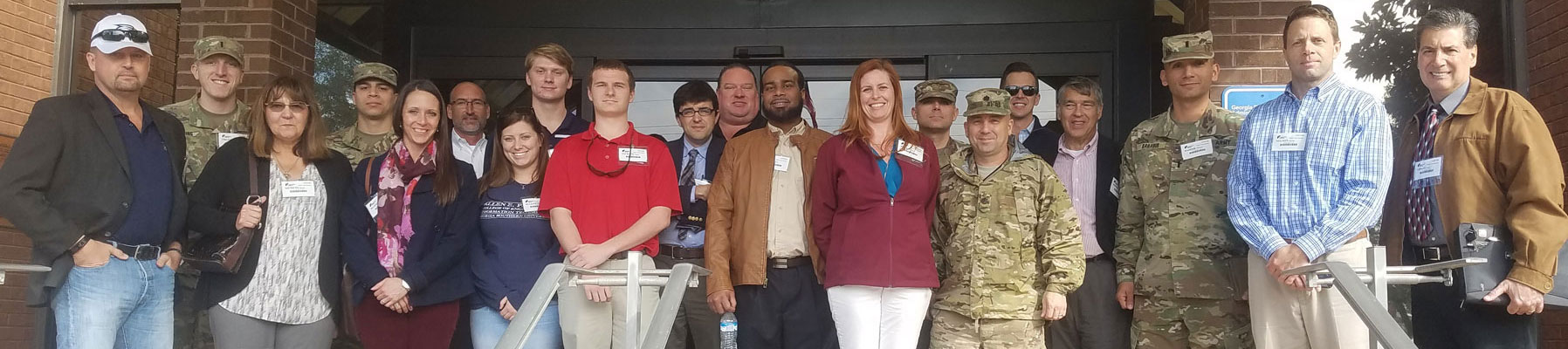
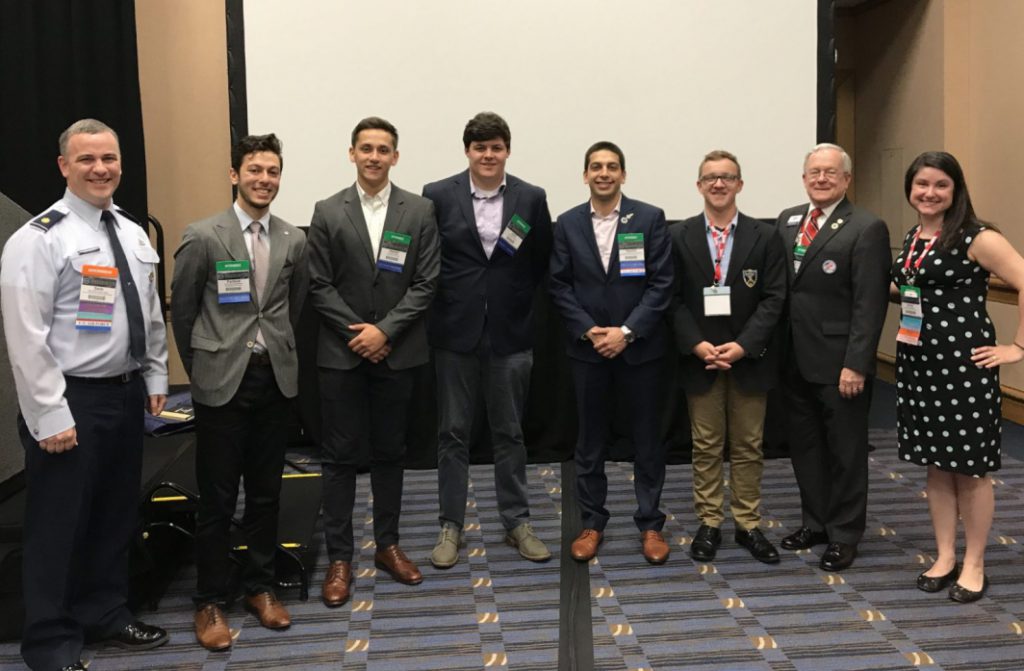
The College Outreach Community leads collaborative efforts between SAME and academia to identify and resolve national security infrastructure-related challenges and supports Post’s efforts to mentor and develop future STEM professionals at the collegiate-level. The community serves as a bridge between academia, Posts, government (military and civilian), and the private sector. The community provides guidance to the network of student chapters across the Society, promotes internship opportunities from SAME sustaining members, and will establish a new engineering competition for students designed to address the nation’s grand challenges.
Overview
The SAME College Outreach Community strives to organize programs and present opportunities to future military and civilian members of the A/E/C profession that will foster networking within their professional community, build leadership skills, and provide job opportunities to recent graduates. Additionally, students with an active membership within SAME have at their disposal a wealth of knowledge and experiences from professionals throughout the A/E/C community of practice.
Community Chair
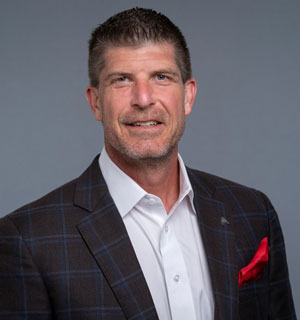
Chris Poulos
AOR Logistics LLC at Chenega Professional Services Strategic Business Unit
Past Chair
Marilyn Zenko
Executive Community Structure
Vice Chairs
Danielle Hughes, Communications
Jeffrey Allen, Academia Engagement
Staff Liaison
Sarah Feighery, Program Manager
2027 SAME Undergraduate Innovation Design Challenge
Submissions for the 2026-27 SAME Undergraduate Innovation Design Challenge are due by February 28, 2027. This competition, led by the College Outreach COI, evaluates design projects that are being developed by student members as part of their degree curriculums and highlights the innovative thinking of the next generation of STEM professionals.
Learn more about the Innovation Design ChallengeUpcoming National Webinars
-

- Webinar
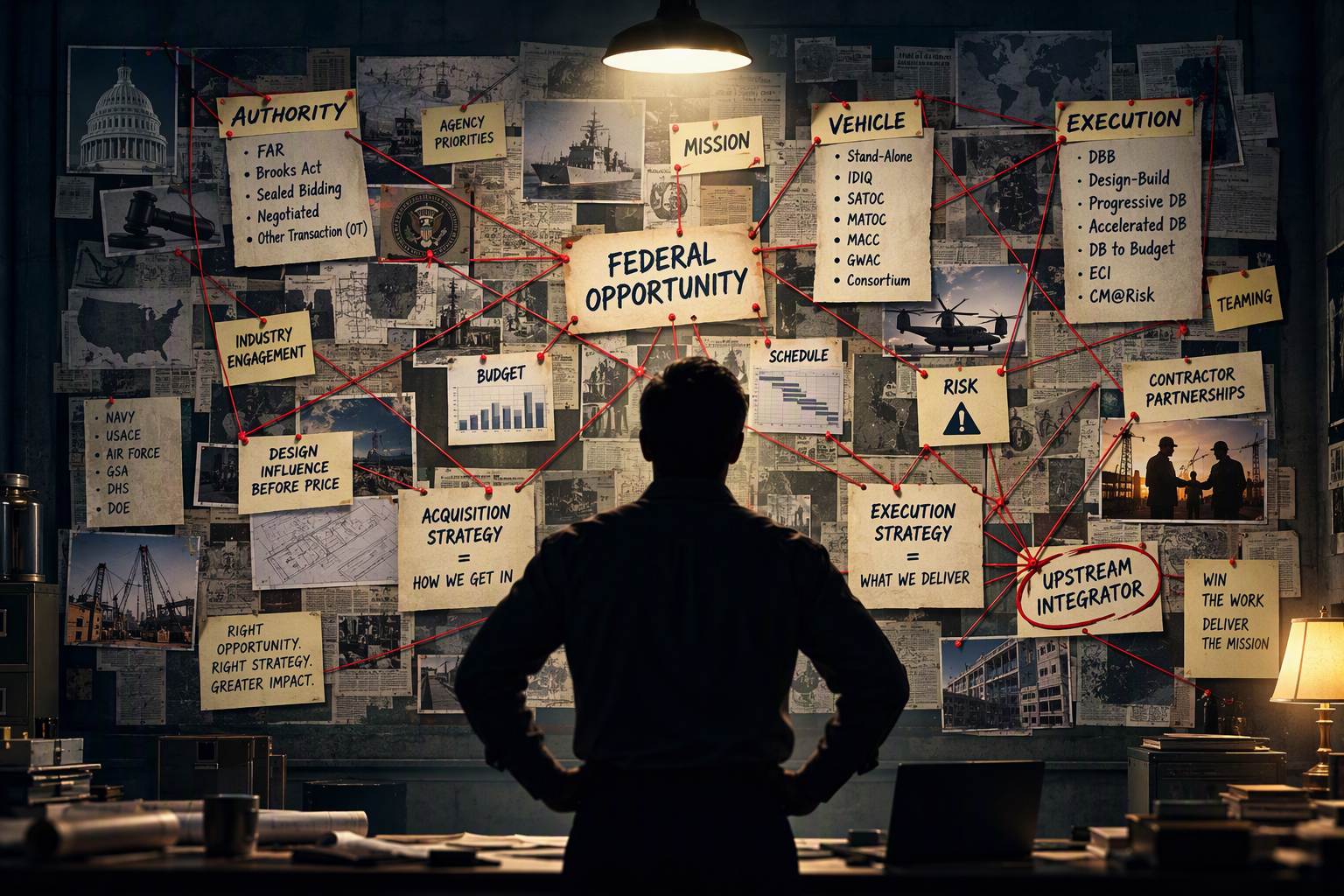
Decoding Federal Acquisition Strategy: How Projects Actually Get Delivered
Federal project announcements are filled with terminology: Design-Build, Progressive Design-Build, IDIQ, MATOC, MACC, task order, and Other Transaction Authority. But these terms do not all describe the same decision. -
- Webinar
Optimizing Market Research in Government Contracting
Detailed market research is fundamental to success in federal contracting. While many professionals focus their efforts on active solicitations, strategic advantage comes from understanding the market before an opportunity is posted. Beyond USAspending.gov and opportunity listings on SAM.gov, more than a dozen additional federal data sources can help inform your strategy, strengthen your position, and focus your market planning. -

- Webinar
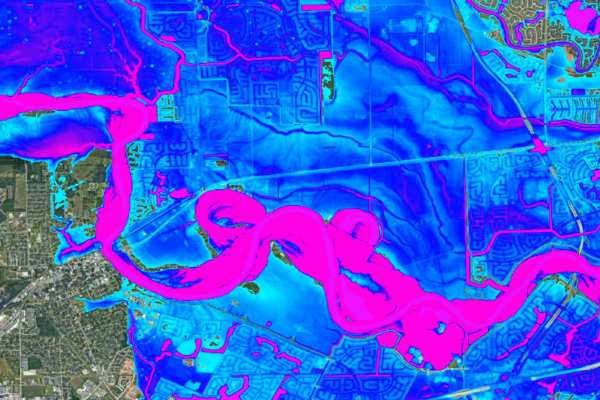
How Global Flood Data Drives Infrastructure Resilience and Emergency Management
Utilizing physics-based 2D hydraulic modeling and climate-conditioned flood datasets can deliver actionable and scalable risk intelligence for infrastructure resilience and emergency management
Related TME Articles – College Outreach
-

Establishing Partnership at Niagara Falls Air Reserve Station
In designing a new fueling solution for Niagara Falls Air Reserve Station that would be capable of meeting its modern mission needs, laying a foundation of transparency, accountability, and communicated expectations early on was key to meeting project goals. -

Navigating Cost Volatility
In reaction to significant market disruptions since 2020, the construction industry has adapted by leveraging shared risk contract methods and more responsive data sources, and by implementing more secure technology platforms. -

Achieving Carbon Neutrality Targets in the Federal Sector
Developing a comprehensive roadmap based on the unique location, mission, and function of the facilities at individual military bases can help deliver projects that move installations toward carbon neutrality goals. -

Leveraging Industry-Government Engagement to Improve Project Delivery
Efforts underway to better implement partnering relationships into federal construction has led to the establishment of updated guidance across the services as well as new tools to better lay out expectations and encourage dialogue at a project’s onset.