

Quick Links
Community Mission
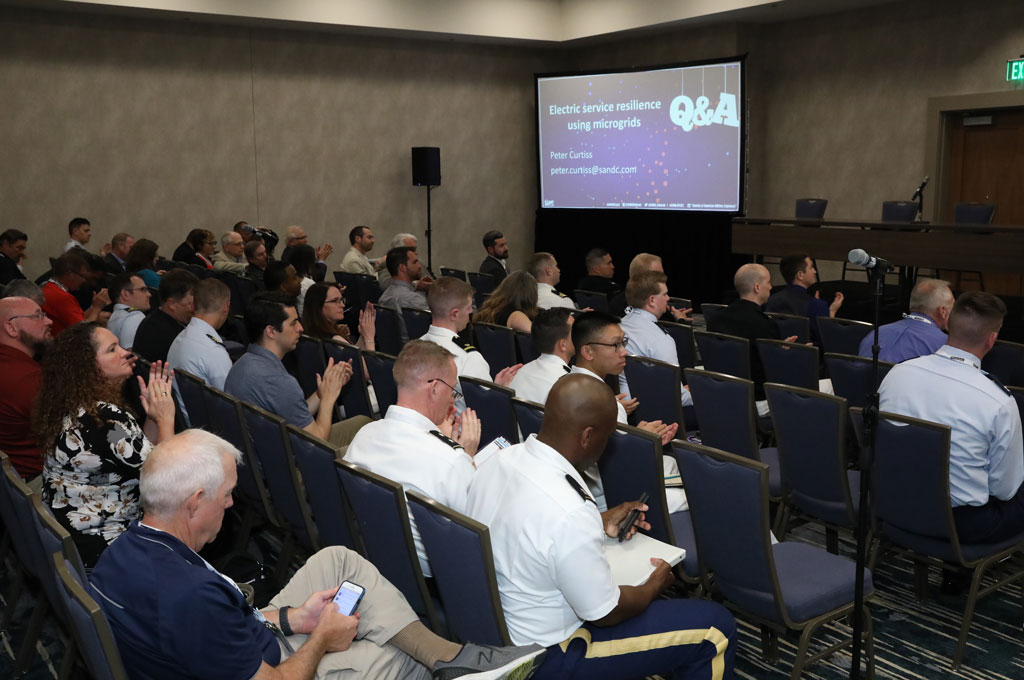
The mission of the SAME Energy Security (ES) Community of Interest (COI) is to engage COI members and support the Department of Defense on activities related to security of energy and other critical utility infrastructure across the SAME enterprise in support of the 2030 SAME Strategic Plan – The Journey to 2030.
Specifically, the ES COI will lead efforts to strengthen industry-government engagement (IGE) by fostering a supportive environment to discuss ES activities and advancements in support of the A/E/C community and security of our national energy and other critical utility infrastructure.
Join the SAME Engage ES NetworkStrategic Alignment & Goals
The ES COI’s strategic goals were developed in alignment with the 2030 SAME Strategic Plan.
Goal 1: Drive Partnerships Through Focused Industry-Government Engagement
- The ES COI will support engagements between the military, agency partners, and the A/E/C community to collaborate on solutions to address global security challenges related to energy and other critical utility infrastructure. The ES COI will lead an IGE for Energy Infrastructure Supply Chain Security and will host an annual Senior DoD panel at JETC to discuss ES topics to strengthen this engagement.
Goal 2: Deliver Solutions for Critical Infrastructure and Mission Readiness Challenges
- The ES COI will focus on developing educational opportunities, engagements, and programs on topics related to security of energy and other critical utility infrastructure, while collaborating with Posts and other COIs to develop discussions to yield solutions, best practices, and actionable information.
Goal 3. Develop People to Strengthen America’s STEM Pipeline and Technical Workforce
- The ES COI will leverage the ES Track at JETC, webinars, and other engagements to support and encourage trade-related careers and professional/technical development in the areas of energy and other critical utility infrastructure. The SC will cultivate leaders who lead with courage, character, respect, and tolerance.
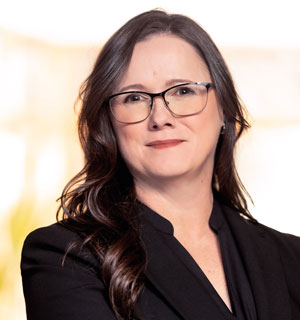
Elizabeth J. Bradford, MS, ENV SP
VP, National Resilience & Energy Lead
Michael Baker International
Vice Chair: Tim “Chef” Scheffler, PE, Lt Col, USAF
Deputy Chief, Engineer Division (A4C)
Air Force Global Strike Command
Immediate Past Chair: Norm Campbell
Federal Business Development Manager, Power
Siemens
Vice Chair, Secretary:
Project Manager, Engineer, North America Envision Coordinator, GHD Inc.
Vice Chair, Post/COI Liaison: Qian Zhang, PE, PMP, Env SP, LEED GA, MS
Project Manager, Engineer, North America Envision Coordinator
GHD Inc.
Vice Chair, Programs & Events: Wayne Mackey
Principal Consultant
Mackey Training Advising Compliance, LLC.
Vice Chair, Communications: Bobbi Jo Lang
Vice Chair, Strategic Partnership: John M. Constantinide
Range Mechanical/Electrical SME & Engineer
45th Civil Engineer Squadron
Vice Chair, Post Liaison: Qian Zhang, PE, PMP, Env SP, LEED GA, MS
Vice Chair, Education: Ray Arguello
Board Member
Scout (SDVOSB)
Vice Chair, Technology & Innovation: Matt McCann, Centrica Business Solutions – North America
Addressing the Security of the Energy Infrastructure Supply Chain Industry-Government Engagement (IGE) Project Lead:
Norm Campbell
Federal Business Development Manager, Power
Siemens
Staff liaison at SAME National Office: Sarah Feighery
Upcoming National Webinars
-

- Webinar
Progressive Design Build: A New Delivery Method Now Available
Progressive Design Build – New NDAA language. This webinar will help explain the fundamental shift in federal construction delivery and clarify the meaning and application of qualifications-based selection processes for construction. Our expert presenters will address what this model means to acquisition teams and how industry evaluates and responds to these opportunities. -

- Webinar
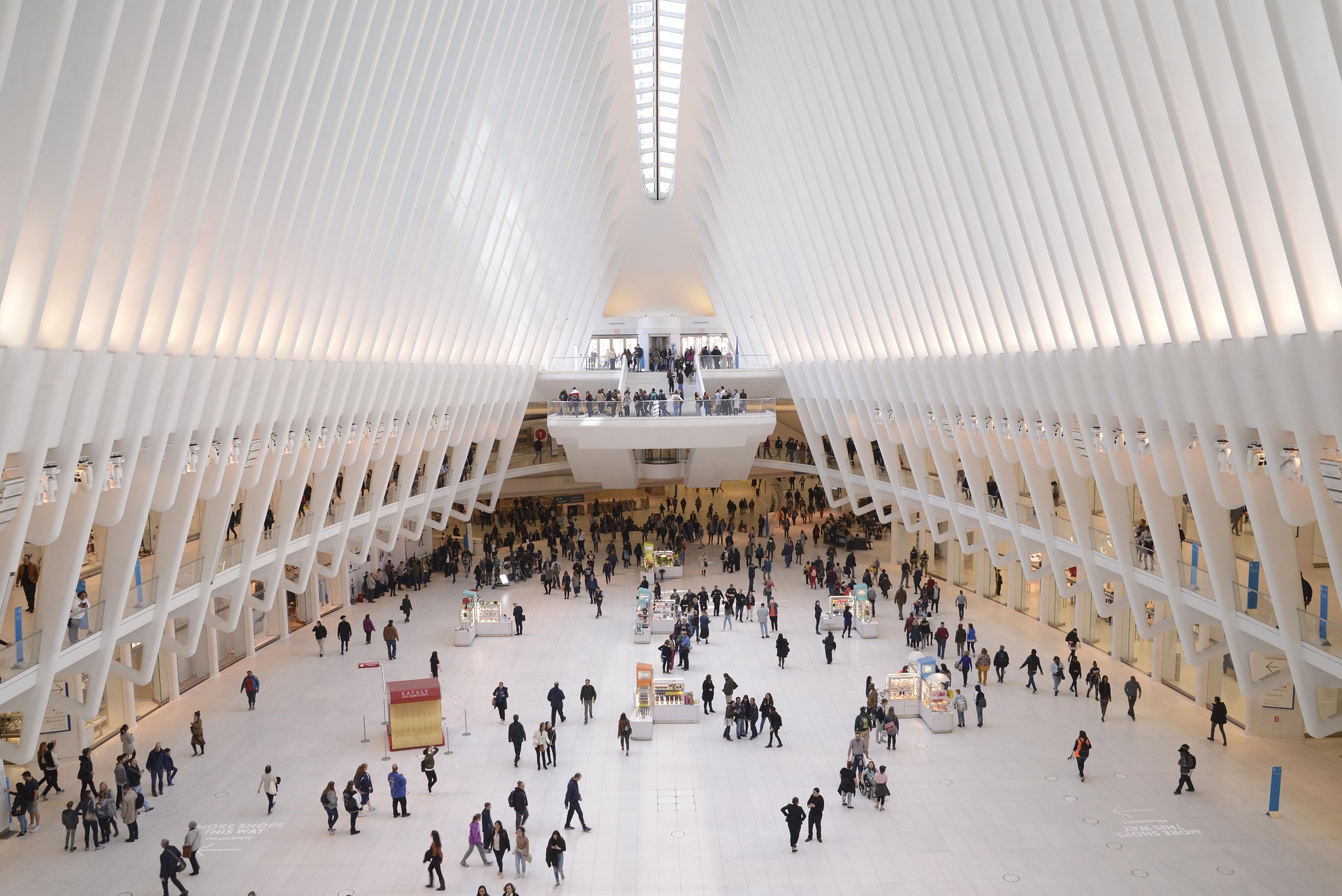
Lessons Learned from Post-9/11 World Trade Center and Lower Manhattan Transportation Planning and Design
The events of 9/11 devastated critical Lower Manhattan transportation systems. In the early planning and rebuilding of the World Trade Center site, the Port Authority of New York and New Jersey’s in-house planning and architectural leadership established a master plan framework which considered its impact far into the future.
Related TME Articles – Energy Security
-

Modernizing Dry Dock No. 1 at Naval Base San Diego
A recent project to modernize Dry Dock No. 1 at Naval Base San Diego will allow the facility to service modern vessel types while increasing its reliability for decades. -
Streamlining Federal Construction with Alternative Delivery Methods
Alternative delivery methods offering early involvement of the construction contractor during design offer a valuable tool to help address cost and schedule overruns in federal projects, increase collaboration, and grow the number of companies willing to bid. -

Designing and Constructing Secure Spaces at China Lake
As part of the earthquake recovery program at Naval Air Weapons Station China Lake, nearly 300,000-ft2 of secure space must be constructed, requiring an integrated team of government owners, stakeholders, and industry members. -
Using Modified ECI to Achieve Mission Success
In fast-tracking a design-build renovation of three barracks at Fort Liberty (to promptly address a mold infestation), utilizing modified early contractor involvement allowed the project to be successfully completed within a year.