
Quick Links
Community Mission
The SAME Environmental Community of Interest (ECOI) aims to: Educate and Train SAME membership, DoD and Federal Agencies on current and emerging topics in environmental technologies, management and regulatory developments facing the A/E/C community; Facilitate Relationships and Engagement between industry and government on environmental issues, thereby encouraging collaboration and partnering; Foster Opportunities for members to highlight their professional efforts, share knowledge, increase engagement and expand their professional networks.
Join the SAME Engage Environmental Network
Community Chair
Ann Ewy, PMP, F.SAME
Vice Chair/Chair Elect: Chris Hook, Tetra Tech
Immediate Past Chair: Vacant
Vice Chair, Secretary: Vacant
Vice Chair, Education: Jason McNew, EA Engineering, Science, and Technology
Vice Chair, National Programs & Events: Mark MacEwan, Parsons
Vice Chair, Communications: Laura Tobin, Conti Federal Services
Vice Chair, Regulatory: Jen Warf, AECOM
Vice Chair, PFAS IGE: Lisa Kammer, Weston Solutions
Vice Chair, Post Liaison: Troy Ephriam
Vice Chair, Innovation & Technology: Kevin Olness
Vice Chair, COI Liaison: Vacant
Upcoming Events
-

- Environmental COI, National Webinar, SAME Communities of Interest, SAME Environmental COI, SAME National Events, Upcoming Events
- Webinar
How NAOC Powers and Facilitates the Next Era of Munitions Response
This webinar introduces attendees to the National Association of Ordnance Contractors (NAOC)—a nationally recognized organization representing companies engaged in all aspects of military munitions response. NAOC advocates for efficient, high quality project execution and promotes safety for both the workforce and the public, while serving as a central forum for government–industry collaboration across the munitions response community. -

- Architectural Practice COI, Construction COI, Environmental COI, SAME National Events, SAME Post Events, San Francisco Post, San Francisco, CA
- Stanford University
Federal AI Summit

Upcoming National Webinars
-
- Webinar
How NAOC Powers and Facilitates the Next Era of Munitions Response
This webinar introduces attendees to the National Association of Ordnance Contractors (NAOC)—a nationally recognized organization representing companies engaged in all aspects of military munitions response. NAOC advocates for efficient, high quality project execution and promotes safety for both the workforce and the public, while serving as a central forum for government–industry collaboration across the munitions response community. -

- Webinar
Brave New World: Bid Protests in 2026 and Beyond
Any industry insider can tell you that bid protests have become – for good or for ill – an inevitable feature of many procurements. For that reason, successful contractors know how to both successfully assert a protest challenging a competitor’s improper award, and successfully defend against baseless protests brought by their own disgruntled competitors. -

- Webinar
Progressive Design Build: A New Delivery Method Now Available
Progressive Design Build – New NDAA language. This webinar will help explain the fundamental shift in federal construction delivery and clarify the meaning and application of qualifications-based selection processes for construction. Our expert presenters will address what this model means to acquisition teams and how industry evaluates and responds to these opportunities. -

- Webinar
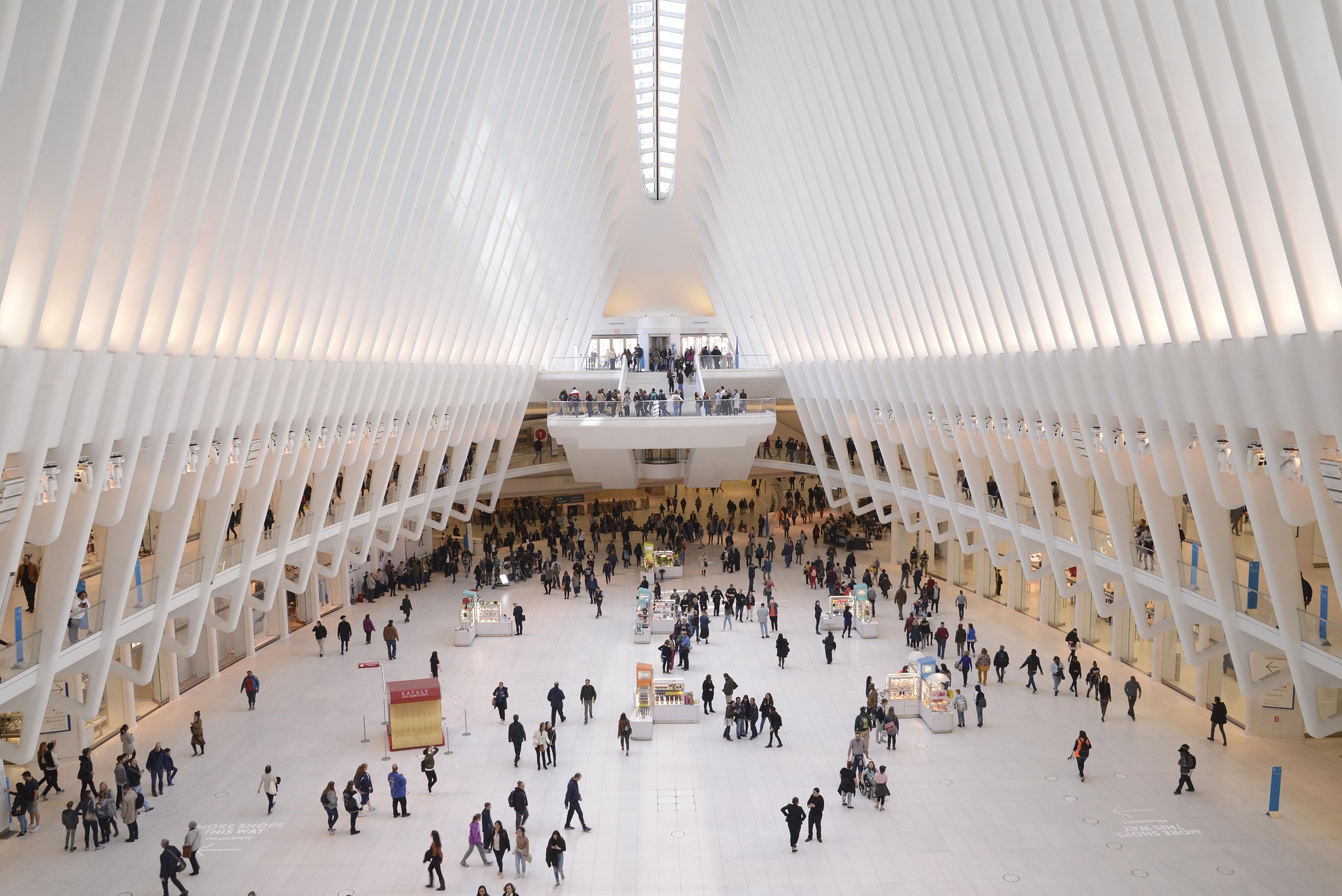
Lessons Learned from Post-9/11 World Trade Center and Lower Manhattan Transportation Planning and Design
The events of 9/11 devastated critical Lower Manhattan transportation systems. In the early planning and rebuilding of the World Trade Center site, the Port Authority of New York and New Jersey’s in-house planning and architectural leadership established a master plan framework which considered its impact far into the future.

Related TME Articles – Environmental
-

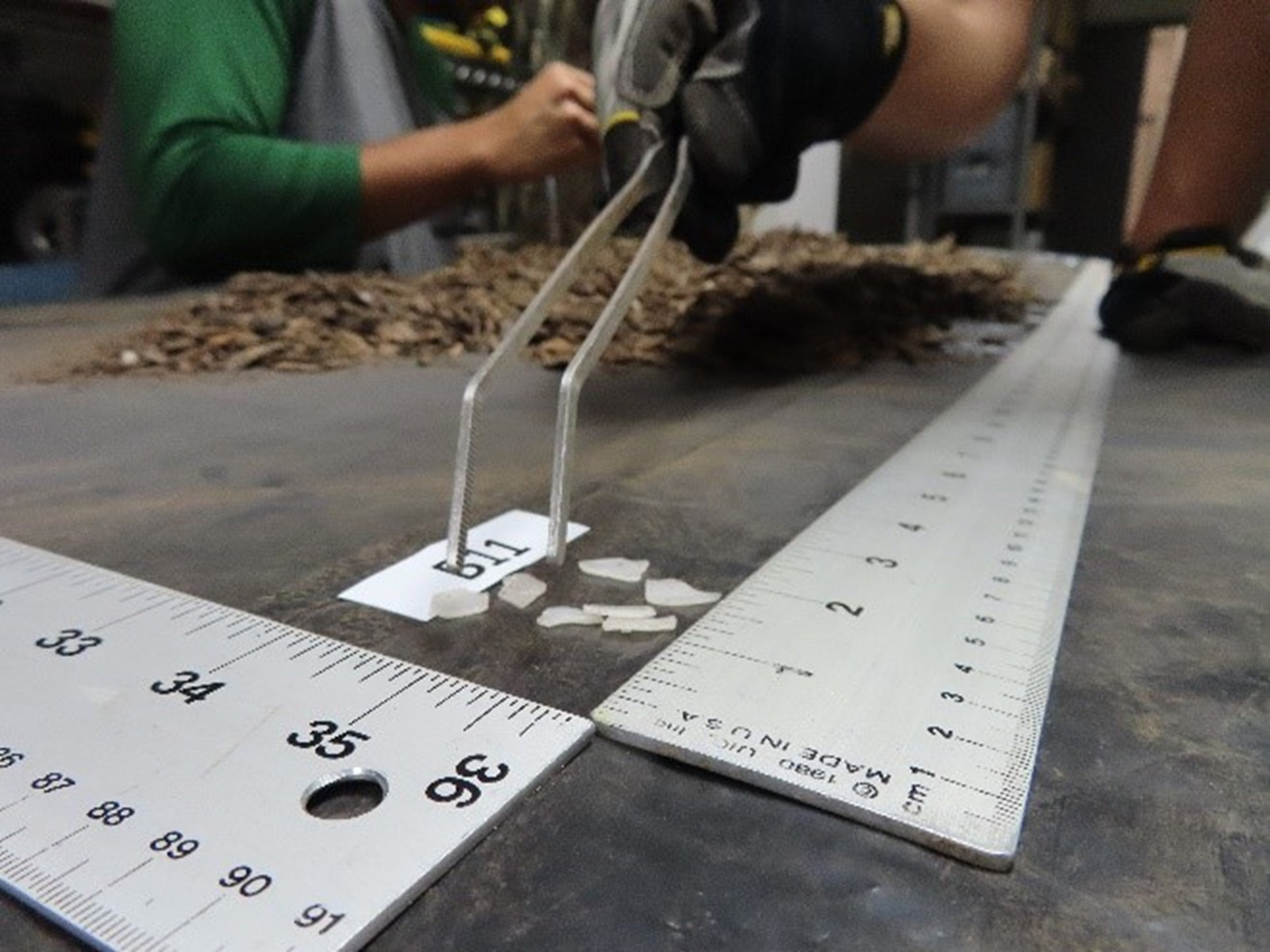
Composting Bioplastic Waste in Expeditionary Environments
A research team at the U.S. Army Engineer Research & Development Center’s Construction Engineering Research Laboratory studied the compostability of bioplastics under expeditionary conditions in order to help reduce plastic waste and support policy targets for source reduction and diversion. -

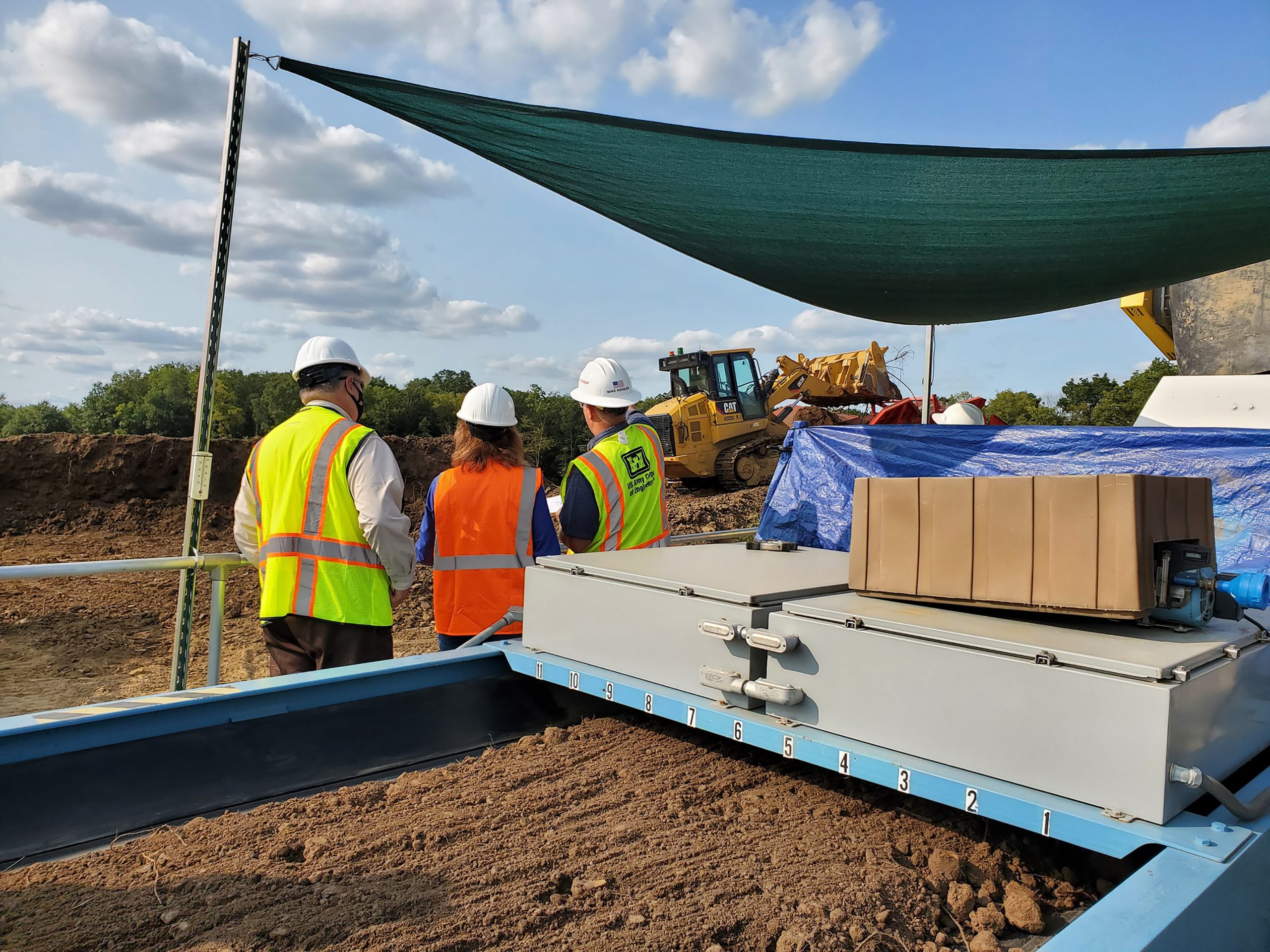
Reducing Waste Through Soil Sorting
Soil sorting systems capable of screening the debris generated at remediation projects for the presence of contaminants can greatly reduce the volume needed for off-site transport and disposal. -
Leveraging Geophysical Technology for Military Munitions Remediation
At a densely forested and protected area within the Camp Croft Formerly Used Defense Site, advanced geophysical classification is being used to implement a large-scale, complex military munitions remedial action. -

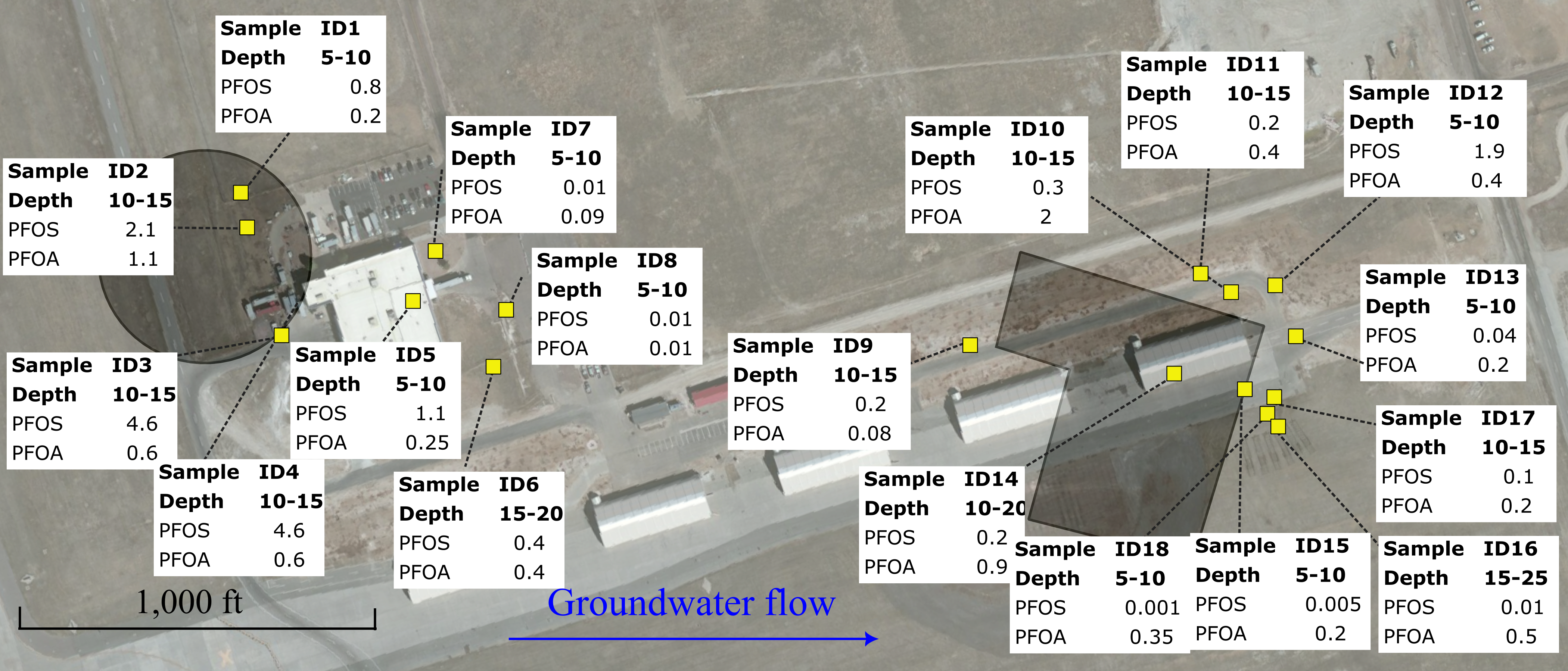
Rethinking How PFAS Data is Presented
Utilizing knowledge-dense figures for sites impacted by per- and polyfluoroalkyl substances allows for a more comprehensive assessment, improves understanding of sources and distribution, and better informs cleanup decisions.