
Community Mission
The mission of the Facilities Asset Management (FAM) Community of Interest is to enhance the efficient, effective, and sustainable stewardship of federal facilities. We achieve this by connecting Department of Defense and industry leaders with those seeking knowledge in asset management (AM), providing a collaborative platform for sharing resources, technologies, and strategies that support informed decision-making and risk management. Through research, advocacy, and professional development, we address current and future challenges in facility management to ensure long-term success.
Join the SAME Engage FAM NetworkCOI Objectives
- Foster Knowledge Sharing: Provide a platform for Department of Defense and industry leaders to exchange knowledge, resources, and best practices in asset management (AM).
- Promote Collaboration: Facilitate partnerships between industry, government agencies, and FAM thought leaders to address the challenges posed by constrained funding, hybrid workspaces, and extreme weather impacts.
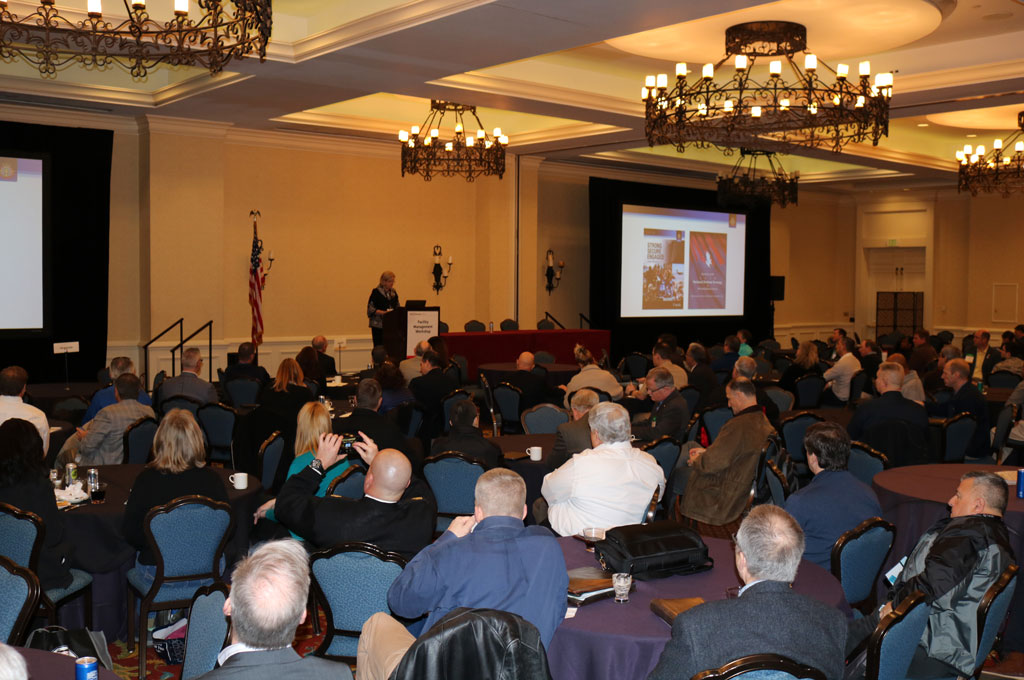
- Expand Learning Opportunities: Offer a variety of forums, including webinars, the FAM Session Track, and the FAM Forum at JETC, for continuous learning and professional development.
- Leverage Cutting-Edge Technologies: Collaborate through the Geospatial Working Group on advanced technologies such as digital surveying, 3D modeling, and site picture generation.
- Support a National Asset Management Mission: Engage in the ongoing national effort to enhance asset management practices and drive innovation across industries.
Community Chair
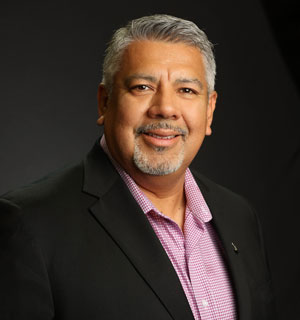
Rigo Cisneros, Jacobs
Vice Chair: Jeff Freemyer, ManTech
Immediate Past Chair: Michael Zapata, AFCEC
Management and Strategy Chair: Jeff Freemyer, ManTech
Operations and Maintenance Chair: Rigo Cisneros, Jacobs
Programs and Education Chair: Matt Anderson, AtkinsRealis
Communications Chair: Carole Mahady, LMI
Post Liaison: Vacant
Young Professionals Liaison: Tim Cunningham, Fisher Engineering
JETC FIAM Session Track Chair: Tim Cummingham, Fisher Engineering
SAME National Office POC: Ree Miskimon, FSMPS
FAM COI Working Groups
Chair, Doug Kaiser
Chair, Mike Grussing
Upcoming Events
Upcoming National Webinars
-

- Webinar
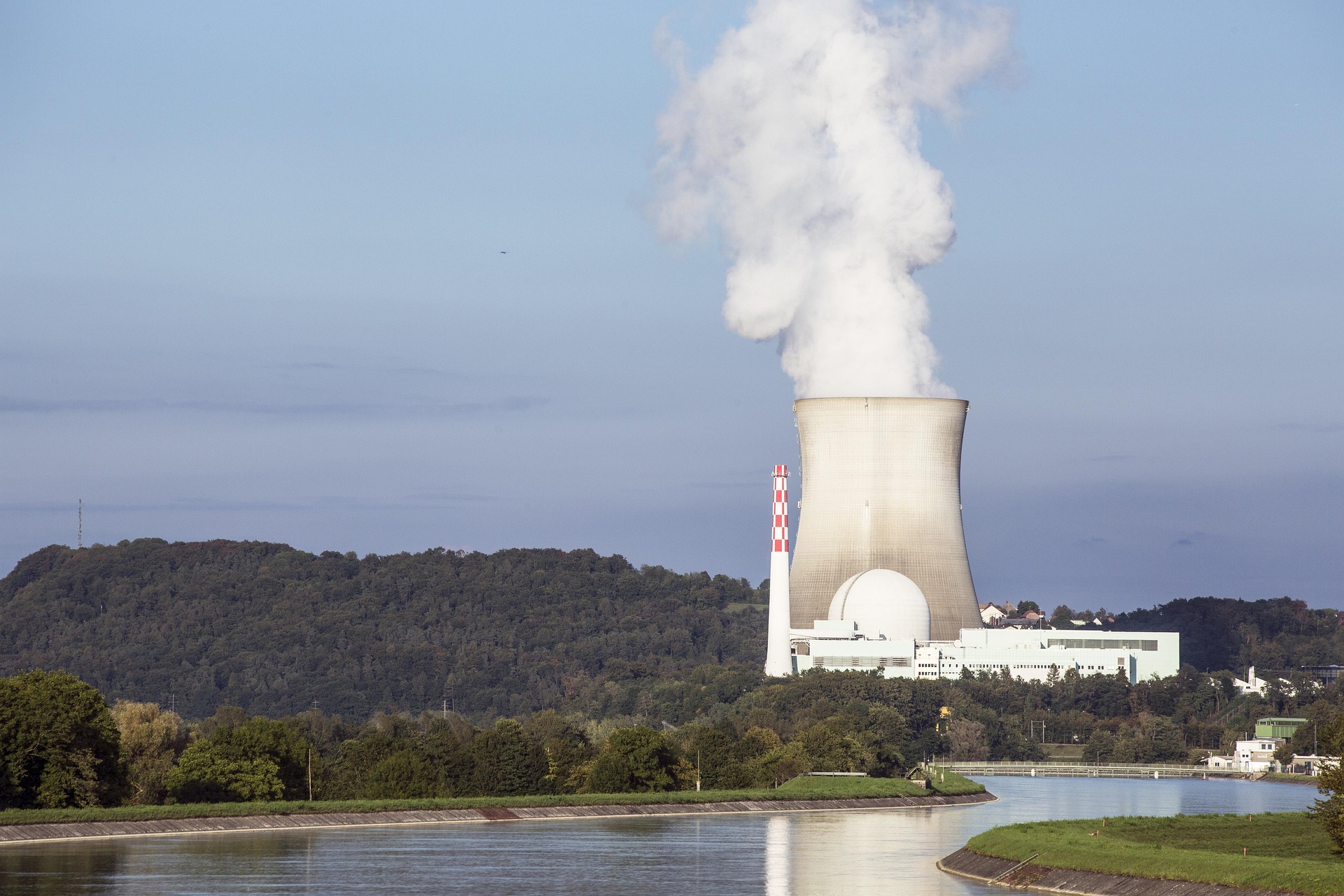
New Nuclear Power Market Overview
This webinar presents an overview of the new nuclear power market, including the leading technologies and their proposed applications. This in-depth discussion will span technological advances and overviews on the latest Generation 3+ Advanced Light Water Reactors, Generation 4 Non-Light Water Reactors, and Micro Reactor innovations. -

- Webinar
Solving Complex CVOC Problems with ISTR– Field Proven Approaches
This webinar will first discuss the unique aspects of performance-based designs when considering procurement of thermal remediation services. Next, we will discuss how to evaluate criteria when selecting performance objectives, i.e., “ how do you define success?” -

- Webinar
The National Spatial Reference System: Modernizing Our Geodetic Foundation for the Future
The National Geodetic Survey (NGS), within the National Oceanic and Atmospheric Administration (NOAA), is in the process of making the critical transition from the current National Spatial Reference System (NSRS) to the upcoming, modernized (2022) system.

Related TME Articles – Facility Asset Management
-

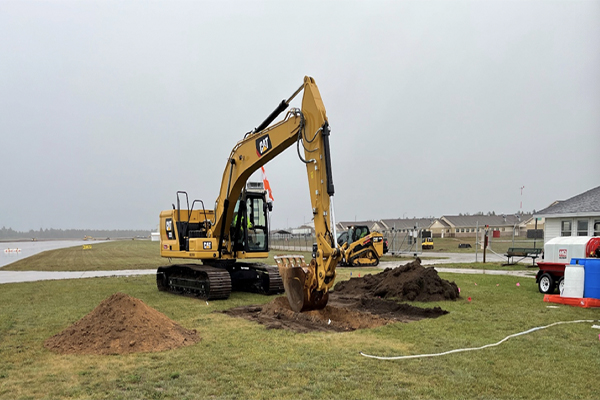
Eliminating PFAS Leaching at Camp Grayling
At Camp Grayling, a novel colloidal-activated carbon material was used as a horizontal barrier on a site where aqueous film-forming foam had previously been discharged to prevent PFAS from leaching into groundwater. -
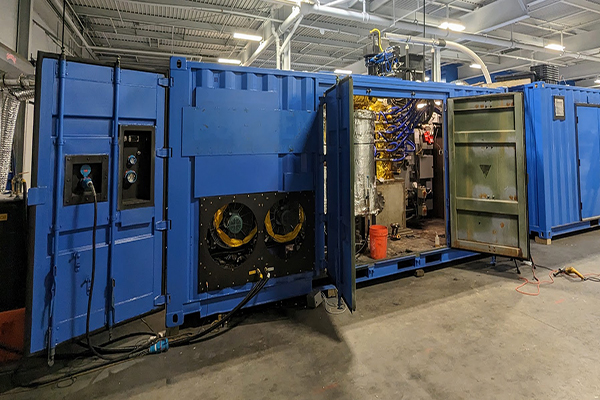
Reaching Sustainability Goals with Waste-to-Energy
The U.S. Army Engineer Research & Development Center’s Construction Engineering Research Laboratory is working to develop small-scale waste-to-energy systems that will advance installation sustainability and waste management. -
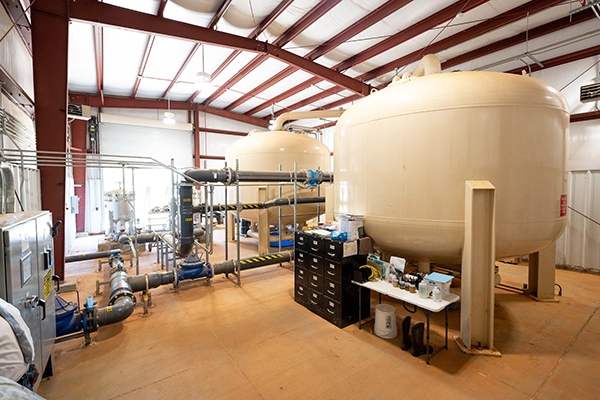
Investigating Emerging PFAS Destruction Technologies
Following recent interim guidance from the Department of Defense on how military organizations are to handle the destruction and disposal of PFAS, developing technologies that target the destruction of these forever chemicals hold possibilities for effective and efficient removal. -

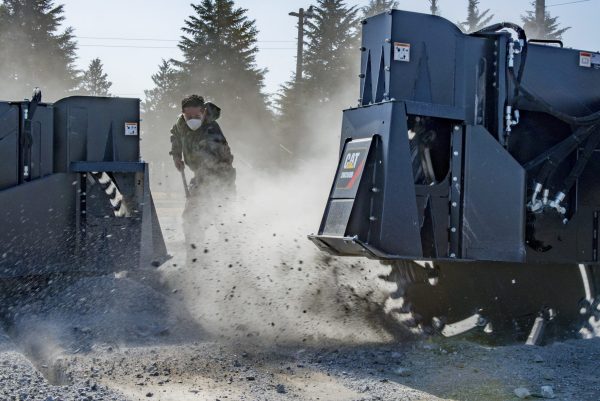
Managing Crystalline Silica
The risk of crystalline silica exposure is prevalent in operations associated with concrete and asphalt cutting (including runway repair), but improvements in engineering controls and personal protections can lower risks to personnel.