
Quick Links
Community Mission
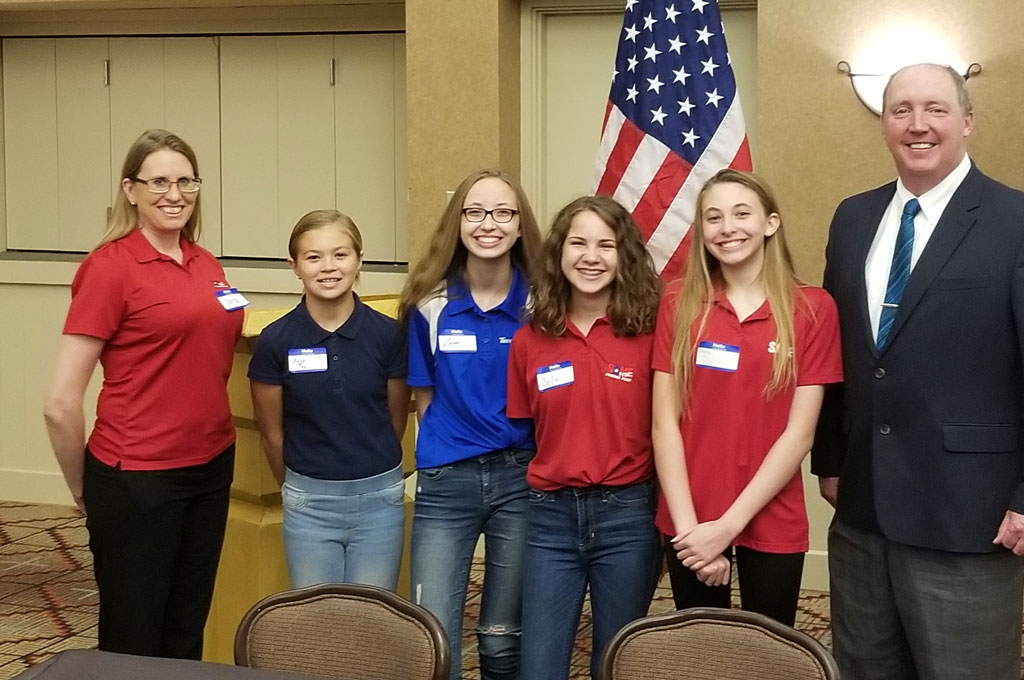
The K-12 STEM (Science, Technology, Engineering, and Mathematics) Outreach Community of Interest’s mission is to promote and support pathways to STEM degrees and STEM careers for K-12 students as part of the national strategic effort to produce more STEM professionals for the nation.
Join the SAME Engage K-12 STEM Outreach NetworkVision
The K-12 STEM Outreach Committee provides for the security of the nation by ensuring a robust STEM workforce.
Scope
K-12 students need to be exposed to STEM activities, degrees, and careers as they move up the academic ladder. The committee will work with the network of Posts, individual members, sustaining members, service branches, and strategic partners to increase opportunities for STEM exposure for K-12 students. The COI will also promote the Society’s STEM programming at local, regional, and national events, as resources allow.
Activities
- Categorize different examples of how the Post/individuals support K-12 STEM at the local level
- Identify and provide guest speakers/webinars on relevant topics
- Serve as a clearinghouse of STEM information
- Provide a calendar of STEM (SAME/Post and external) events and points of contacts
To learn more about the K-12 STEM Outreach Community of interest, contact a member of the Steering Committee, or reach out to Sarah Feighery, STEM Coordinator.

Community Chair
Victoria Hernandez
Program Manager, AFCEC
Immediate Past Community Chair
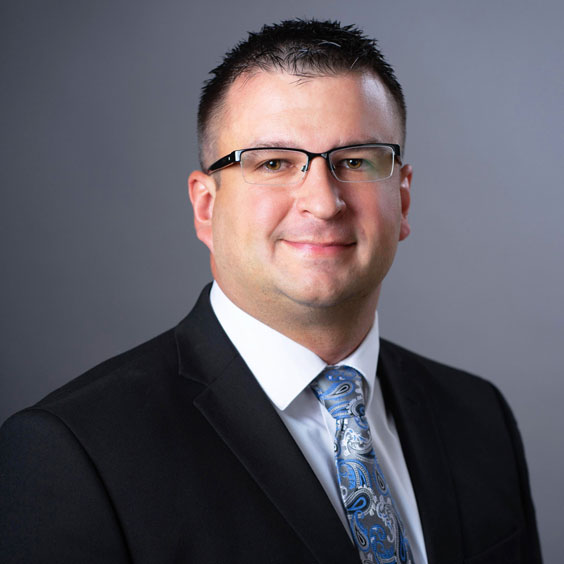
Joshua Graham, P.E., PMP, F.SAME
Project Manager, HDR
Vice Chair, Strategic Alliance: Jeffrey Leonard, PE, CFPS, F.SAME
Vice Chair Programs: Lexi Lessaris
Vice Chairs, Communications and Outreach: Zayda Shavkatova and Roger Minyami
Vice Chair, Awards and Recognition: Traci Dewar
Upcoming National Webinars
-

- Webinar
Progressive Design Build: A New Delivery Method Now Available
Progressive Design Build – New NDAA language. This webinar will help explain the fundamental shift in federal construction delivery and clarify the meaning and application of qualifications-based selection processes for construction. Our expert presenters will address what this model means to acquisition teams and how industry evaluates and responds to these opportunities. -

- Webinar
CMMC Pause: Compliance and Contract Risk Continue
The recent pause in CMMC Phase II delays the expansion of mandatory third-party assessments, but it does not eliminate applicable CMMC or underlying cybersecurity obligations, Phase I self-assessment requirements remain in force. -

- Webinar
Meeting the Growing Needs for Energy Supply & Energy Security
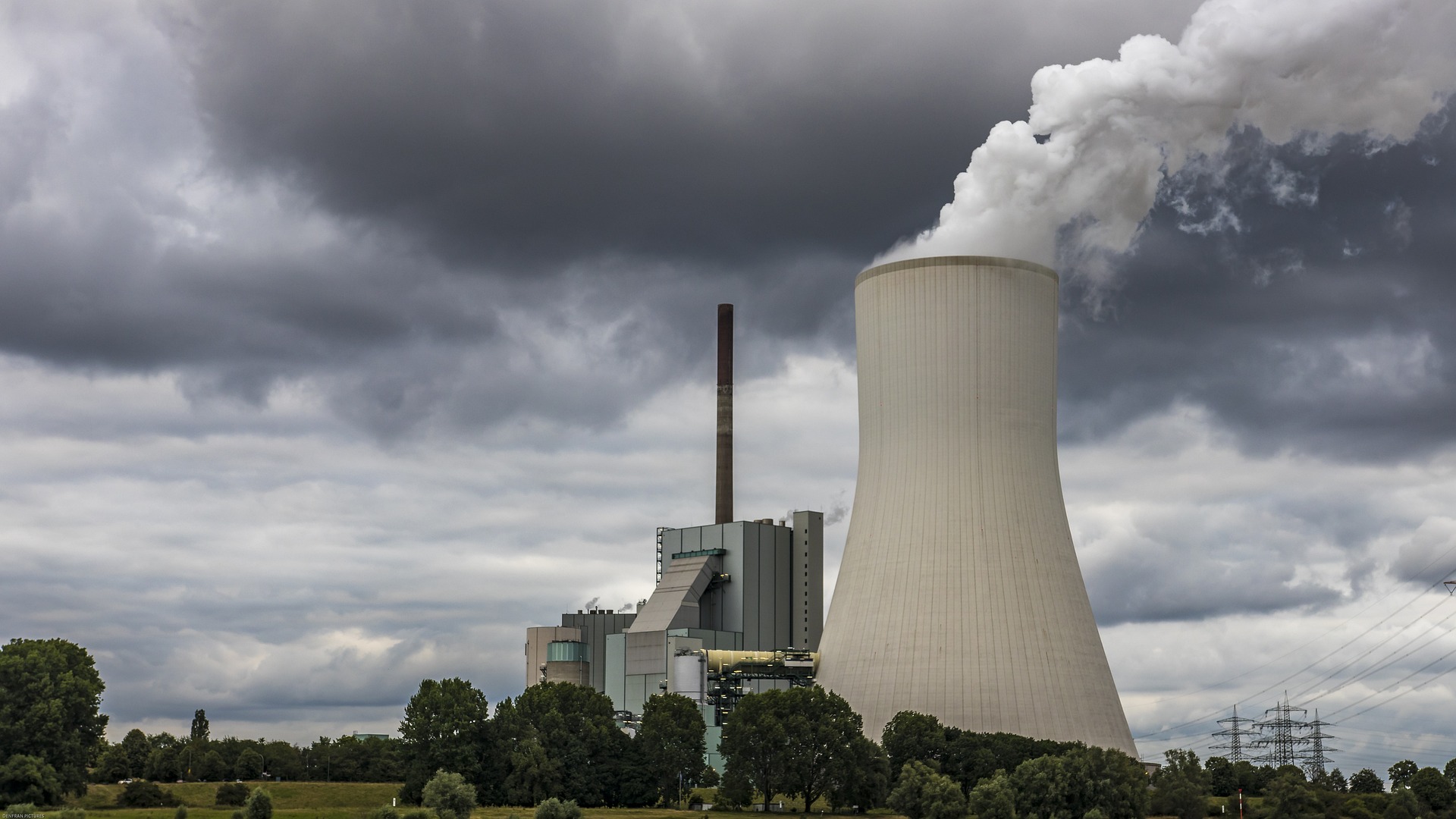
This webinar will provide a review of the electricity energy supply industry both globally and domestically. In the domestic analysis, the expert presenter will provide a detailed review of the evolution of the electricity energy supply and an analysis of recent trends at different time scales. -

- Webinar
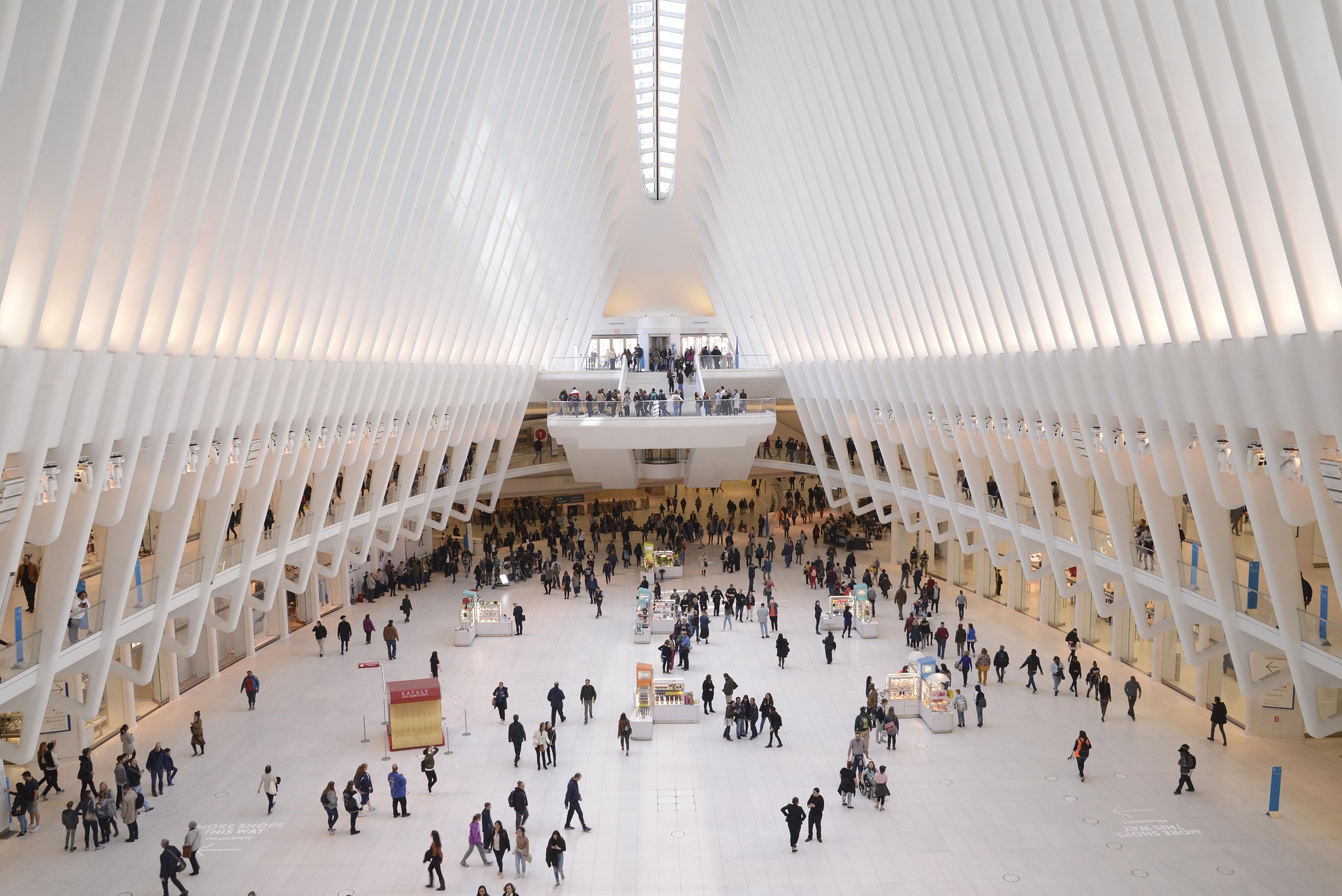
Lessons Learned from Post-9/11 World Trade Center and Lower Manhattan Transportation Planning and Design
The events of 9/11 devastated critical Lower Manhattan transportation systems. In the early planning and rebuilding of the World Trade Center site, the Port Authority of New York and New Jersey’s in-house planning and architectural leadership established a master plan framework which considered its impact far into the future. -

- Webinar
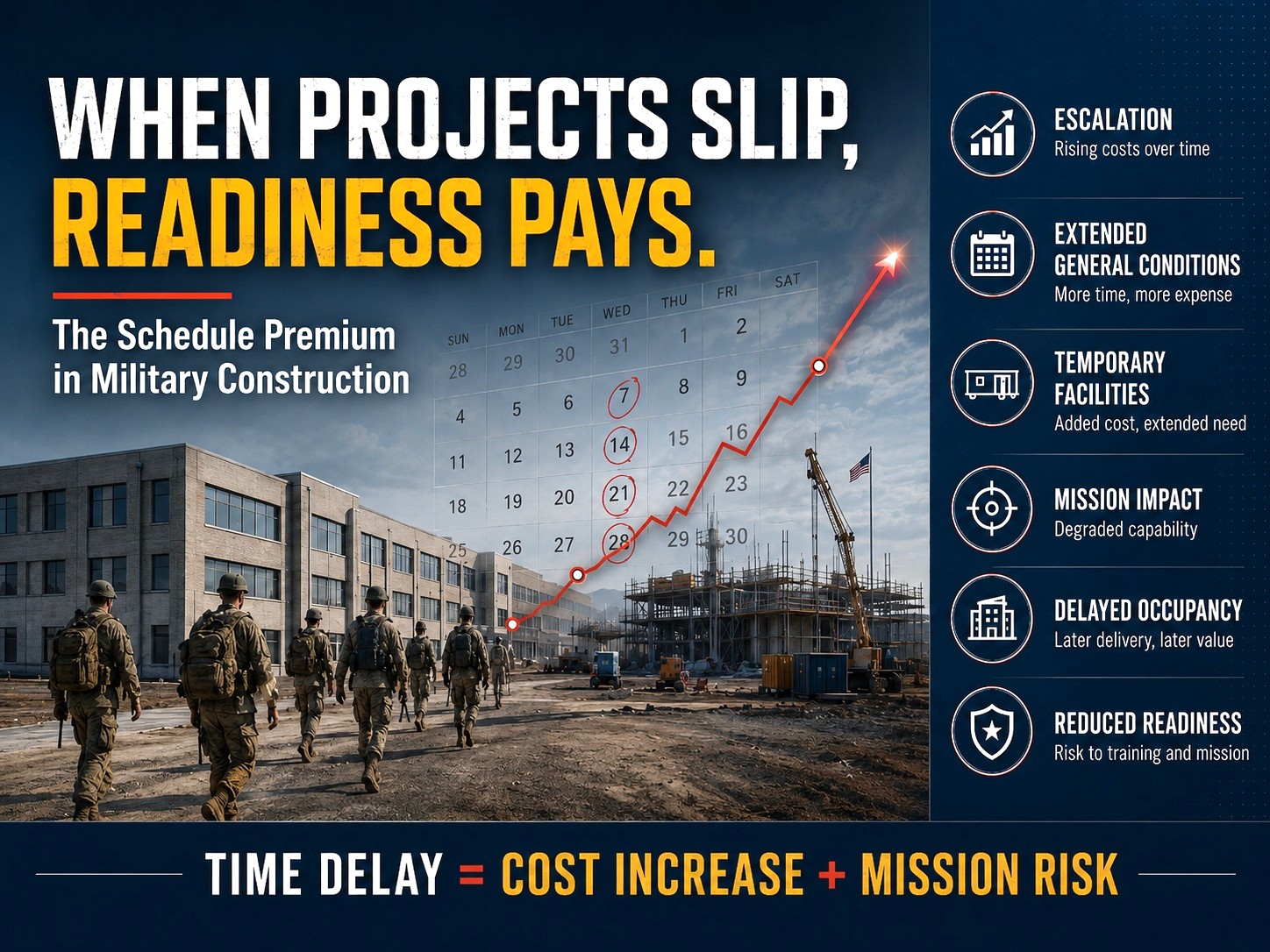
The Hidden Cost: Why Schedule is the Biggest MILCON Premium
Mountain Home AFB in Idaho currently uses groundwater to meet the base’s water needs. The aquifer that supplies the groundwater is rapidly depleting and is expected to run out of water in 30 years. This webinar provides an overview of the 15+ year effort to identify new water supplies and how the base chose to get water from the C.J. Strike Reservoir along the Snake River, 14 miles away.

Related TME Articles – K-12 STEM Outreach
-

Designing for the Unforeseeable
In the challenge of designing military buildings to resist progressive collapse, a revised technical approach offers a simplified way to arrive at a dependable estimate of material needed, potentially increasing cost controls on government projects. -

Revising the Arctic and Subarctic Design and Construction Guidelines
With a renewed focus on the Arctic and subarctic areas of the world due to evolving national security needs and changing environmental conditions, an effort to revise outdated construction and facility criteria for military infrastructure in these remote regions is well underway in preparation for future projects. -
A Cutting-Edge Aquatic Center: Delivered Through Creative Collaboration
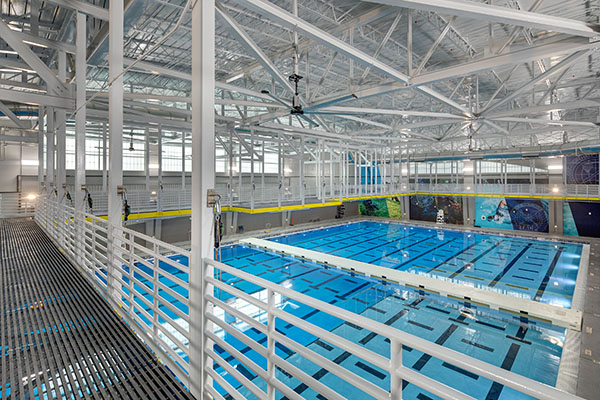
To construct a 76,000-ft2 state-of-the-art aquatic training center at Joint Base San Antonio-Lackland required overcoming various technical complexities and extensive teamwork between stakeholders. -
Sharpening MILCON Delivery Through the Design Charrette
A key element to improving military construction project delivery is the execution of high-quality charrettes—and the tools applicable to effective charrette facilitation can also be applied to industry-government engagements.