
Committee Mission
The SAME Membership Committee develops and communicates to all Posts the strategies, best practices, and tools that are most effective for them to grow their membership, to foster greater member engagement and leadership, and to enhance their members’ experience with SAME, further enabling each Post to support the current Strategic Plan of the Society.
Join the SAME Engage Membership NetworkOverview
As one of the “operational” Communities of Interest (vs. “technical” COIs), the Membership Committee serves as an extension of the national office staff to assist all Post leaders, especially Posts’ Membership Chairs/POCs, with the tools, resources and connections necessary to help enhance their members’ society experience through their locally relevant Posts. Between our COI members and the post membership chairs/POCs, invited to our calls and sponsored webinars, we are over 140 people strong across SAME.
SAME’s Membership Committee is open to any SAME member to participate. Unlike many of our other COIs that focus in on special professional and technical interest areas important to SAME members, the Membership COI provides participants with a broad-ranging opportunity to become involved at the national level. Our forum has the potential to positively impact the experience of every current and future member of the society as it pursues its strategic goals.
COI Objectives
- Provide opportunities to foster connections with other Post leaders across all sizes and post geographies
- Engage with best practices employed at other Posts by their leaders and members
- Share creative tools and resources aimed at improving post level retention and recruitment successes

Committee Chair
Lee Ann Zelesnikar, F.SAME
Organization Structure
Vice Chair, Tools & Resources: Dick Kochanek
Vice Chair, Strategic Direction: Shante Fields
Vice Chair, Communications: Summer Gladden, F.SAME
Staff Liaison: Jill Murphy
Webinar: Understanding the New Membership Structure
Military Membership – What’s in it for You?
Upcoming National Webinars

Related TME Articles – Membership
-

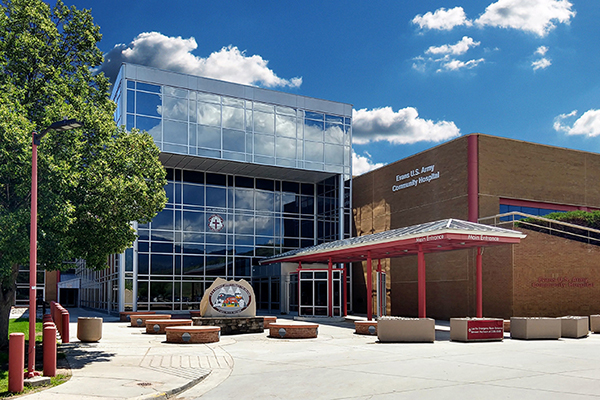
Seamless Synchronization and Strategic Planning: Aligning Data for Portfolio Management Success
A large-scale effort to realign data across 32.2-million-ft2 of Defense Health Agency medical centers is setting facility managers and owners up for success with more streamlined facility condition assessments and informed strategies. -
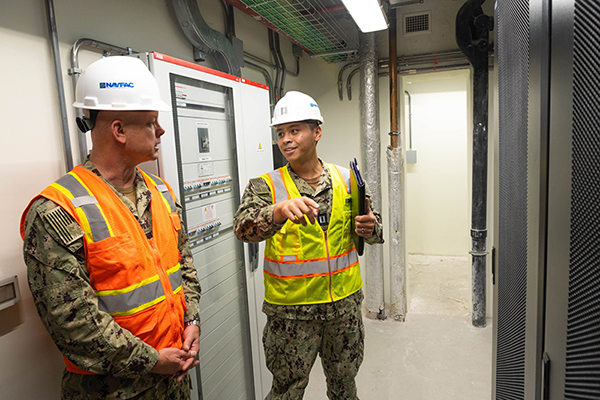
The Importance of a Commitment to Partnership
Overcoming the unexpected challenges that arose during a rehabilitation and modernization project at Naval Support Activity Naples demonstrates how an effective partnering program can transform potential obstacles into opportunities for innovation and success. -
Reducing Schedule Delays in Military Construction
Encountering delays in military construction projects is expensive and disruptive and all-too common, but by establishing a strong baseline schedule, resolving setbacks promptly, and using a “forward looking” analysis approach, these risks can be mitigated, for the benefit of all involved. -
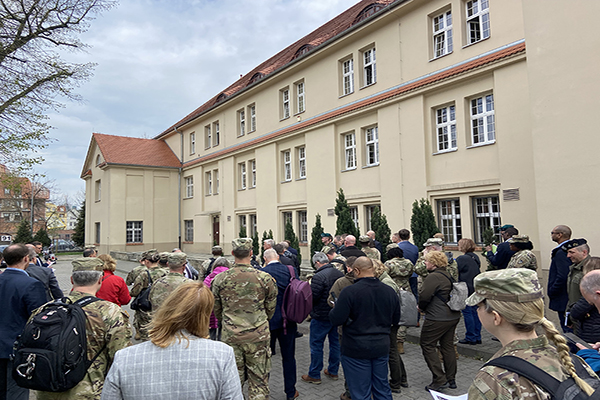
Ensuring a Successful Handoff in Poland
In order to smoothly transition from the planning phase to design work for a generational overseas strategic investment, Poland Provided Infrastructure, U.S. and Polish stakeholders engaged in a collaborative partnership and conducted planning with the design in mind.