
Quick Links
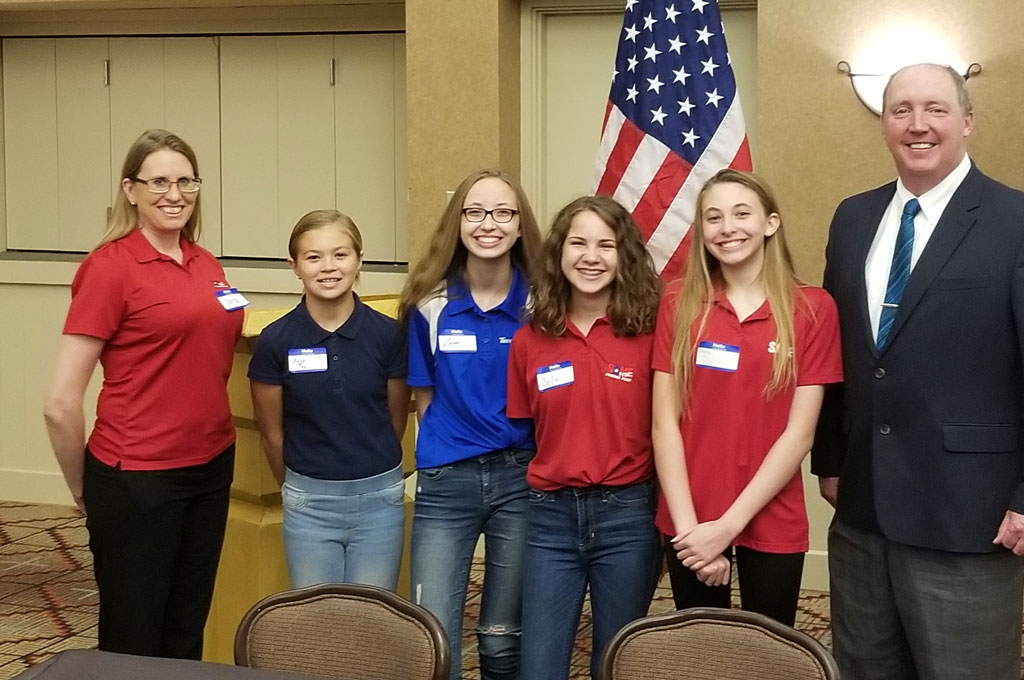
Community Mission
The K-12 STEM (Science, Technology, Engineering, and Mathematics) Outreach Community of Interest’s mission is to promote and support pathways to STEM degrees and STEM careers for K-12 students as part of the national strategic effort to produce more STEM professionals for the nation.
Join the SAME Engage K-12 STEM Outreach NetworkVision
The K-12 STEM Outreach Committee provides for the security of the nation by ensuring a robust STEM workforce.
Scope
K-12 students need to be exposed to STEM activities, degrees, and careers as they move up the academic ladder. The committee will work with the network of Posts, individual members, sustaining members, service branches, and strategic partners to increase opportunities for STEM exposure for K-12 students. The COI will also promote the Society’s STEM programming at local, regional, and national events, as resources allow.
Activities
- Categorize different examples of how the Post/individuals support K-12 STEM at the local level
- Identify and provide guest speakers/webinars on relevant topics
- Serve as a clearinghouse of STEM information
- Provide a calendar of STEM (SAME/Post and external) events and points of contacts
To learn more about the K-12 STEM Outreach Community of interest, contact a member of the Steering Committee, or reach out to Sarah Feighery, STEM Coordinator.

Community Chair
Victoria Hernandez
Program Manager, AFCEC

Immediate Past Community Chair
Joshua Graham, P.E., PMP, F.SAME
Project Manager, HDR
Vice Chair, Strategic Alliance: Jeffrey Leonard, PE, CFPS, F.SAME
Vice Chair Programs: Lexi Lessaris
Vice Chairs, Communications and Outreach: Zayda Shavkatova and Roger Minyami
Vice Chair, Awards and Recognition: Traci Dewar
Upcoming National Webinars
-

- Webinar
Progressive Design Build: A New Delivery Method Now Available
Progressive Design Build – New NDAA language. This webinar will help explain the fundamental shift in federal construction delivery and clarify the meaning and application of qualifications-based selection processes for construction. Our expert presenters will address what this model means to acquisition teams and how industry evaluates and responds to these opportunities. -

- Webinar
CMMC Pause: Compliance and Contract Risk Continue
The recent pause in CMMC Phase II delays the expansion of mandatory third-party assessments, but it does not eliminate applicable CMMC or underlying cybersecurity obligations, Phase I self-assessment requirements remain in force. -

- Webinar
Meeting the Growing Needs for Energy Supply & Energy Security
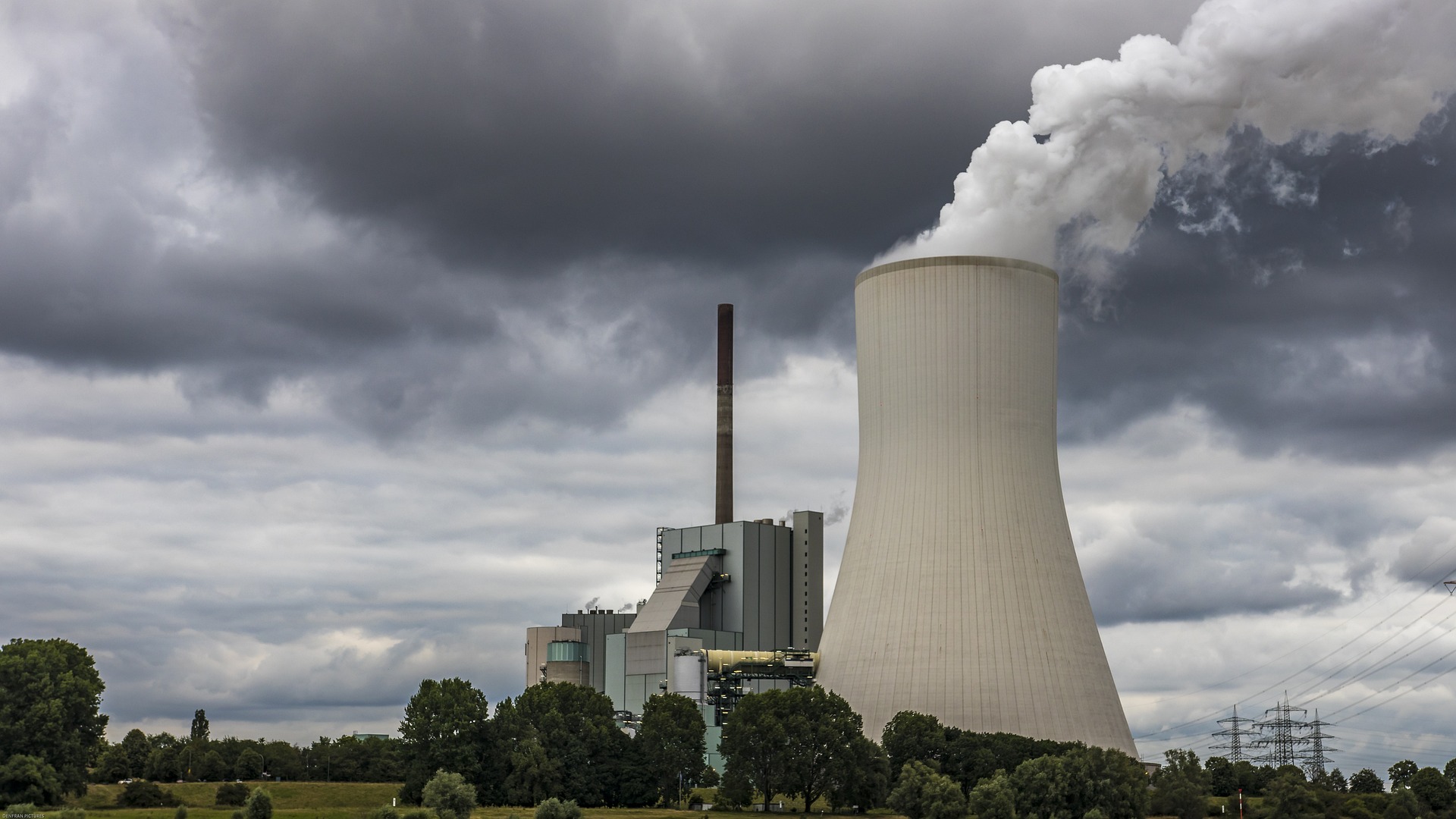
This webinar will provide a review of the electricity energy supply industry both globally and domestically. In the domestic analysis, the expert presenter will provide a detailed review of the evolution of the electricity energy supply and an analysis of recent trends at different time scales. -

- Webinar
Lessons Learned from Post-9/11 World Trade Center and Lower Manhattan Transportation Planning and Design
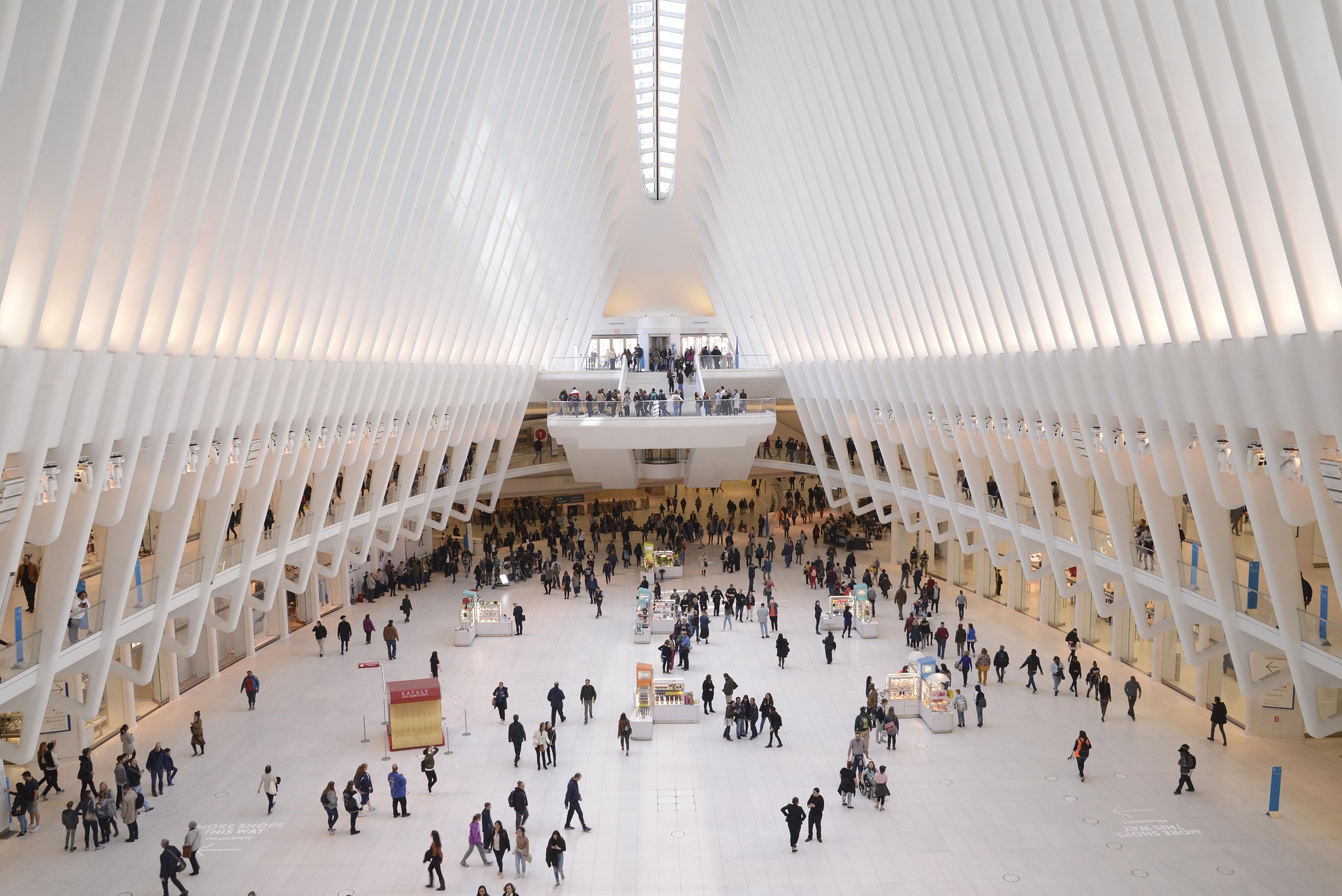
The events of 9/11 devastated critical Lower Manhattan transportation systems. In the early planning and rebuilding of the World Trade Center site, the Port Authority of New York and New Jersey’s in-house planning and architectural leadership established a master plan framework which considered its impact far into the future.


Related TME Articles – K-12 STEM Outreach
-

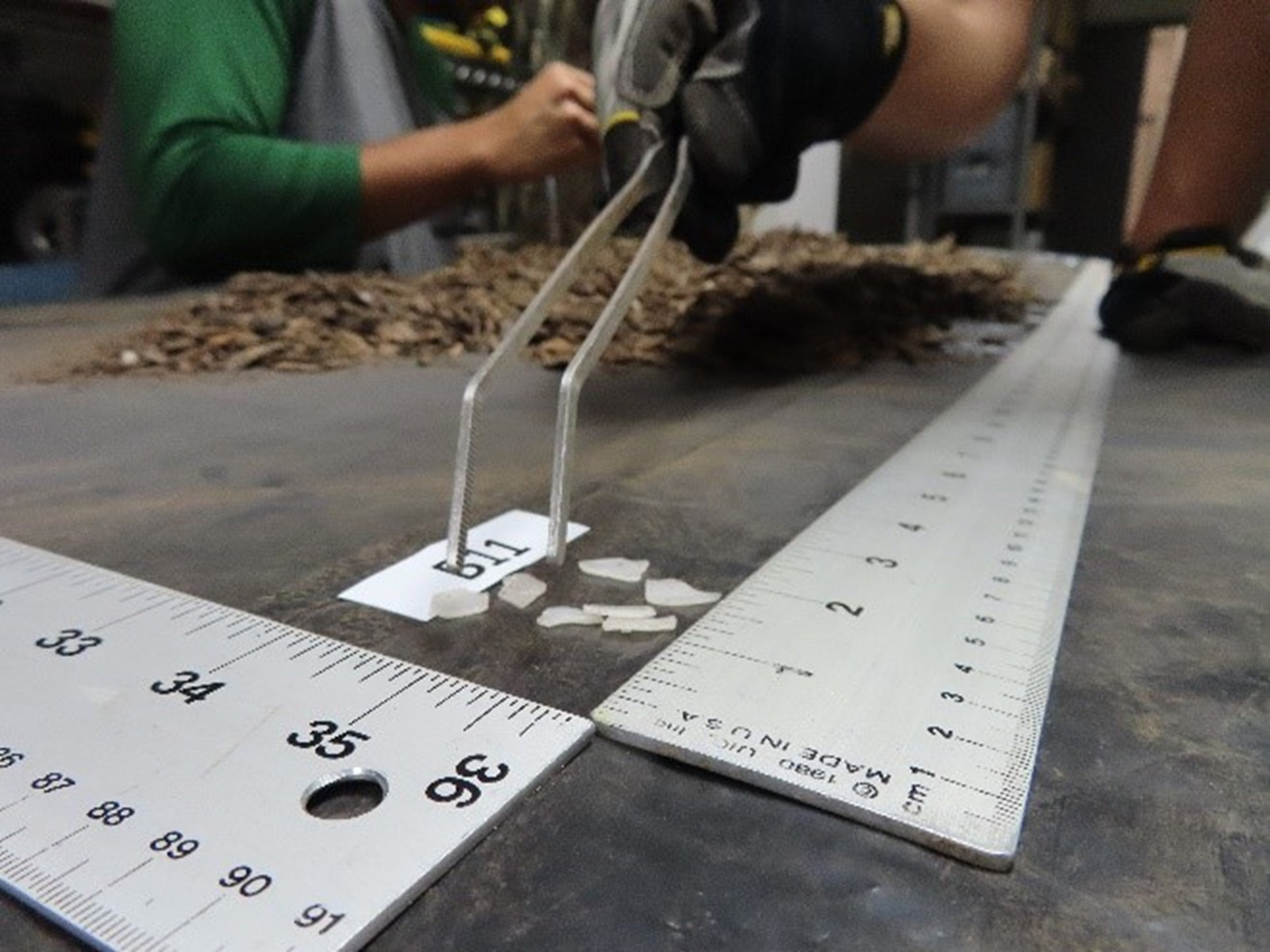
Composting Bioplastic Waste in Expeditionary Environments
A research team at the U.S. Army Engineer Research & Development Center’s Construction Engineering Research Laboratory studied the compostability of bioplastics under expeditionary conditions in order to help reduce plastic waste and support policy targets for source reduction and diversion. -

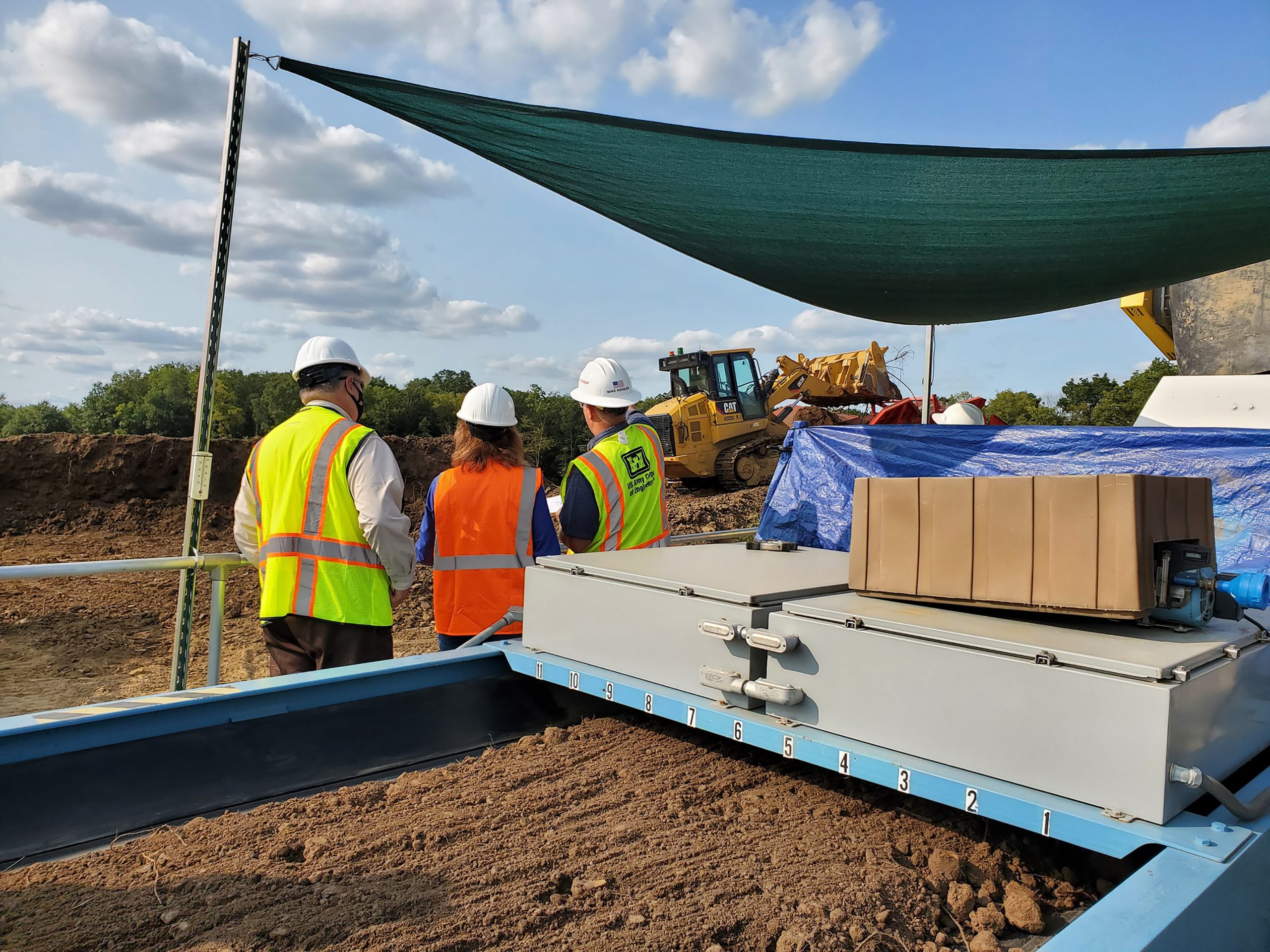
Reducing Waste Through Soil Sorting
Soil sorting systems capable of screening the debris generated at remediation projects for the presence of contaminants can greatly reduce the volume needed for off-site transport and disposal. -

Leveraging Geophysical Technology for Military Munitions Remediation
At a densely forested and protected area within the Camp Croft Formerly Used Defense Site, advanced geophysical classification is being used to implement a large-scale, complex military munitions remedial action. -

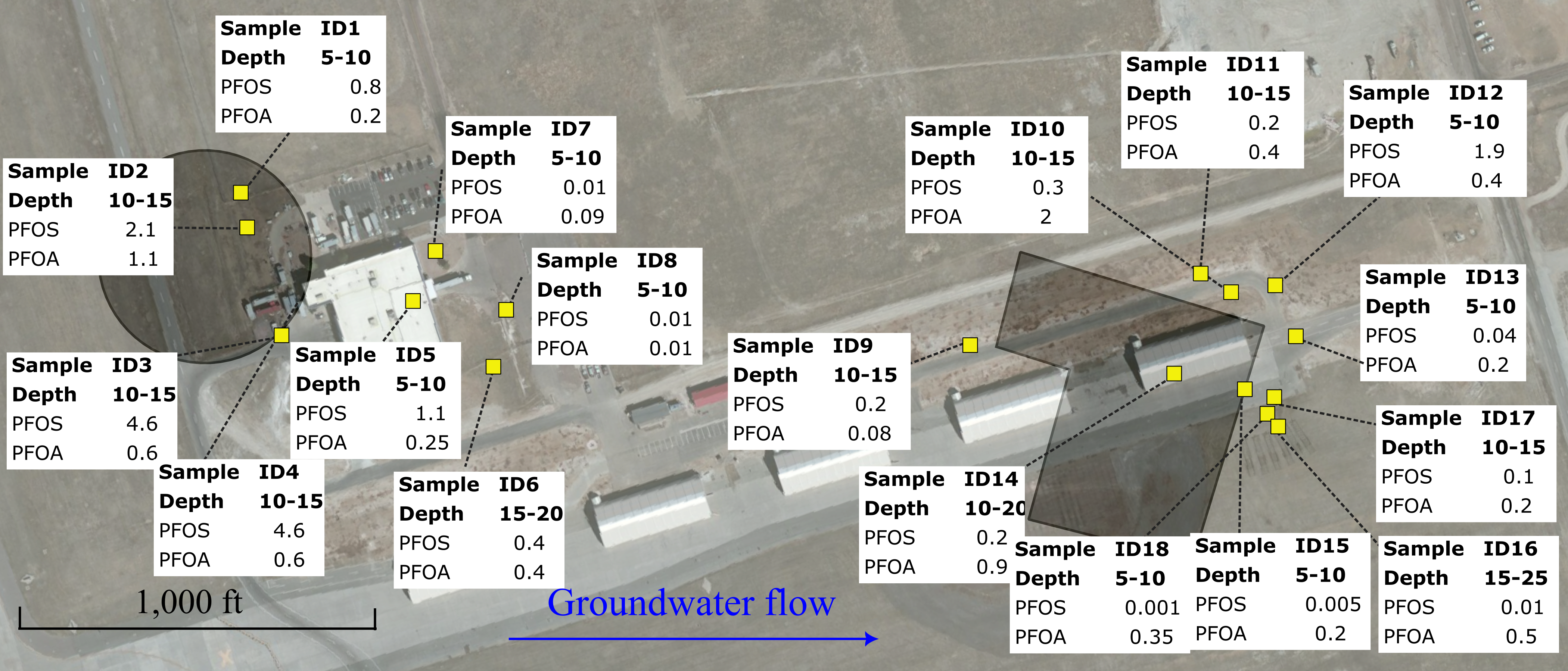
Rethinking How PFAS Data is Presented
Utilizing knowledge-dense figures for sites impacted by per- and polyfluoroalkyl substances allows for a more comprehensive assessment, improves understanding of sources and distribution, and better informs cleanup decisions.