
Committee Mission
The SAME Membership Committee develops and communicates to all Posts the strategies, best practices, and tools that are most effective for them to grow their membership, to foster greater member engagement and leadership, and to enhance their members’ experience with SAME, further enabling each Post to support the current Strategic Plan of the Society.
Join the SAME Engage Membership NetworkOverview
As one of the “operational” Communities of Interest (vs. “technical” COIs), the Membership Committee serves as an extension of the national office staff to assist all Post leaders, especially Posts’ Membership Chairs/POCs, with the tools, resources and connections necessary to help enhance their members’ society experience through their locally relevant Posts. Between our COI members and the post membership chairs/POCs, invited to our calls and sponsored webinars, we are over 140 people strong across SAME.
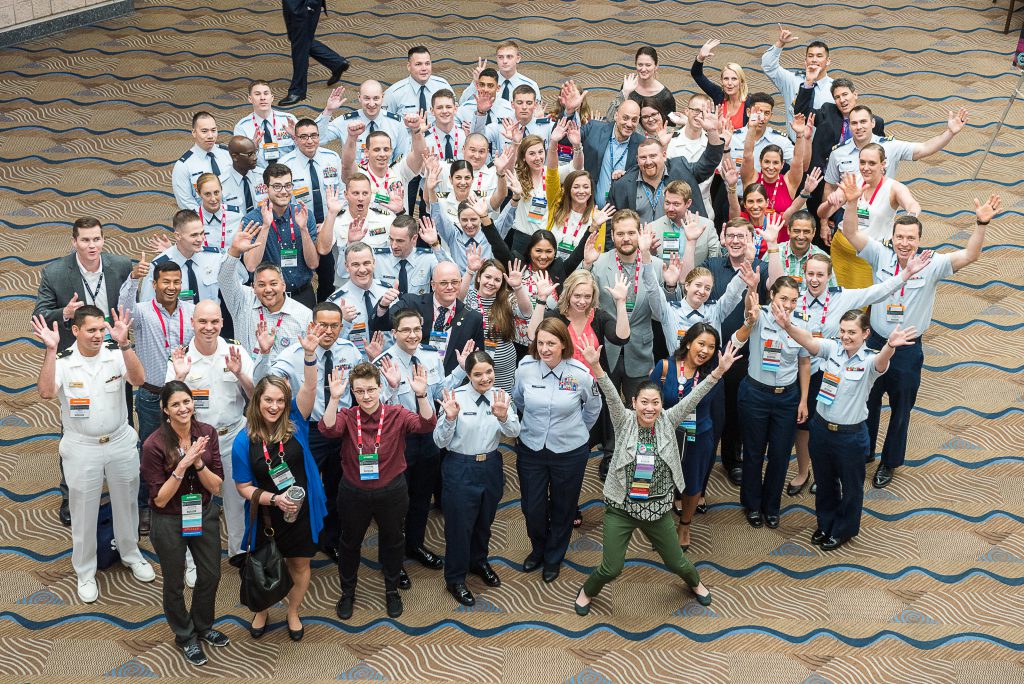
SAME’s Membership Committee is open to any SAME member to participate. Unlike many of our other COIs that focus in on special professional and technical interest areas important to SAME members, the Membership COI provides participants with a broad-ranging opportunity to become involved at the national level. Our forum has the potential to positively impact the experience of every current and future member of the society as it pursues its strategic goals.
COI Objectives
- Provide opportunities to foster connections with other Post leaders across all sizes and post geographies
- Engage with best practices employed at other Posts by their leaders and members
- Share creative tools and resources aimed at improving post level retention and recruitment successes
Committee Chair
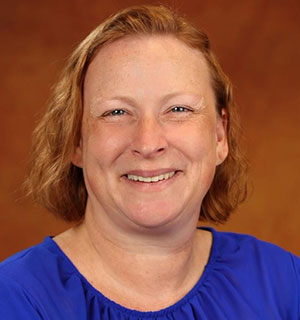
Lee Ann Zelesnikar, F.SAME
Organization Structure
Vice Chair, Tools & Resources: Dick Kochanek
Vice Chair, Strategic Direction: Shante Fields
Vice Chair, Communications: Summer Gladden, F.SAME
Staff Liaison: Jill Murphy
Webinar: Understanding the New Membership Structure
Military Membership – What’s in it for You?
Upcoming National Webinars
Related TME Articles – Membership
-

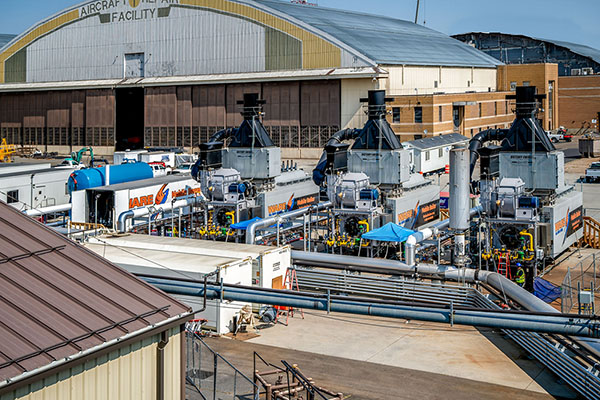
Powering Operations at Hill AFB
A temporary boiler plant installed at Hill AFB, achieved through a design-build approach that allowed for onsite completion in 90 days, ensured uninterrupted continuance of critical services during the large-scale modernization of the installation’s permanent steam plant. -
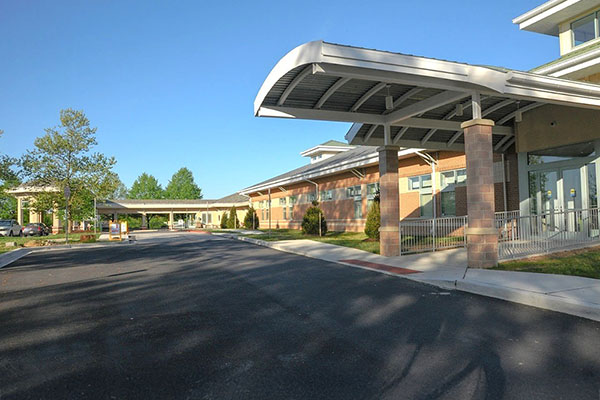
Enhancing Efficiency and Resilience in Support of Veterans Care
A redesigned boiler plant for the Loch Raven VA Medical Center will result in a centralized system that enhances operational efficiency, reduces long-term costs, and ensures the facility can provide support to those who served. -

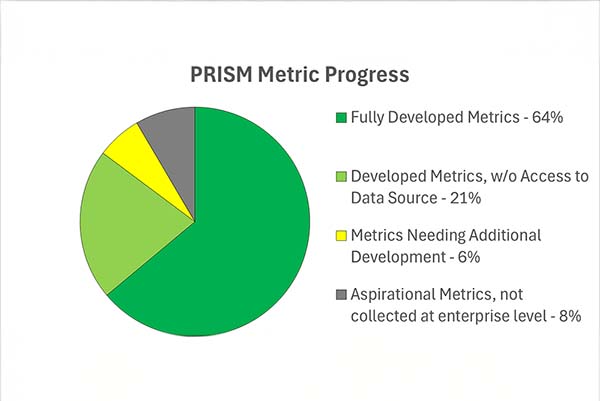
Measuring Readiness for Power Projection Platforms
A cross-functional working group established by the Air Force Installation & Mission Support Center set out to validate and operationalize a new infrastructure readiness tool that would be designed to monitor installations as power projection platforms. -
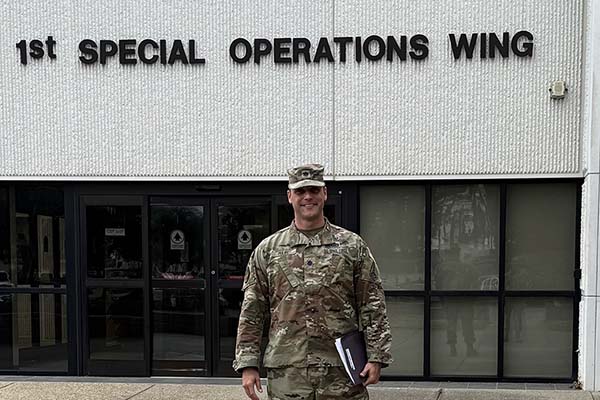
Building Futures with SkillBridge
A program within the Defense Department allows businesses to engage servicemembers during their final 180 days of military service in preparation for their transition into the civilian world—delivering a mutually beneficial arrangement for both America’s veterans and participating organizations.