
Community Mission
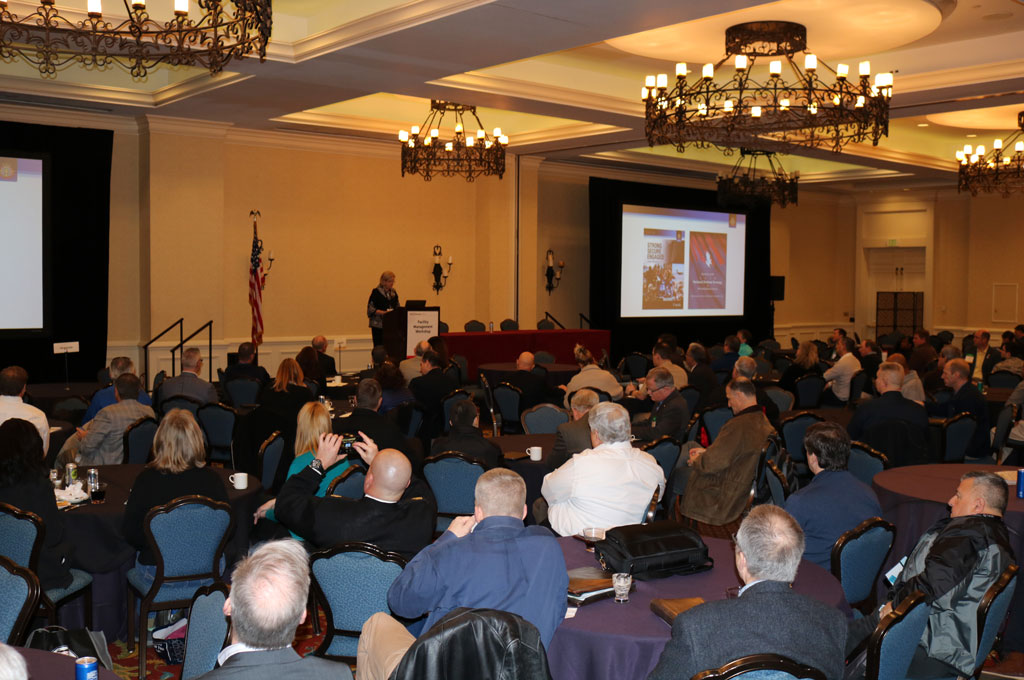
The mission of the Infrastructure Readiness (IR) Community of Interest is to enhance the efficient, effective, and sustainable stewardship of federal facilities. We achieve this by connecting Department of Defense and industry leaders with those seeking knowledge in asset management (AM), providing a collaborative platform for sharing resources, technologies, and strategies that support informed decision-making and risk management. Through research, advocacy, and professional development, we address current and future challenges in facility management to ensure long-term success.
Join the SAME Engage IR NetworkCOI Objectives
- Foster Knowledge Sharing: Provide a platform for Department of Defense and industry leaders to exchange knowledge, resources, and best practices in asset management (AM).
- Promote Collaboration: Facilitate partnerships between industry, government agencies, and FAM thought leaders to address the challenges posed by constrained funding, hybrid workspaces, and extreme weather impacts.
- Expand Learning Opportunities: Offer a variety of forums, including webinars, the FAM Session Track, and the FAM Forum at JETC, for continuous learning and professional development.
- Leverage Cutting-Edge Technologies: Collaborate through the Geospatial Working Group on advanced technologies such as digital surveying, 3D modeling, and site picture generation.
- Support a National Asset Management Mission: Engage in the ongoing national effort to enhance asset management practices and drive innovation across industries.
Community Chair
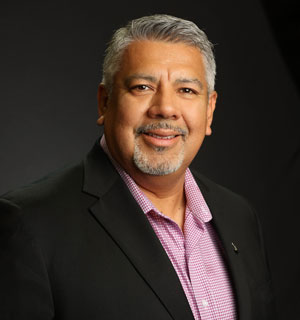
Rigo Cisneros, Jacobs
Vice Chair: Vacant
Immediate Past Chair: Michael Zapata, AFCEC
Management and Strategy Chair: Jeff Freemyer, ManTech
Operations and Maintenance Chair: Rigo Cisneros, Jacobs
Programs and Education Chair: Matt Anderson, AtkinsRealis
Communications Chair: Carole Mahady, LMI
Vice Chair, Technology & Innovation: Jeff Freemyer, ManTech
Post Liaison: Vacant
Young Professionals Liaison: Tim Cunningham, Fisher Engineering
JETC FIAM Session Track Chair: Tim Cummingham, Fisher Engineering
SAME National Office POC: Ree Miskimon, FSMPS
IR COI Working Groups
Chair, Doug Kaiser
Chair, Mike Grussing
Upcoming Events
Upcoming National Webinars
-

- Webinar
Progressive Design Build: A New Delivery Method Now Available
Progressive Design Build – New NDAA language. This webinar will help explain the fundamental shift in federal construction delivery and clarify the meaning and application of qualifications-based selection processes for construction. Our expert presenters will address what this model means to acquisition teams and how industry evaluates and responds to these opportunities. -

- Webinar
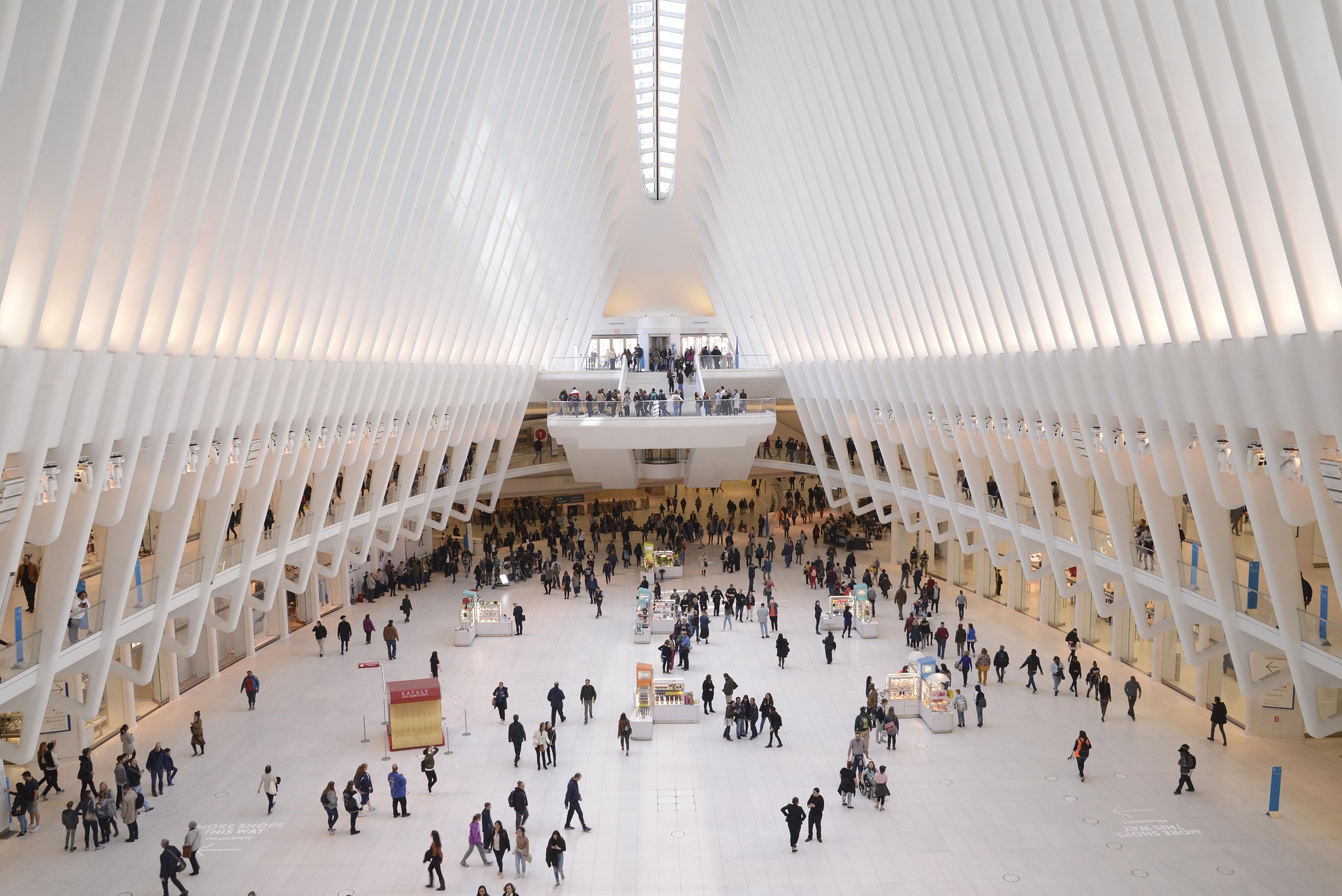
Lessons Learned from Post-9/11 World Trade Center and Lower Manhattan Transportation Planning and Design
The events of 9/11 devastated critical Lower Manhattan transportation systems. In the early planning and rebuilding of the World Trade Center site, the Port Authority of New York and New Jersey’s in-house planning and architectural leadership established a master plan framework which considered its impact far into the future.
Related TME Articles – Infrastructure Readiness
-

Building a Common Operating Picture of Facilities, Infrastructure, and Terrain
With an increasing need for commanders to have an understanding of infrastructure and the physical environment both on and off the battlefield, geospatial engineers must be able to provide a global, holistic, and cohesive view through tools like the Joint Engineer Common Operating Picture. -
Meeting Data-Intensive Challenges With Narrow AI
When considering solutions for targeted, data-intensive problems, such as a recent challenge undertaken by the Air Force Civil Engineer Center to predict construction project priorities, the use of traditional narrow artificial intelligence still beats emerging technologies. -
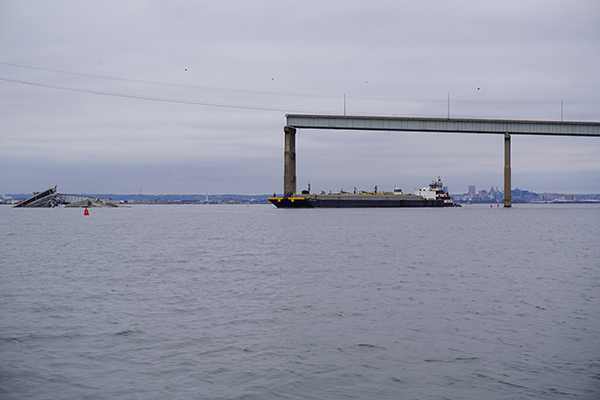
Leveraging Geospatial Data Tools on the Key Bridge Response
In carrying out the joint response after the Key Bridge collapse, the U.S. Coast Guard and other partner agencies leveraged both internal and external geographic information system expertise to provide data-sharing and near real-time monitoring capabilities. -
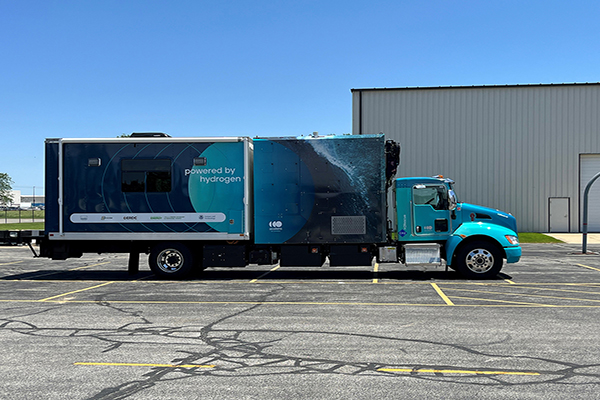
A Hydrogen Fuel Cell Vehicle for Austere Environments
An innovative fuel cell emergency vehicle developed by the U.S. Army Engineer Research & Development Center can provide exportable power, water, and a climate-controlled command center on a zero-emission platform to aid in humanitarian assistance and disaster relief efforts where sites lack utilities and infrastructure.