Community Mission
The mission of the SAME Warfighter Engineering Community of Interest (COI) is to facilitate discussion among the military services and industry on current joint engineer operations and the issues that need to be addressed for future joint engineer operations.
- Include combatant command engineers, field commanders, training center commanders and supporting contractors.
- Facilitate discussion among the Engineer Officer training centers at AFIT, AES, CECOS and the Marine Corps Center of Excellence on training and education of engineer forces to support the combatant commanders.
The desired end state is the increased relevancy of SAME within the Joint Force and Component Engineer Communities while supporting Contingency Operations.
Latest Warfighter Engineering Webinar
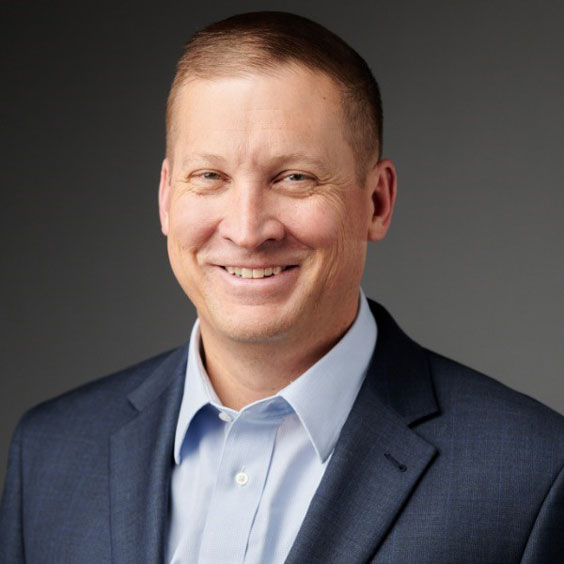
Community Chair
Col. Matthew Beverly, P.E., USAF,
JTF NCR Liaison
Organization Structure
Vice Chair: Todd Graham
Vice Chair: Arpan Patel
Immediate Past Chair: Richard Sloop, P.E., Fluor Mission Solutions
Vice Chair, Technology & Innovation: LT Ramya Shah, NAVFAC
Secretary: Vacant
Joint Engineer Doctrine and Policy: Chuck Kubic, RADM, CEC, USN (ret)
Program and Events: Wayland Patterson
Engineer Schools: Edward Lefler, P.E., PMP, F.SAME, LTC, USA (Ret.)
Communication: Sam Barnett
JOEB Liaison: Dominic J. Sparacio, P.E., Engineer Capabilities & Doctrine, J-45 Engineer Division
Upcoming National Webinars
Related TME Articles – Warfighter Engineering
-

The Federal Contractor Reimagined
Innovation Theater presented by Federal Solutions Company. Through a pioneering model that unifies technical trades, expands national reach, and absorbs risk that is traditionally carried by general contractors, FSC has become one of the most agile and valuable partners in mission-critical and national defense construction. -
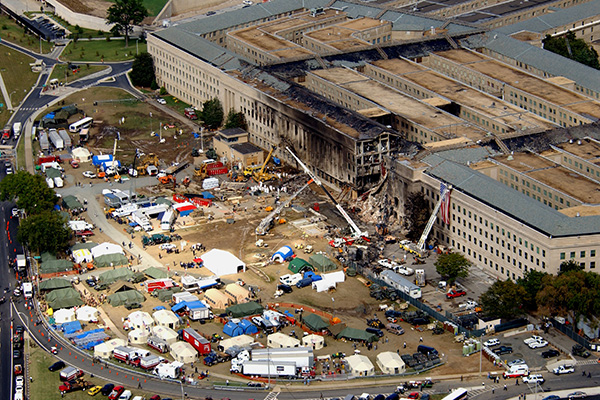
ENGINEERS IN CRISIS: The 9/11 Pentagon Response
When a hijacked Flight 77 crashed into the Pentagon on the morning of Sept. 11, 2001, a specially trained military engineering unit based at Fort Belvoir was among the first groups to respond—and its adaptive readiness and selfless service epitomize the legacy of all who swear to “honor and defend the Constitution of the United States against all enemies foreign and domestic.” -
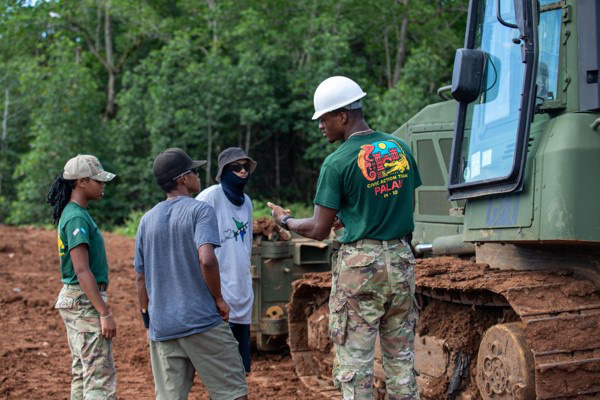
Engineering Diplomacy in Palau
As part of a recent deployment to the Republic of Palau, the U.S. Army’s Civic Action Team 84-10 completed a series of community-focused engineering projects that not only delivered critical infrastructure support but strengthened trust and host-nation relationships in an important strategic area of the globe. -
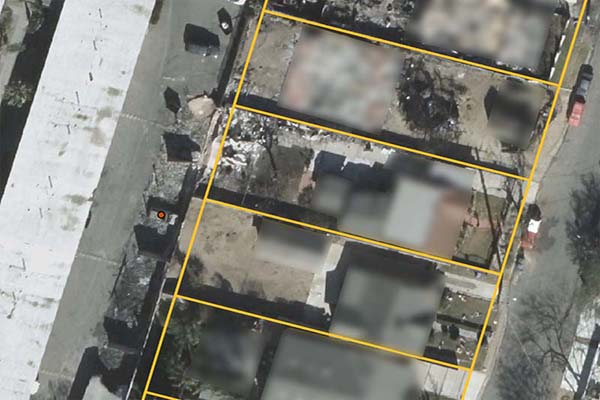
Scaling AI to Support Wildfire Debris Recovery
To support debris removal operations following the 2025 Los Angeles wildfires, an AI-assisted approach initially used as part of wildfire recovery efforts in Maui was scaled up for parcel-level vehicle detection across a larger, more complex debris removal environment.