Community Mission
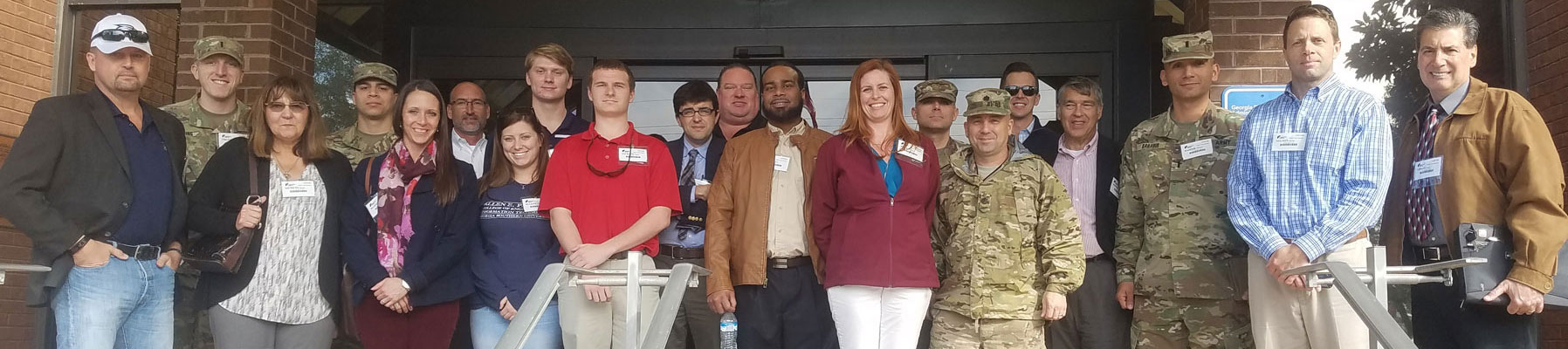
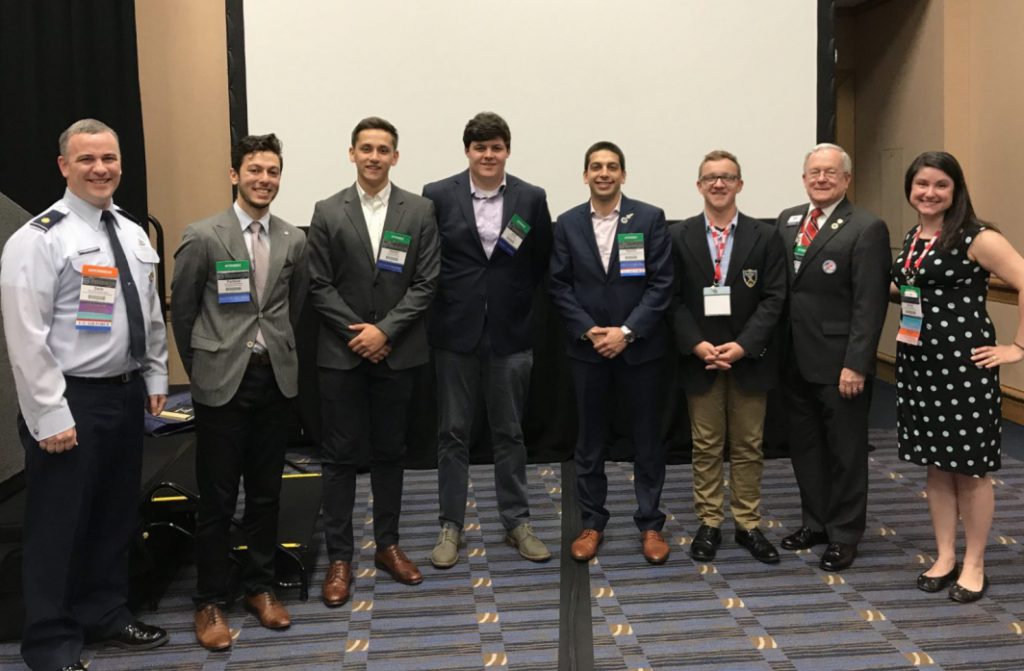
The College Outreach Community leads collaborative efforts between SAME and academia to identify and resolve national security infrastructure-related challenges and supports Post’s efforts to mentor and develop future STEM professionals at the collegiate-level. The community serves as a bridge between academia, Posts, government (military and civilian), and the private sector. The community provides guidance to the network of student chapters across the Society, promotes internship opportunities from SAME sustaining members, and will establish a new engineering competition for students designed to address the nation’s grand challenges.
Overview
The SAME College Outreach Community strives to organize programs and present opportunities to future military and civilian members of the A/E/C profession that will foster networking within their professional community, build leadership skills, and provide job opportunities to recent graduates. Additionally, students with an active membership within SAME have at their disposal a wealth of knowledge and experiences from professionals throughout the A/E/C community of practice.
Executive Community Structure
Vice Chairs
Danielle Hughes, Communications
Jeffrey Allen, Academia Engagement
Staff Liaison
Sarah Feighery, Program Manager
2026 SAME Undergraduate Innovation Design Challenge
Submissions for the 2025-26 SAME Undergraduate Innovation Design Challenge are due by February 6, 2026. This competition, led by the College Outreach COI, evaluates design projects that are being developed by student members as part of their degree curriculums and highlights the innovative thinking of the next generation of STEM professionals.
Learn more about the Innovation Design ChallengeUpcoming National Webinars
-

- Webinar
Surprising Stories About Camp David’s Unique History
Do you know the original name of Camp David? Do you know its historic role in the WW-2 D-Day invasion, or even where the secret presidential retreat is located? Please join us for this compelling webinar presented by a former commander of Camp David who will answer these questions and provide scores of other interesting facts and stories about the 84-year-old mountaintop refuge. -

- Webinar
The Latest in HRSC: Real-Time Data and Remedial Alternatives
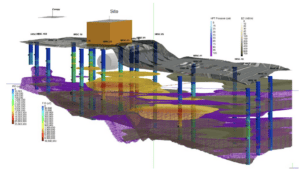
The process of High-Resolution Site Characterization (HRSC) continues to evolve, giving environmental professionals faster, more defensible ways to understand and remediate contaminated sites. -

- Webinar
How Global Flood Data Drives Infrastructure Resilience and Emergency Management
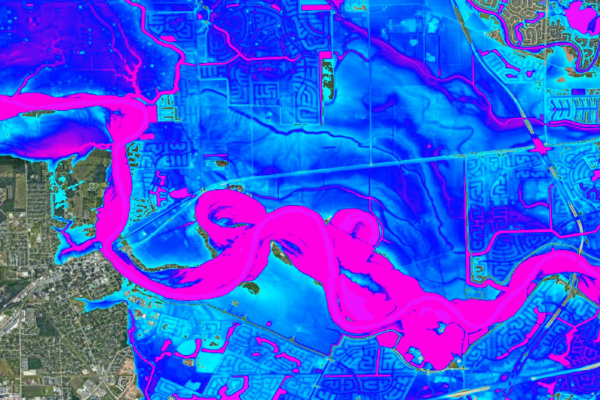
Utilizing physics-based 2D hydraulic modeling and climate-conditioned flood datasets can deliver actionable and scalable risk intelligence for infrastructure resilience and emergency management

Related TME Articles – College Outreach
-
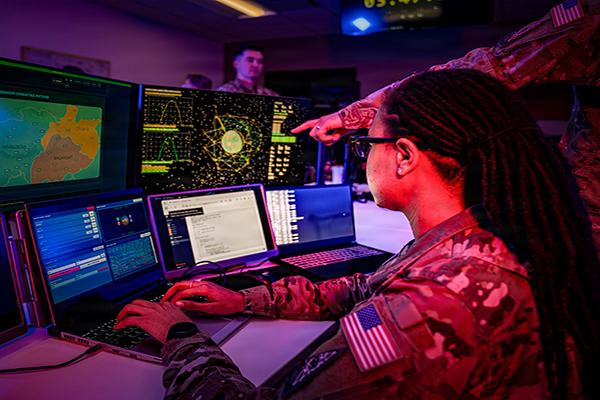
Applying Warfighting Principles to Cyber Resilience
Engineering teams can strengthen cyber resilience within military infrastructure by applying warfighting principles to their cybersecurity practices while ensuring full integration into systems and maintenance cadences. -
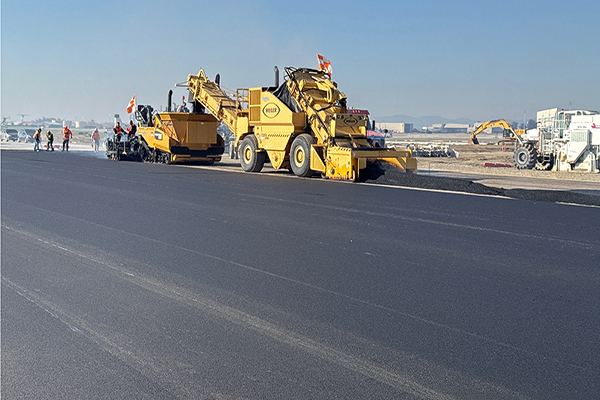
Maintaining Mission Readiness at Travis AFB
A project to reconstruct Runway 21R/03L at Travis AFB leveraged technical expertise and constant communication to deliver uninterrupted operations amid strict environmental constraints and unforeseen subsurface conditions. -
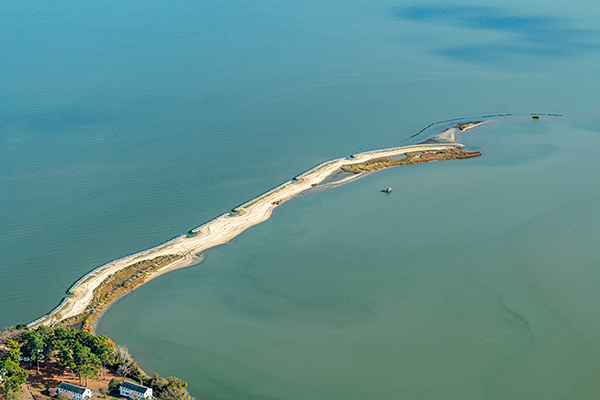
Advancing Resilience Against Accelerating Threats
To counter increasing challenges from coastal flooding, erosion, and natural disasters, military installations can employ natural systems and hybrid infrastructure. -
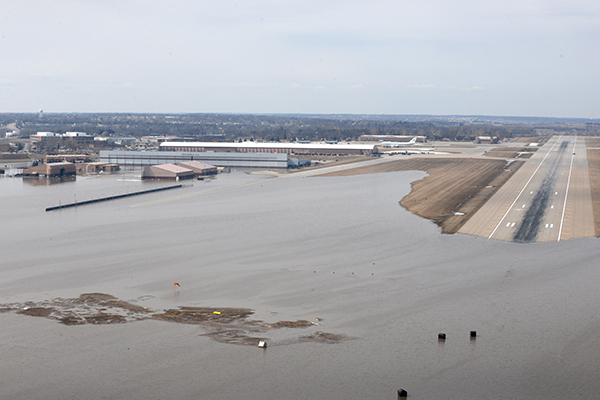
Improving Flood Vulnerability Maps
A research project carried out at the Air Force Institute of Technology sought to develop more accurate flood vulnerability indices through an approach that combined spatial and meteorological data, informed by local engineers.