
Committee Mission
The SAME Membership Committee develops and communicates to all Posts the strategies, best practices, and tools that are most effective for them to grow their membership, to foster greater member engagement and leadership, and to enhance their members’ experience with SAME, further enabling each Post to support the current Strategic Plan of the Society.
Join the SAME Engage Membership NetworkOverview
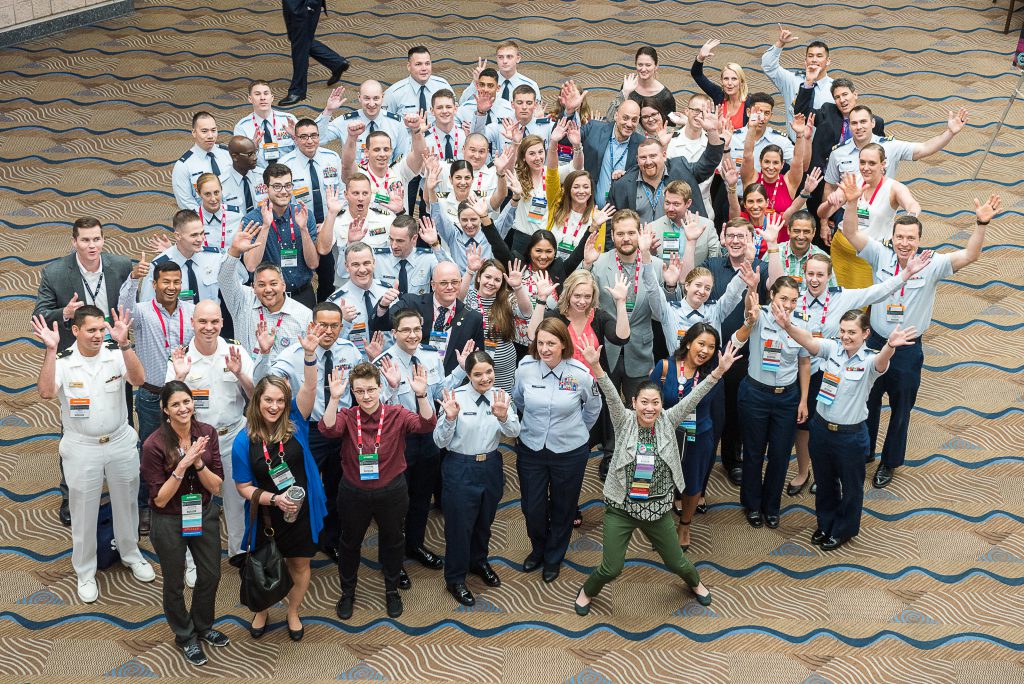
As one of the “operational” Communities of Interest (vs. “technical” COIs), the Membership Committee serves as an extension of the national office staff to assist all Post leaders, especially Posts’ Membership Chairs/POCs, with the tools, resources and connections necessary to help enhance their members’ society experience through their locally relevant Posts. Between our COI members and the post membership chairs/POCs, invited to our calls and sponsored webinars, we are over 140 people strong across SAME.
SAME’s Membership Committee is open to any SAME member to participate. Unlike many of our other COIs that focus in on special professional and technical interest areas important to SAME members, the Membership COI provides participants with a broad-ranging opportunity to become involved at the national level. Our forum has the potential to positively impact the experience of every current and future member of the society as it pursues its strategic goals.
COI Objectives
- Provide opportunities to foster connections with other Post leaders across all sizes and post geographies
- Engage with best practices employed at other Posts by their leaders and members
- Share creative tools and resources aimed at improving post level retention and recruitment successes

Committee Chair
Lee Ann Zelesnikar, F.SAME
Organization Structure
Vice Chair, Tools & Resources: Dick Kochanek
Vice Chair, Strategic Direction: Shante Fields
Vice Chair, Communications: Summer Gladden, F.SAME
Staff Liaison: Jill Murphy
Webinar: Understanding the New Membership Structure
Military Membership – What’s in it for You?
Upcoming National Webinars

Related TME Articles – Membership
-

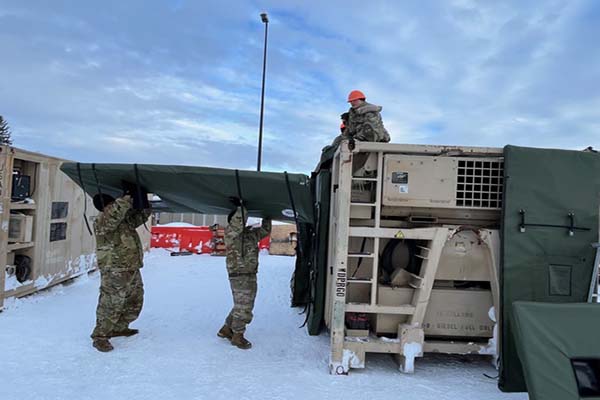
Augmenting Combat Feeding Systems for Extreme Cold
To counter the risk of equipment failure in cold-weather environments, researchers with the U.S. Army partnered with industry to develop an insulation technology that could augment existing feeding systems, serving to enhance warfighter resilience and reduce fuel consumption. -
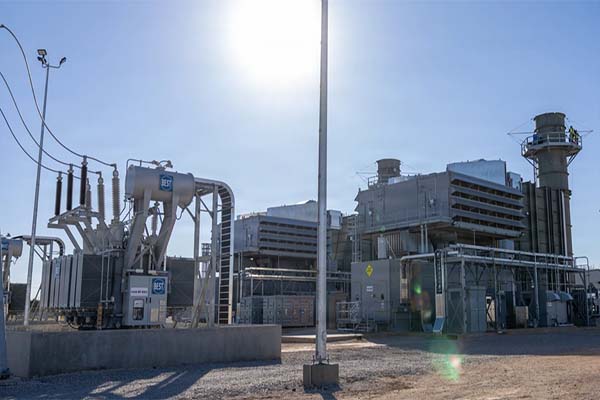
Smarter Resilience Through Unified Data
The Air Force Office of Energy Assurance is investing in efforts to increase the energy resilience of facilities across the enterprise while improving the accuracy and expediency of decision-making through a refresh of the Resilient Energy Assessment Framework. -
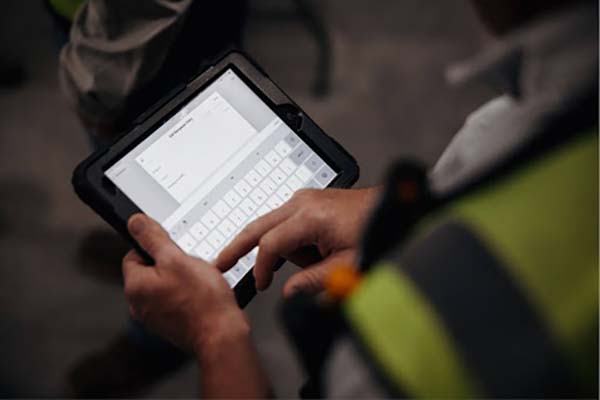
From Obligation Pressures to Mission Readiness: Rethinking Project Delivery in Defense Programs
Looking Forward presented by Procore. The next evolution in project delivery is the expansion from a system of record to a system of intelligence and collaboration where the value of centralized data is amplified through near real-time visibility and connected workflows. Leaders can move beyond static reporting and begin to understand what is happening across the portfolio as it unfolds. -
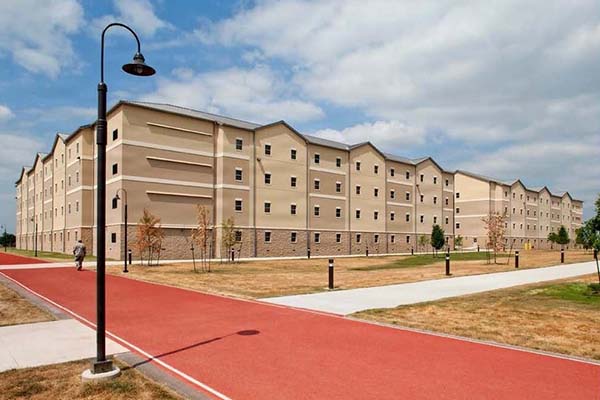
Leveraging SBIR/STTR in San Antonio, and Beyond
A dormitory maintenance solution created for Joint Base San Antonio demonstrates how projects developed through the unique federal funding mechanisms of Small Business Innovation Research and Small Business Technology Transfer can accelerate innovation across the military enterprise.