Community Mission
The SAME Resilience Community of Interest directly supports the goals of the 2030 SAME Strategic Plan to develop people, drive partnerships, deliver solutions. These efforts are conducted through support to Posts at the local level and as national initiatives that contribute to government and private sector collaboration, helping to minimize the impacts of natural and man-made threats and to enhance effective response and recovery to these dynamic events.
Resilience COI Objectives
- Leverage local, regional, national, and international partnerships to educate and train members and stakeholders on infrastructure risks, mitigation efforts, and joint response strategies to natural and man-made events.
- Utilize SAME’s multidisciplinary network to connect and educate stakeholders on new and existing technologies and to develop solutions to problems across critical infrastructure sectors.
- Promote partnerships and collaboration supporting the needs of military installations in pursuit of mission assurance and readiness (such as energy, water, and industrial control system cyber security).
- Utilize SAME’s national relationships and local Posts to furnish vertical collaboration between all levels of government and private business.
- Lead collaboration to advocate for streamlined acquisition and implementation of resilience solutions.

Community Chair
Past Chair Immediate: Col. Patrick Hogeboom, F.SAME
Vice Chair/Chair Elect: Jasper Cooke, WSP
Vice Chair Communications: Caroline Manik, CDM Smith
Vice Chair Cyber Resilience: Lori Jackson, White Raven Security
Vice Chair Emergency Management: Jasper Cooke, WSP
Vice Chair Physical Infrastructure Resilience (Built Environment): Get Moy, AECOM
Vice Chair Nature Based Solutions: Dr. Garret Wolf, Marstel-Day, LLC
Vice Chair Technology and Innovation: Matt Stahl, Pape Dawson
Vice Chair National IGEs: Vacant
SAME National Office POC: Kimberly Hotz
Industry Government Engagement (IGE)
Cybersecurity: Lucian Niemeyer, Building Cyber Security
Artificial Intelligence: Victoria Mechtly, GFT
Installation of the Future: Get Moy, AECOM
Read more about these IGE projects hereWorking Group
Artificial Intelligence and the Chair: Pooja Jain, Innov8 Consulting LLC
Need support for a Post meeting or event related to resilience? Contact Caroline Manik for assistance from the Resilience COI for ideas, presentations, or speakers.
Featured Resilience Webinar
Upcoming National Webinars
-

- Webinar
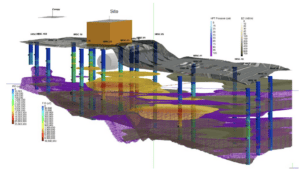
The Latest in HRSC: Real-Time Data and Remedial Alternatives
The process of High-Resolution Site Characterization (HRSC) continues to evolve, giving environmental professionals faster, more defensible ways to understand and remediate contaminated sites. -

- Webinar
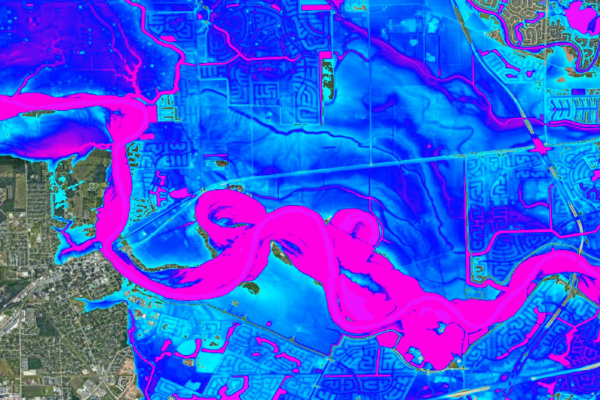
How Global Flood Data Drives Infrastructure Resilience and Emergency Management
Utilizing physics-based 2D hydraulic modeling and climate-conditioned flood datasets can deliver actionable and scalable risk intelligence for infrastructure resilience and emergency management
Related TME Articles – Resilience
-
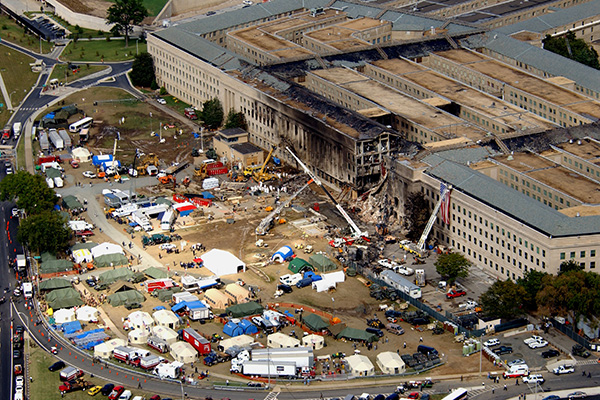
ENGINEERS IN CRISIS: The 9/11 Pentagon Response
When a hijacked Flight 77 crashed into the Pentagon on the morning of Sept. 11, 2001, a specially trained military engineering unit based at Fort Belvoir was among the first groups to respond—and its adaptive readiness and selfless service epitomize the legacy of all who swear to “honor and defend the Constitution of the United States against all enemies foreign and domestic.” -
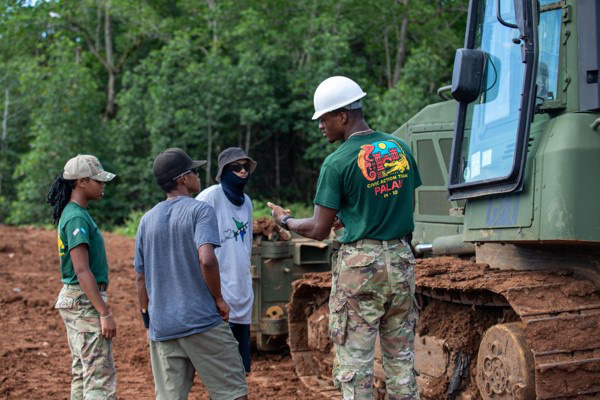
Engineering Diplomacy in Palau
As part of a recent deployment to the Republic of Palau, the U.S. Army’s Civic Action Team 84-10 completed a series of community-focused engineering projects that not only delivered critical infrastructure support but strengthened trust and host-nation relationships in an important strategic area of the globe. -
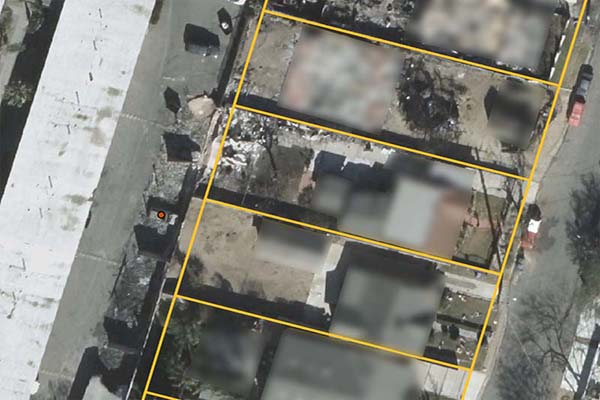
Scaling AI to Support Wildfire Debris Recovery
To support debris removal operations following the 2025 Los Angeles wildfires, an AI-assisted approach initially used as part of wildfire recovery efforts in Maui was scaled up for parcel-level vehicle detection across a larger, more complex debris removal environment. -
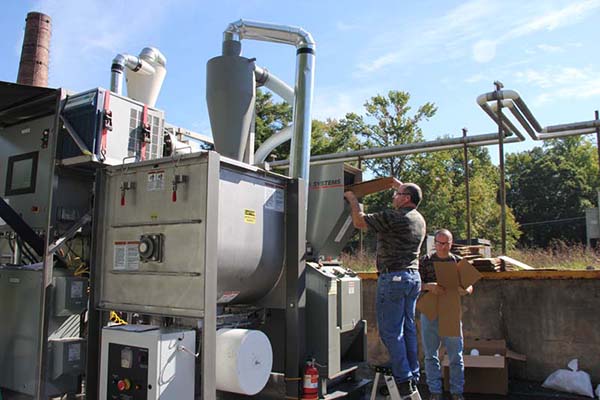
Mapping a Smarter Waste to Energy Future
The Waste to Energy Geographical Information System Gap Analysis Tool provides a better way to visualize potential waste-to-energy conversion opportunities for military bases—offering increased security, reliability, and resilience. -
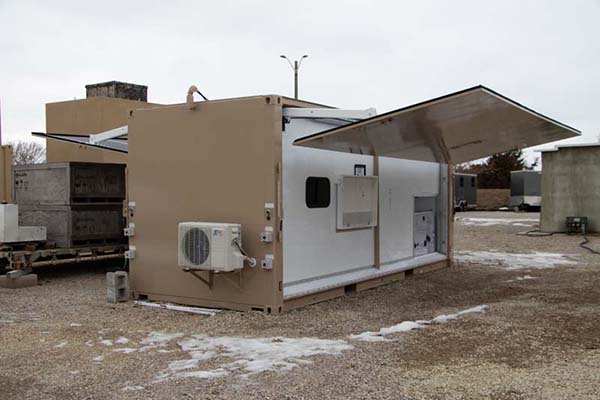
Developing Resiliency Through Hydrogen-Based Energy Systems
The U.S. Army’s Hydrogen Energy Research Operation is leading the development of hydrogen production, storage, and fuel cell technologies to improve installation resilience and support critical mission requirements. -
Engineering a Decisive Advantage Through Geospatial Technologies
As geospatial capabilities evolve and usability grows, military engineers are achieving a decisive advantage by integrating these technologies into a unified system that supports more informed and effective decision-making. -
Intelligent Controls for Mission-Ready Infrastructure
Implementing smart building controls can provide greater operational visibility, proactive maintenance, and stronger resilience for federal facilities in real time. -
Speeding Up Federal Facilities Through Alternative Authorities
With acceleration to completion becoming the foremost priority of federal acquisition, mechanisms beyond FAR-based procurement are increasingly seeing use across the sector—offering capabilities to unlock private capital, accelerate timelines, and reignite stalled projects. -
Generating Resiliency: Protecting Federal Electrical Infrastructure
As storm-related damages, flooding, and sea level rise threaten the operations of military facilities, greater investment in resilient electrical infrastructure and proactive mitigation measures can reduce risk and enhance readiness.
SAME Strategic Partners – Resilience


I am proud of the Omaha Post, its leadership, and volunteerism. Within three hours of issuing a call we were able to field a group of engineers to support NEMA in the Platte River flood response, and in the coming hours and days were joined by additional engineers and over a dozen more offers of assistance. Importantly, our opportunity to assist highlights the unique role SAME Posts can play in strengthening resilience throughout our communities.
Brec Wilshusen, P.E., F.SAME, Member, Omaha Post and SAME Resilience COI